CategoriesTips & Tricks

Which duck hunting blinds keep you hidden best

You want to disappear from a duck’s view. Pop-up blinds make that easy since you can move them fast. Many hunters also trust fabric, plastic, and hybrid duck hunting blinds for their ability to blend in. Each style hides you differently, so picking the right one matters for your hunt.

Key Takeaways

  • Pick layout blinds if you want to stay low and move easily. They hide well in fields and keep you out of sight.
  • A-frame blinds work well when hunting with friends. They are comfortable and can be used in many ways, but you must cover them well in open spots.
  • Natural blinds use things you find around you for the best hiding. They do not cost much and help you change fast when you need to.

Duck Hunting Blinds Comparison

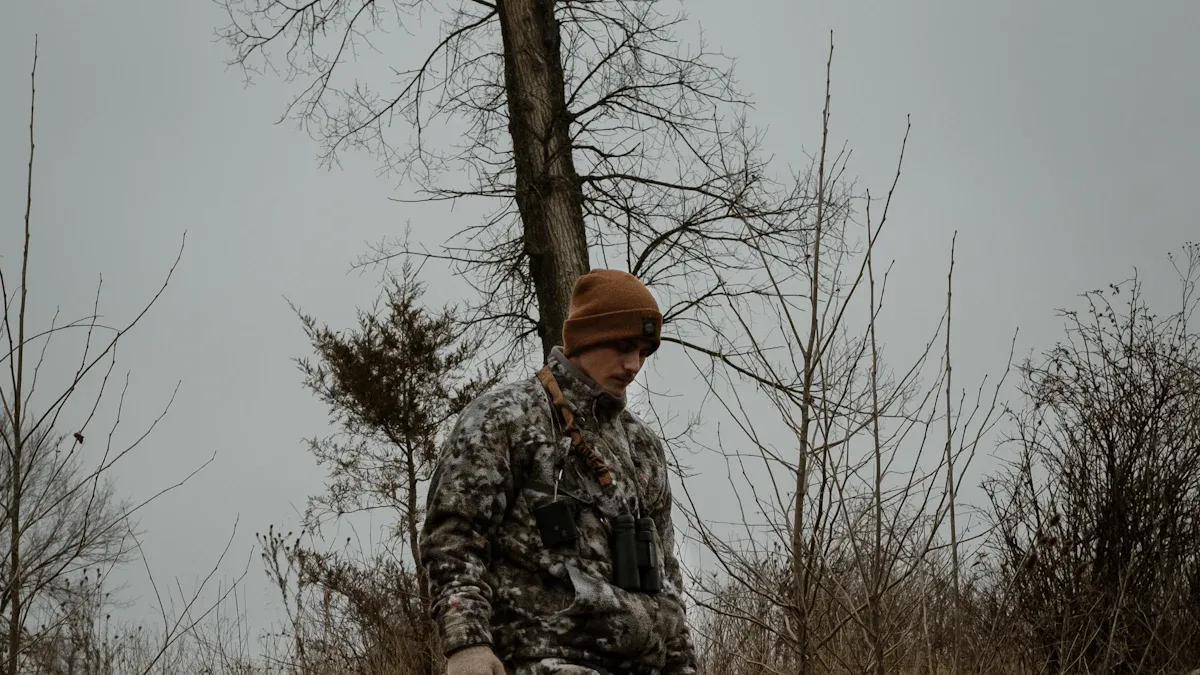
Duck Hunting Blinds Comparison
Image Source: pexels

Layout Blinds

Layout blinds keep you low to the ground and out of sight. You can set them up in open fields, marshes, or even along shorelines. These blinds work best when you want to blend in with short grass, stubble, or crop fields. You just lie down inside, pull the cover over, and wait for ducks to come close.

Some top layout blind models include the Lucky Duck Goose Chair Combo and the Xtreme Ghillie Layout Blind. The Lucky Duck model gives you a padded seat, mesh hood cover, and even shoulder straps for easy carrying. The Xtreme Ghillie stands out with its interchangeable covers and stubble straps, so you can add local grass or brush for better camouflage.

Brand/Model Key Features Price Range
Lucky Duck Goose Chair Combo Oversized shell, padded seat, mesh hood, easy transport $200-$300
Xtreme Ghillie Layout Blind Ghillie covers, stubble straps, low profile, quick setup $250-$350
Banded/Avery Rust-proof frame, quick setup, stubble straps $320
Heavy Hauler Lightweight, compact, easy to hide, quick setup $180

Layout blinds offer some of the best concealment because they sit so low and let you blend right into the field. You can add grass, cornstalks, or whatever is around to make them disappear. If you want to stay hidden and mobile, layout blinds are a smart pick.

A-Frame Blinds

A-frame blinds look like small tents with open tops. You can set them up almost anywhere, even in open fields with little cover. These blinds work well for group hunts because you and your friends can sit side by side. You get to talk quietly and watch the sky together.

A-frame blinds like the Rig ‘Em Right Panel Blind and Dakota Decoy Company’s A-frame offer features such as adjustable gun rests, stubble straps, and viewing screens. The Rig ‘Em Right model is affordable and easy to set up, while the Dakota Decoy version has a sturdy one-piece frame and camo tops.

Brand/Model Key Features Price Range
Rig ‘Em Right Panel Blind Crossbar design, adjustable gun rests, stubble straps, storage pockets $360
Dakota Decoy Company One-piece frame, canvas covers, viewing screen, dog door, camo tops $800
Lucky Duck Durable frame, adjustable length, storage pockets $600

Tip: A-frame blinds shine when you have tall grass or vertical cover. If you hunt with a group, these blinds help everyone stay hidden together.

A-frame blinds can be more visible than layout blinds, especially in open fields. You need to brush them in well with local vegetation. Still, their adaptability and comfort make them a favorite for many hunters.

Pit Blinds

Pit blinds sit below ground level. You climb down inside, and only your head and shoulders peek out. This design gives you excellent concealment because ducks flying overhead can’t see you. Pit blinds also protect you from wind and cold, which is great during long hunts.

Many pit blinds, like those from Concealed Comfort Pits or custom-built models, use heavy steel for durability and have large access doors. These blinds cost more and are less portable, but they last for years and work well for permanent setups.

Feature Pit Blinds
Concealment Excellent—below ground, nearly invisible
Comfort High—protected from wind and weather
Portability Low—usually permanent or semi-permanent
Price Range $1,000 and up (custom models can be $3,000+)
User Satisfaction High for groups and frequent hunters

Pit blinds work best in fields or along water edges where you can dig in. If ducks get wary from hunting pressure, pit blinds help you stay hidden and successful.

Natural and Brush Blinds

Natural and brush blinds use what’s already around you—branches, grass, reeds, or even driftwood. You build your blind right in the marsh or woods. This style gives you the best chance to blend in because you match the environment perfectly.

Here’s how you can make your natural blind more effective:

  1. Match your camo pattern to the surroundings.
  2. Brush in your blind with local materials.
  3. Control your scent with sprays and soaps.
  4. Pick a spot near feeding zones or water.
  5. Use trees, rocks, or bushes for extra cover.
  6. Set up quickly and quietly.

Natural blinds cost almost nothing if you use what you find. They work best in marshes, woodlands, or anywhere with lots of natural cover. You can also use portable blinds like Camo Unlimited, which are lightweight and easy to brush in.

Brand/Model Key Features Price Range
Camo Unlimited Collapsible, UV treated, waterproof, spacious $100
Cupped Waterfowl Ultralight, compact, backpack straps $120

Natural blinds let you adapt to changing conditions. If ducks move, you can move too.

Duck Hunting Blind Price and Feature Chart

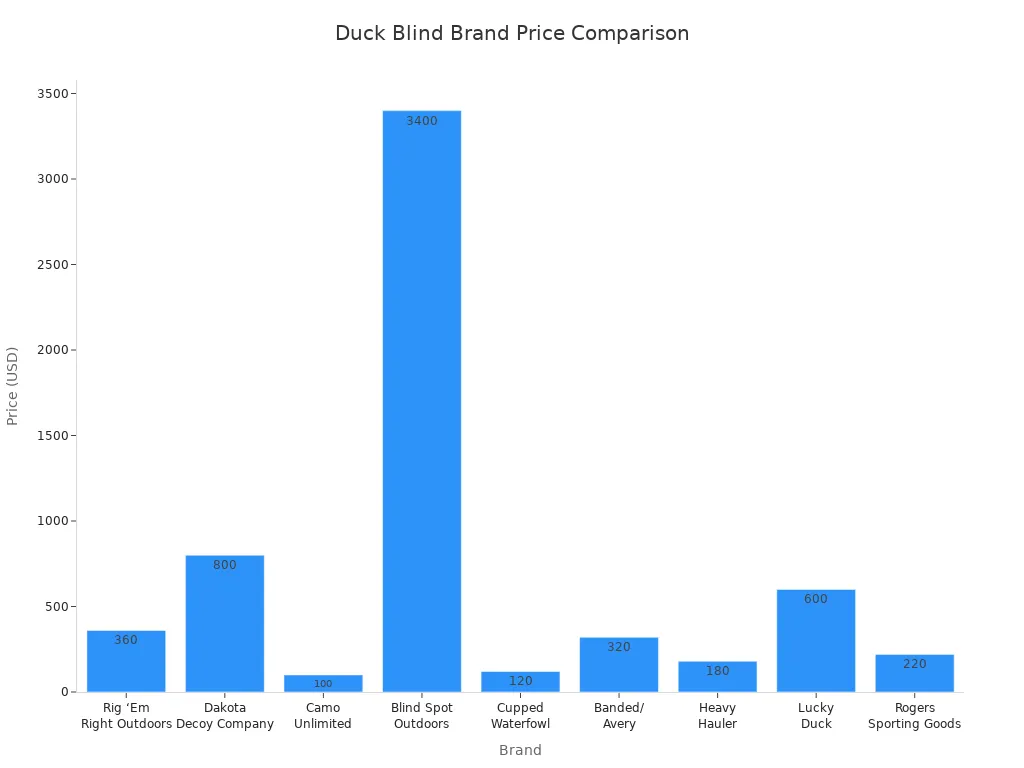
Bar chart comparing price ranges of top duck hunting blind brands

When you compare duck hunting blinds, think about where you hunt, how many people join you, and how much you want to spend. Layout blinds give you low profiles and easy movement. A-frame blinds work for groups and open fields. Pit blinds offer top concealment but need a permanent spot. Natural and brush blinds let you blend in anywhere, often for less money.

Key Concealment Features

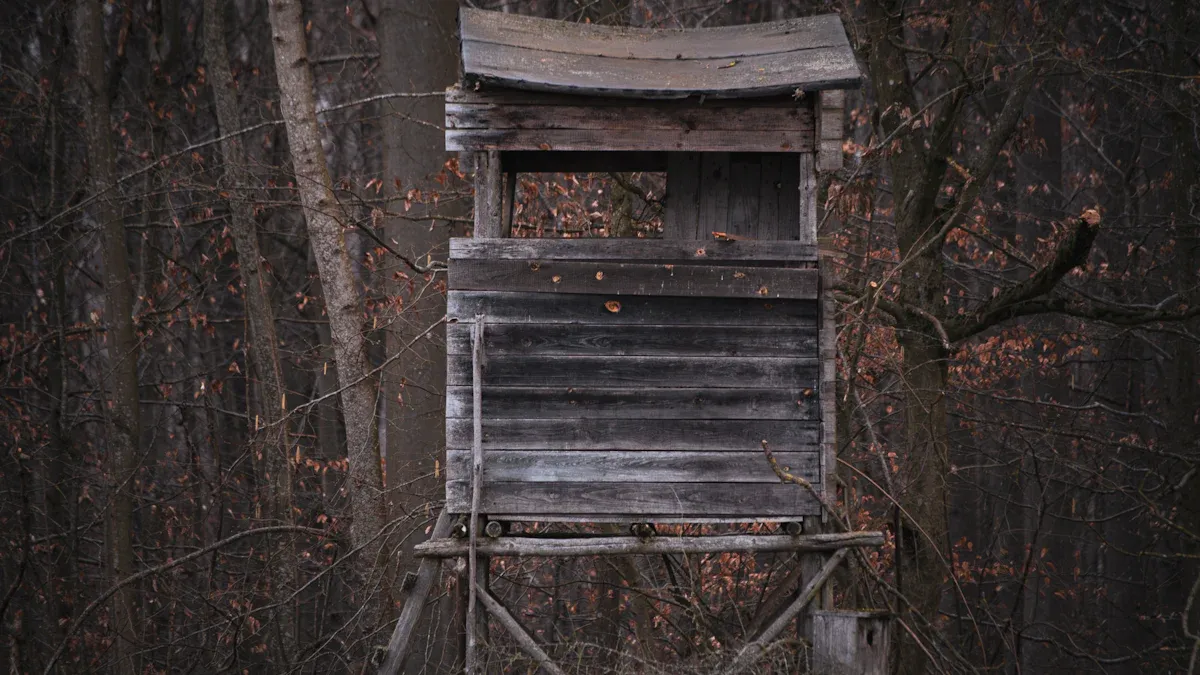
Key Concealment Features
Image Source: unsplash

Camouflage Materials

You want your blind to look like part of the landscape. The best camo patterns, like Duck Blind camo, use real dirt colors and add details like millet and corn stalks. This helps you blend into marshes, fields, or riverbanks. Some duck hunting blinds, such as layout blinds, come in patterns for corn stubble or even white for snowy days. You can also add local grass or reeds to your blind for a 3-D effect. Ghillie covers and brush blinds let you use natural materials, making your setup almost invisible to ducks.

Tip: Freshly cut vegetation keeps its natural look and UV properties, so ducks have a harder time spotting you.

Placement and Setup

Where you put your blind matters as much as how it looks. Ducks have sharp eyes and spot movement from far away. Place your blind in a natural dip or along a line of brush to break up its outline. Use shadows to your advantage by setting up in shaded spots. Always cover the top of your blind, so ducks flying overhead do not see you. Hide your face, hands, and gear to avoid shiny spots that catch a bird’s eye.

  • Use natural materials that match your surroundings.
  • Align your blind with the landscape for a seamless look.
  • Stay still and quiet inside your blind.

Adaptability

Conditions change fast in the field. You need a blind that can keep up. Some models, like the Easy-Up Duck Blind and Avery Quick-Set Blind, adjust to fit different boats or land setups. Coffin blinds work well in shallow water and can be dug into mud for extra hiding power. You might need to swap camo covers as the season changes or move your blind to follow the ducks.

Model Features
Easy-Up Duck Blind Quick setup, fits most boats, many camo patterns
Avery Quick-Set Blind Lightweight, adjustable, keeps you dry and warm
Coffin Blinds Can dig in for concealment, great for shallow water

If you hunt in different places, pick a blind that lets you adapt fast. That way, you stay hidden no matter where the ducks go.

Practical Concealment Tips

Blending with Surroundings

You want your blind to look like it belongs in the landscape. Here are some steps to help you blend in better:

  1. Prepare your blind before the hunt. Dull any shiny parts and add local plants or grass.
  2. Use natural materials from the area. Grab sticks, reeds, or leaves to cover your blind.
  3. Wear a face mask and camo gloves. Ducks spot exposed skin fast.
  4. Match your camo pattern to the colors and textures around you.
  5. Set up with the sun at your back. This makes it harder for birds to see you.

Tip: Shadows can help or hurt you. Place your blind where shadows look natural and do not create harsh lines.

Reducing Movement and Noise

Ducks notice movement and strange sounds. You can avoid spooking them by:

  • Moving slowly and only when needed. Pause often and watch your surroundings.
  • Choosing soft, quiet clothes like fleece or wool. Avoid noisy fabrics.
  • Keeping your gear organized. Make sure nothing rattles or clinks.
  • Stepping on soft ground when possible.

Hunters often say that even the best decoys and calls will not help if you move too much or make noise.

Blind Maintenance

A well-kept blind keeps you hidden and ready for action. Use this table to remember key maintenance steps:

Maintenance Practice Description
Periodic Inspections Check the frame, cover, and anchors for damage or wear.
Off-Season Storage Store your blind in a dry place and clean it to stop mold and mildew.
Weatherproofing Use sealants or coatings to protect against rain and snow.
Proper Drainage Make sure water can drain away to avoid weakening the blind’s structure.

Take care of your blind, and it will take care of you in the field.

You want to stay hidden and comfortable. Choose a blind that matches your hunting spot and weather. The Hitman Layout Blind uses tough fabric and stubble straps. The Game Winner Stealth View Hub gives you fast setup and shoot-through mesh. Always blend with your surroundings and use shadows for the best results.

FAQ

What is the easiest duck blind to set up by yourself?

You can set up a layout blind the fastest. Most models pop open in minutes. You just add brush and you are ready to hunt.

How do you keep your blind hidden all season?

Tip: Refresh your camo with local grass every hunt. Check for shiny spots. Move your blind if ducks start to avoid your area.

Can you use a boat blind for field hunting?

Some boat blinds, like the Avery Quick-Set, work on land too. You just remove them from your boat and set them up in the field.

CategoriesTips & Tricks

Step-by-Step Guide to Setting Up Duck Decoy Spreads for All Waterfowl Environments

You set up duck decoy spreads by putting decoys in patterns that bring in waterfowl. Every habitat, like lakes, wetlands, fields, rivers, or ponds, needs a different spread size and shape. You should look at the environment and use tools like a duck hunting tree strap to keep gear organized and stay hidden. If you are new to duck hunting or have hunted for years, learning these setups helps you get better chances for a good hunt.

Key Takeaways

  • Use decoys to make a scene that looks real. Ducks like places that seem natural. Put decoys in ways that look like real duck actions. Leave open spots so ducks have room to land.
  • Change your decoy spread for each place you hunt. Lakes, rivers, and wetlands need different setups. Each habitat works best with its own style.
  • Add motion decoys to help ducks see your spread. Moving decoys catch the eye from far away. Motion makes your setup look more real.
  • Watch the wind when you set up decoys. Ducks like to land facing the wind. Put your decoys so ducks land the way they want.
  • Be ready to change your setup fast. Weather and duck actions can change your hunt. Stay alert and adjust your spread when needed.

Why Decoy Spreads Work

Decoy Purpose in Duck Hunting

You use decoys to make ducks believe that a spot is safe and full of food. Decoys act as a signal to flying ducks that other birds have already found a good place to land. When you set out decoys, you help create a scene that looks natural and inviting. Ducks trust their eyes and look for signs of safety before landing. If your decoy spread looks real, ducks feel more comfortable coming in close.

Tip: Always check your decoy spread from the ducks’ point of view. Move back and look at your setup from a distance. This helps you spot anything that looks unnatural.

How Spreads Attract Waterfowl

Decoy spreads work best when you copy what real ducks do. Scientists have found that ducks respond to spreads that look like natural flocks. You should pay attention to how ducks group together and move on the water. Here are some key points to remember:

  • Mimic natural duck behavior with proper spacing and movement.
  • Arrange decoys so ducks can land into the wind, since they prefer this approach.
  • Use motion decoys to add movement, which draws more attention.
  • Avoid tight clusters; real ducks spread out in uneven patterns.
  • Match your decoy types to the species you want to attract.

Ducks show different behaviors when they see your spread. The table below explains what you might notice:

Behavioral Response Description
Wariness and Caution Ducks avoid tightly packed decoys and need space to feel safe enough to land.
Flaring and Circling Ducks circle or flare away if your spread looks wrong or feels unsafe.
Changes in Behavior Ducks change flight paths and feeding spots based on wind and hunting pressure.

You may also see ducks searching for hidden spots if they feel hunted. Local ducks that have faced hunters before become harder to fool. By watching how ducks react, you can adjust your spread for better results.

Decoy Spread Basics

Types of Decoys

You can choose from several types of duck decoys. Each type works best in certain hunting situations. Some decoys look like feeding ducks, while others show ducks resting or swimming. Using a mix of decoy types can make your spread look more natural.

Here is a table showing common decoy setups and how well they work:

Hunting Scenario Duck Decoy Spread Description Effectiveness Pros/Cons
Field Hunting Simple ‘U’ or ‘J’ shape, facing into the wind Pros: Easy to set up; Cons: Less effective in high-pressure areas
River Hunting Small cluster on calm side of an eddy Pros: Natural presentation; Cons: Limited by river width and current
Open Water with Layout Boats Long line of decoys from the boat Pros: Draws in birds; Cons: Needs more decoys and good anchoring
Lakes and Ponds ‘J’ or ‘C’ shape along the shoreline Pros: Easy to set up; Cons: Wind direction can affect effectiveness

Tip: Use a mix of species in your decoy spread. This can attract more types of ducks and make your setup look real.

Spread Patterns and Sizes

You need to think about how you arrange your decoys. The pattern and size of your spread can change how ducks act when they see it.

  • Large spreads can grab attention, but small spreads often work well early in the season.
  • Ducks like to land into the wind. Place your decoys with your back to the wind to help ducks see them better.
  • Group decoys by species to copy natural feeding groups.
  • The “slot” pattern leaves an open area for ducks to land safely.
  • A “J” pattern acts like a landing strip, guiding ducks to the open spot.
  • Avoid putting decoys too close together. Ducks need space to feel safe.
  • Mixing different species in your spread can bring in more birds.

Note: Early in the season, try using fewer decoys. Ducks are less wary and smaller groups look more natural.

By learning these basics, you can set up decoy spreads that look real and help you bring in more ducks.

Lake Setups

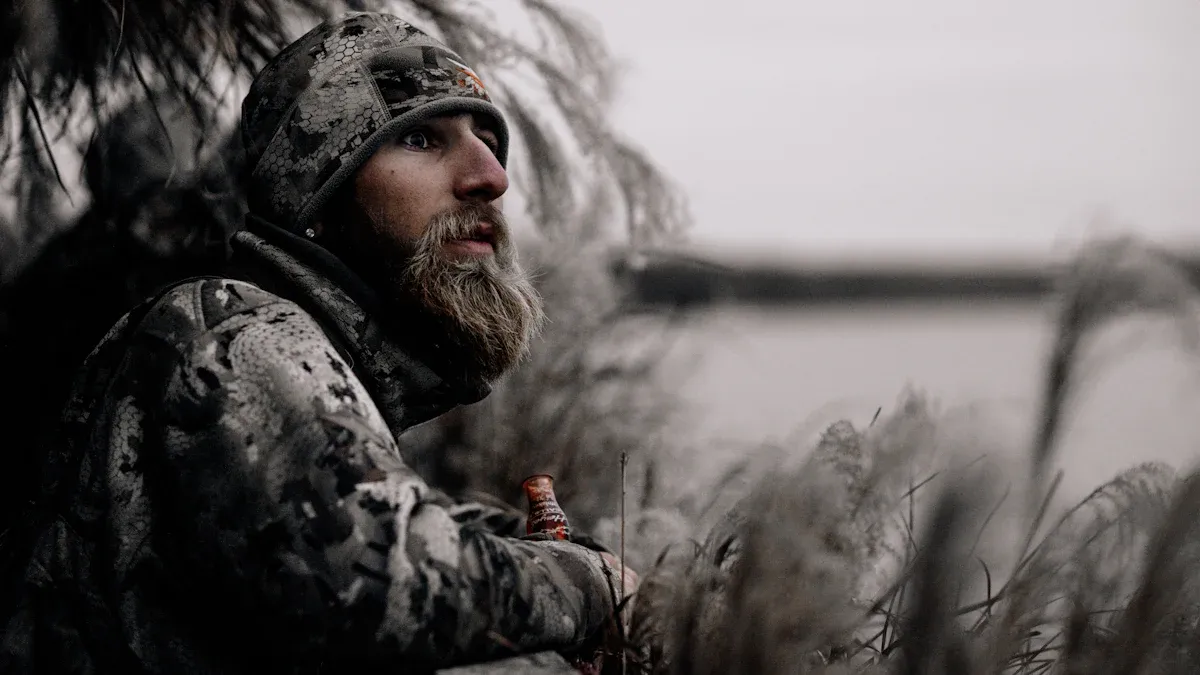
Lake Setups
Image Source: pexels

Lake Spread Setup

When you hunt ducks on a lake, you need to think about the size of the water and the types of ducks you want to attract. Large lakes give you more space, so you should use more decoys. This helps ducks see your spread from far away. Place the wind at your back or slightly to the side. Ducks like to land into the wind, so this setup brings them right to you.

  • Use a simple blind close to the water’s edge.
  • Check the water depth and look for food sources nearby. Ducks want to land where they can feed.
  • In big lakes, set out more decoys. This makes your spread stand out.
  • Add motion decoys to catch the attention of ducks flying high or far away.

If you hunt diving ducks, set two lines of decoys upwind. Space them about 8 to 10 feet apart. Place another pair of lines downwind, angled out a bit. In front of your blind, make a group of 12 to 16 decoys. This looks like ducks feeding together.

Tip: Use bright and visible decoys like canvasbacks or pintails in large lakes. These species help attract ducks from a distance.

Lake Spread Patterns

The way you arrange your decoys matters. Ducks look for safe landing spots, so you need to leave open water in your spread. The wind direction shapes your pattern.

  • With a straight wind, put half your decoys on the left and half on the right. Leave a gap of 10 to 15 yards in the middle. This open space gives ducks a place to land.
  • In a crosswind, place more decoys on the upwind side. Keep the downwind side lighter. This guides ducks to land where you want them.
  • Try using a hen decoy in the center and a spinning wing decoy a few feet behind it. This setup draws attention and makes your spread look lively.
  • Cover about thirty yards wide and ten yards out from shore. Use around three dozen decoys for a strong presence.

Common patterns for lakes include the “J,” “U,” and “V” shapes. These patterns help guide ducks into your landing zone. You should stay flexible. If ducks do not respond, change your pattern during the hunt.

Pattern Shape Best Use Case Key Feature
J Straight or light wind Guides ducks to open landing slot
U Variable wind Wide landing area in the middle
V Strong crosswind Funnels ducks to the point of the V

Note: Always watch how ducks react. If they avoid your spread, move decoys or change the pattern.

Wind and Weather Tips

Wind and weather change how ducks behave on lakes. You need to adjust your spread to match the conditions.

  • On windless days, ducks may act unsure. Move your decoys in front of the blind to attract birds from all directions.
  • Sunny days make spinning wing decoys stand out. Use them to catch the eye of passing ducks.
  • Calm days need decoys that create ripples or movement on the water. This makes your spread look alive.
  • Overcast or windy days work better with regular decoys. Too much flash can scare ducks when the sky is gray or the wind is strong.

Pro Tip: Stay ready to change your setup if the wind shifts or the weather changes. Ducks notice small details, so small adjustments can make a big difference.

By matching your decoy spread to the lake, wind, and weather, you help ducks feel safe and welcome. This gives you a better chance for a successful hunt.

Wetland Setups

Wetland Spread Setup

Wetlands offer some of the best duck hunting opportunities. You need to set up your decoy spread to match the natural look of these areas. Start by scouting the wetland. Look for where ducks gather and what species visit most often. This helps you decide how many decoys to use and which types work best.

Follow these steps for a successful wetland decoy spread:

  1. Identify the duck species in your area and choose the right number of decoys. Use your scouting notes to guide you.
  2. Pick the right time in the season. Early season ducks act differently than late season birds.
  3. Plan how you will carry your decoys and gear. Wetlands can be muddy or thick with brush, so pack light.
  4. Place your decoys in a random, natural pattern. Avoid shapes like “J,” “C,” or “U.” Ducks in wetlands do not group in perfect lines.
  5. Leave an open hole in the spread, upwind of your position. This gives ducks a safe place to land.
  6. Use small spreads of 12 to 18 decoys. Oversized decoys help ducks see your spread from a distance.
  7. If you hunt a tiny beaver pond or a tight spot, you can use as few as 3 to 4 decoys.

Tip: Always leave open water in your spread. Ducks want a clear landing zone.

Blending with Cover

Wetlands have thick grass, reeds, and brush. You need to blend in with this natural cover. Set up your blind or hide behind tall grass. Use branches, cattails, or mud to break up your outline. Place your decoys close to patches of cover, but keep the landing hole open.

  • Wear camo that matches the wetland plants.
  • Avoid shiny gear or bright colors.
  • Stay still and keep your face hidden when ducks approach.

Ducks spot movement and unnatural shapes quickly. The better you blend in, the closer ducks will land.

Water Depth Tips

Water depth changes how you place your decoys. In wetlands, shallow water between 2 and 6 feet works best for compact spreads. Ducks feel safer landing in these spots. If you hunt in deeper water, use more decoys to help ducks see your spread. In very shallow water, less than 1 foot deep, make sure your decoy anchors are short so they sit right on the surface.

  • Shallow water (2-6 feet): Use small, tight spreads.
  • Deep water: Increase decoy numbers for visibility.
  • Very shallow water (<1 foot): Adjust anchor lines to keep decoys upright.

Note: Always check water depth before setting out decoys. This helps you avoid tangled lines and keeps your spread looking natural.

Using a Duck Hunting Tree Strap

Staying organized in wetlands can be tough. Mud, water, and thick brush make it easy to lose gear. A duck hunting tree strap helps you keep everything in reach and hidden from ducks. You can hang your calls, shells, and even your shotgun on the strap. This keeps your hands free and your gear dry.

Here is a table showing the main benefits of using a duck hunting tree strap in wetlands:

Feature Description
Mobility Lets you move quickly and easily through thick cover.
Stealth Low-profile design helps you stay hidden from ducks.
Efficiency Keeps gear secure and easy to grab for fast shots.
Waterproof Organization Made with waterproof fabric to protect gear in wet conditions.
Concealment Front panel opens flat against the tree for better hiding.
Gear Accessibility Carabiner gun hook and pouches keep gear ready at all times.
Lightweight Easy to carry, even in muddy or flooded areas.
Weather-resistant Keeps your equipment dry and safe from the elements.

Pro Tip: Hang your calls and shells on the tree strap so you do not have to dig through your bag when ducks are flying in.

A duck hunting tree strap makes your hunt smoother and helps you stay focused. You spend less time searching for gear and more time watching for ducks.

Field Setups

Field Setups
Image Source: pexels

Field Spread Setup

Field hunting gives you a wide, open space to attract ducks. You want your decoy spread to look like a real flock feeding or resting. Professional guides suggest that you focus on realistic positioning and varied postures. Instead of using a huge number of decoys, try smaller, tighter clusters. This looks more natural to ducks that have seen many spreads before. Mixing different species in your spread also helps create a convincing scene.

  1. Create multiple landing zones by leaving open slots in your spread.
  2. Space out decoy groups so ducks have room to land.
  3. Use natural features like dips or grassy patches to form clusters.

Tip: Smaller spreads often work better in fields, especially when ducks act wary.

  • Reduce decoy numbers to avoid intimidating ducks.
  • Vary decoy types and positions to keep the spread fresh.
  • Try different angles and positions to see what works best.

Motion and Full-Body Decoys

Motion and full-body decoys make your field spread come alive. Ducks notice movement from far away, especially in open fields. Use a mix of motion decoys, like spinning-wing models, to catch attention. Place these decoys where they are easy to see. Combine them with realistic full-body decoys for the best effect.

Evidence Description Key Points
Motion decoys attract ducks from a distance Spinning-wing and moving decoys act as beacons, drawing ducks in.
Combination with static decoys Mixing motion and static decoys creates a lively, natural-looking spread.
  • Motion decoys mimic real duck movements.
  • They create flashes and ripples, especially useful in low light.
  • Adding motion decoys can boost your success rate.

Wind and Sun Positioning

Wind and sun play a big role in how ducks approach your spread. Set up with the wind at your back. Ducks like to land into the wind, so this brings them right in front of you. Always leave an open space for ducks to land. Place motorized decoys where sunlight can hit them, making them more visible.

  • Keep the sun out of your eyes and avoid facing your blind into the sun.
  • If the sun makes it hard to see, move your position.
  • Ducks usually come from downwind, so set your blind accordingly.
  • Change your decoy placement if ducks do not respond as expected.

Note: Adjust your setup for wind and sun every hunt. Small changes can make a big difference in your results.

River Setups

River Spread Setup

River hunting challenges you to match your decoy spread to the river’s size and current. You need to pick a setup that fits both the width and the speed of the water. Use the table below to help you choose the right spread for your river spot:

River Type Current Strength Recommended Setup
Small Rivers Low to Moderate 1. River Sandbar Funneler: 18 mallard decoys, blocking pattern, blend with natural cover.
2. Flooded Pasture Lane: Mixed spread of 18 decoys, layout blinds, wind-powered wing spinners.
3. Green Timber Horseshoe: 24 mallard decoys, horseshoe pattern, jerk string for movement.
Large Rivers High 1. Open Water Big Rig: 200-400 decoys, circular pattern, landing zones, floating blind.
2. Multi-Rig River Duck Decoy Spread: 8-12 decoys on a mother line, staggered deployment.
3. Big-River Combination Spread: Pods of duck and goose decoys, resting and feeding positions.

You should always blend your spread with natural cover along the bank. Place your blind where ducks can see your decoys from the air. Use more decoys on big rivers to stand out, but keep spreads smaller and tighter on narrow streams.

Dealing with Current

River currents can move your decoys out of place. You need to secure them so they stay where you want. Here are some smart strategies:

Strategy Description
Heavy Anchors Use parachute cord and concrete anchors to keep decoys steady in strong currents and wind.
Monitoring Water Levels Watch for rising water or floating debris that could scatter your decoys.
Quick Pickup System Attach snap swivels to decoy lines for fast, tangle-free retrieval and easy adjustments.

Tip: Always check your decoys after a change in water level or weather. Quick adjustments keep your spread looking natural.

Creating Rafts

Ducks often gather in tight groups, called rafts, on rivers. You can copy this behavior to make your spread look real. Try these techniques:

  • Group decoys in tight clusters to mimic natural rafts of diver ducks.
  • Set up long lines of about 12 decoys stretching from a central group.
  • Use a Decoy Raft™ to hold 12-20 decoys together, making setup and pickup much easier.

You make your spread more attractive by copying how real ducks raft together. This draws in passing flocks and gives you a better shot at success.

Pond Setups

Pond Spread Setup

You can make a small pond look inviting to ducks by using smart decoy patterns. On ponds, you do not need a large number of decoys. Focus on how you arrange them. Place half your decoys on each side of the pond to create a clear landing gap in the middle. This split spread gives ducks a safe place to land. In tight spots, try an open circle pattern. Ducks see the open water in the center and feel safe landing there. If ducks act wary, use a J-hook spread. This pattern controls where ducks land and keeps them away from your blind.

Professional guides say that realistic decoy positions and different postures matter more than having lots of decoys. In late season, use fewer decoys to look natural. This can help you fool ducks that have seen many spreads.

  • Create more than one landing zone by dividing your decoys into main and secondary slots.
  • Change your slot patterns if you notice hunting pressure. Use fewer decoys and mix up the types.
  • Add motion decoys to make your spread look alive and attract more ducks.
  1. Place motion decoys at the edges of your landing slots.
  2. Mix static and motion decoys for a balanced, lifelike spread.

Small Water Attraction

Small ponds can pull in ducks if you use the right strategies. You should scout for spots where ducks gather, like small depressions or hidden corners. Use up to two dozen decoys, including floaters and full-body types along bare banks. Call sparingly. If ducks want to land, they will come in without much calling. Hide well by using layout blinds covered with local plants and wear full camouflage. Hunt these ponds only once in a while. Ducks get wary if you hunt the same spot too often. Clear days with a north wind often bring the best results.

Strategy Type Description
Scouting Techniques Watch for small groups of ducks disappearing into hidden spots.
Decoy Setup Use no more than 24 decoys, mixing floaters and full-bodies.
Calling Methods Call less; let the ducks come if they want.
Concealment Techniques Use layout blinds and local plants for cover.
Timing and Pressure Hunt sparingly; best on clear, north wind days.

Confidence Decoys

Confidence decoys help make your pond spread look safe and natural. Ducks trust places where they see other birds. You can use decoys of coots, geese, or swans to boost your spread’s visibility. Canada goose decoys work well because ducks often land near them. Swan decoys stand out and can pull in passing ducks. Coot decoys fit in naturally, as ducks and coots share the same waters. Mixing these species makes your spread look real and helps you attract more ducks.

  • Confidence decoys increase the safety signal for ducks.
  • Mixing species creates a more lifelike scene.
  • Canada goose and swan decoys add visibility.
  • Coot decoys blend in and support your main spread.

Try adding a few confidence decoys next time you hunt a pond. You may see more ducks come in close.

Common Mistakes & Fixes

Overcrowding Decoys

Many hunters make the mistake of placing decoys too close together. When you crowd your decoys, ducks see a tight group and may sense danger. They often avoid landing in the middle and instead land on the edges, making it harder for you to get a good shot. You should always leave a clear landing zone in your spread. This open space invites ducks to land where you want them.

Common overcrowding mistakes:

  • Setting decoys too close together
  • Failing to leave a landing zone
  • Using shiny or unnatural-looking decoys

Tip: Use hooked or “J” shaped spreads to guide ducks into your landing zone. Space your decoys so they look relaxed and natural.

Wind Direction Errors

Wind direction plays a big role in how ducks approach your spread. If you ignore the wind, ducks may not see your decoys or may land out of range. Always set your decoys so they face into the wind. This helps ducks land right in front of you.

How to fix wind direction mistakes:

  1. Check the wind before you set up.
  2. Adjust your decoy lines to match the wind direction.
  3. Use longer lines or upwind/downwind shapes to guide ducks into your landing area.

Ducks prefer to land into the wind. Align your spread to take advantage of this natural behavior.

Adapting to Conditions

Weather and hunting pressure can change how ducks respond to your spread. You need to adjust your setup to match these changes. On snowy days, clear snow off your decoys to keep them looking real. In calm weather, space decoys closer together. When fog rolls in, spread your decoys farther apart and call louder so ducks can find you.

Condition Adjustment Tip
Snow Clear decoys often; use fewer for easy cleaning
Calm wind Place decoys closer; create a wide landing zone
Fog Spread decoys out; call loudly
Changing wind Use an “X” pattern for quick adjustments

Stay alert and ready to change your spread. Small fixes can make a big difference in your hunt.

You get better at hunting when you change decoy spreads for each place. Ducks like big landing zones and real-looking spaces between decoys. Use different patterns and sizes when things change. Make a checklist before each hunt to keep gear neat and bring what you need. This helps you avoid mistakes. Experts say to look for duck spots, watch where they eat, and see how they move. If you plan and pay attention, you can change your setup and have a better chance to get ducks.

FAQ

How many decoys should you use for a beginner spread?

You can start with 12 to 18 decoys. This number works well in most environments. You do not need a large spread to attract ducks. Focus on realistic placement and spacing.

What is the best pattern for windy days?

Try a “J” or “U” pattern. Place the open end facing into the wind. Ducks like to land into the wind, so this setup helps guide them to your landing zone.

Do motion decoys really help?

Yes, motion decoys add movement and catch the attention of flying ducks. You should use them in open areas or on calm days. Motion makes your spread look more natural.

How do you keep decoys from drifting in rivers?

Use heavy anchors and short lines. Check your decoys often. You can tie them to rocks or logs for extra security. This keeps your spread in place even with strong currents.

Add to cart