Is a Leather Rifle Sling Worth It Over Nylon?

Choosing the best overall rifle sling depends on your needs. A leather rifle sling gives you classic style and long-lasting strength. It often feels sturdy and looks great. A nylon rifle sling costs less and resists water and rough use. Many hunters call leather one of the best rifle slings for tradition and comfort. Nylon works well for the best rifle straps in wet or muddy places. You might find the best overall rifle strap by thinking about your own style and how much care you want to give your gear.
Key Takeaways
- Leather rifle slings look classic and last a long time. They slowly fit your body and feel good on long walks. Nylon rifle slings are light and do not get damaged by rain. They are simple to clean and work well in tough places. Both leather and nylon slings need care. Leather needs more work to stay nice, but nylon is easier to clean. Pick a sling that fits what you want. Leather is good for style and comfort. Nylon is good for strength and easy care. Check your sling often for damage. This keeps you safe and helps it work well outside.
Durability
Leather Rifle Sling Longevity
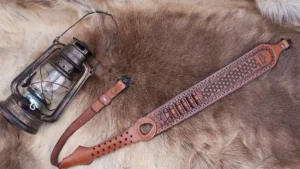
A leather rifle sling stands out for its strength and classic look. You will notice that leather can last for many years if you take care of it. Over time, the leather becomes softer and more comfortable on your shoulder. Many shooters say that a leather rifle sling, like the Our Hunter Sling, actually gets better with age. This happens because the leather molds to your body and becomes more flexible. Padded leather slings also help by spreading the weight of your rifle, making long hikes easier.
- Leather is strong and resists normal wear and tear.
- The material becomes more flexible and comfortable as it ages.
- Padded versions reduce strain during long use.
If you want a sling that can last for decades and even look better as it ages, leather is a smart choice. You do need to clean and condition it to keep it in top shape.
Nylon Sling Durability
A nylon rifle sling offers a different kind of toughness. Nylon is lightweight and does not soak up water, so it works well in rain or mud. You can count on nylon to hold up in harsh weather, making it a favorite for outdoor adventures. Many shooters find that nylon slings, such as the Riflemann sling, stay strong and stable even after years of use.
- Nylon is weather-resistant and dries quickly.
- The material is tough and does not stretch much over time.
- It works well in extreme conditions, like heavy rain or snow.
Nylon slings need little care. You can wash them with soap and water, and they dry fast. This makes them a good pick if you want something easy to maintain.
Wear Resistance
Both leather and nylon slings can show signs of wear, but they do so in different ways. Leather may stretch a bit after years of use. You might see scratches or marks if you use your sling in rough places. Nylon, on the other hand, can last longer if you keep it clean and check for damage.
- Look for frayed stitching on both types.
- Check for loose buckles and worn attachment points.
- Leather protects well against bumps but does not like too much water.
- Nylon resists mold and dries quickly, but too much sun can weaken it.
| Material | Characteristics | Maintenance | Ideal Use Cases |
|---|---|---|---|
| Nylon | Lightweight, flexible, quick-drying, water and mold resistant. Good strength-to-weight ratio | Clean with soap and water; quick-drying. Avoid UV exposure to prevent weakening. | Sports shooters, law enforcement; long carry durations and exposure to moisture. |
| Leather | Durable, aesthetically appealing, natural material. Protects against bumps, but sensitive to water. | Regular conditioning; use leather cleaners for scratches/stains. Store in cool, dry place away from humidity. | Professional settings, events requiring sophistication, minimal harsh element exposure. |
Tip: Always check your sling for signs of wear before heading out. This helps you avoid problems in the field and keeps your gear safe.
When you compare both types, you see that leather offers long-term reliability if you care for it, while nylon gives you resilience in tough environments. Your choice depends on where and how you plan to use your rifle sling, and how much time you want to spend on maintenance.
Comfort & Usability
Weight and Flexibility
When you pick up a rifle, you want a sling that feels light and easy to carry. Nylon slings stand out for their lightweight design. Many shooters like nylon because it does not add much weight to your gear. You can walk long distances without feeling tired. Leather slings weigh a bit more, but they offer a different kind of comfort. The leather molds to your body over time, making it feel softer and more natural. Both materials use padding to help spread the weight of your rifle.
Here is a quick look at comfort features:
| Material | Comfort Features |
|---|---|
| Leather | Molds to the body, reduces pressure points, padding for weight distribution |
| Nylon | Lightweight design, flexible webbing, padding to prevent hotspots |
If you want the best overall rifle strap for long hikes, nylon’s lightweight design may suit you best. Leather works well if you prefer a sling that shapes to your shoulder.
Grip and Stability
A good rifle sling should stay in place while you move. Leather slings grip your shoulder well because the surface is not slippery. This helps keep your rifle steady as you walk or climb. Nylon slings often use textured webbing or rubber strips to improve grip. Some users say padded nylon straps help reduce fatigue and keep the rifle from sliding.
- Leather: Grips well, feels secure on your shoulder.
- Nylon: Lightweight design, uses texture or padding for extra grip.
You can trust both types to hold your rifle steady, but the feel may differ. Try both to see which one gives you the most stable carry.
Adjustability
You need a sling that fits your body and shooting style. Both leather and nylon slings offer ways to adjust the length. Many nylon slings, like the MagPul MS1, let you change the length quickly. This feature helps when you switch from carrying your rifle to aiming it. Leather slings often use buckles or loops for fixed or rapid adjustments.
- Fixed adjustments set a comfortable length.
- Rapid adjustments let you tighten or loosen the sling fast.
- Easily adjustable lengths help you find the best overall rifle strap for your needs.
Tip: Look for a sling with a lightweight design and easy adjustments. This makes your time in the field more comfortable and helps you react quickly.
Style & Looks
Classic Leather Appeal
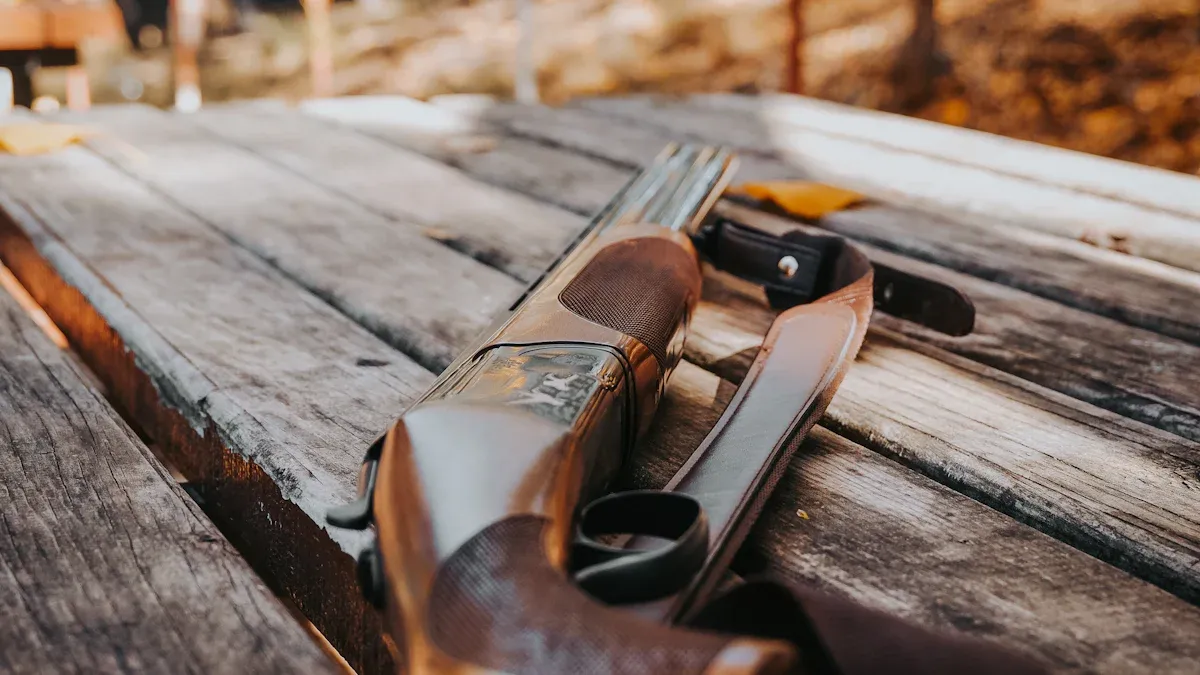
When you look at a leather rifle sling, it looks classic. The leather has a rich color and natural grain. This gives your gear a style that never goes out of fashion. Many shooters pick leather because it feels traditional. It also shapes to your body as you use it. Over time, leather gets softer and feels nicer on your shoulder. Some slings have fancy stitching or special engravings. These details make each leather sling different from others. The table below shows what makes leather designs special:
| Characteristic | Description |
|---|---|
| Comfort and Usability | Leather is soft and bends easily. It shapes to your body and helps stop sore spots. |
| Performance in Different Conditions | Leather slings work in many types of weather. You must care for them to keep them nice. |
| Maintenance Requirements | You need to clean and condition leather often. Keep it away from water and sun to last longer. |
| Aesthetics and Style | Leather looks old-fashioned and can have special designs or stitching. |
| Cost and Value | Expensive leather slings cost more for good materials and custom work. |
Note: Leather rifle slings can become family treasures because they last and look good for years.
Modern Nylon Design
A nylon rifle sling looks modern and different. These slings are made for use and bold style. Many nylon slings come in bright colors or camo. The material is light and strong. You can use nylon slings in rain, snow, or mud. You do not have to worry about them getting ruined. The table below shows the main things about nylon designs:
| Design Element | Description |
|---|---|
| Lightweight Construction | Nylon slings are light, so they are easy to carry. |
| Durability | They are tough and do not wear out fast. |
| Weather Resistance | Nylon slings do not get damaged by water or weather. |
| Aesthetic Options | You can get them in many colors and patterns. |
You can pick a sling that matches your gear or your favorite color. Many shooters like nylon for its cool look and simple care.
Customization Options
You can make your sling special in many ways. Leather slings let you pick hand-dyed colors and basket weave patterns. You can choose brown, black, or saddle tan. Some makers let you add your name with a laser. Nylon slings have choices too. You can get a black edge with a tan middle. You can add a thumb loop or extra padding for comfort. You can also pick hardware in brass, nickel, or brushed nickel.
| Customization Feature | Options |
|---|---|
| Color | Hand Dyed Brown, Hand Dyed Black, Hand Dyed Saddle Tan |
| Finish | Plain, Basket Weave, Hand Tooled |
| Engraving | No Laser Engraving, Laser Engrave a Name (specify in notes) |
| Customization Feature | Options |
|---|---|
| Color | Black border with tan body |
| Add Thumb Loop | $50 |
| Add Padding | $50 |
| Hardware Finish | Brass, Nickel, Brushed Nickel |
Tip: Custom features help you match your sling to your rifle and show your style when you are outside.
Field Performance
Wet Weather Use
You may find yourself outdoors when rain starts to fall. Your rifle sling needs to handle moisture well. Leather slings can absorb water. This can make them stretch or become stiff if you do not dry and condition them. Nylon slings work better in wet or humid places. They resist water and do not break down when soaked. Many shooters choose nylon for its weatherproof performance. Here is how each material reacts to wet weather:
- Leather slings can soak up moisture, which may cause stretching or stiffness.
- Nylon slings resist moisture and stay strong in wet or humid conditions.
You should dry your leather sling after rain. Nylon dries quickly and does not need much care.
Cold Conditions
Cold weather can test your gear. Leather slings may become stiff when temperatures drop. This can make them less comfortable on your shoulder. If you keep your leather sling conditioned, it stays softer in the cold. Nylon slings do not get stiff in low temperatures. They stay flexible and easy to adjust, even when it is freezing outside. You can trust nylon to work well in winter hunts or icy mornings.
Tip: Store your leather sling indoors during winter to keep it in good shape.
Rugged Terrain
Hiking through thick brush or rocky ground puts your sling to the test. Leather slings protect your shoulder from bumps and scrapes. The thick material shields you from sharp edges. Over time, leather may show scratches, but it often looks better with age. Nylon slings handle rough terrain by bending and flexing. They do not tear easily and resist snagging on branches. You can move quickly without worrying about damage.
- Leather gives you padding and classic style in tough places.
- Nylon offers flexibility and toughness for active use.
Both types work in the field, but your choice depends on where you hunt and how much care you want to give your gear.
Care & Maintenance
Leather Sling Upkeep
You want your leather rifle sling to last for years. Regular care keeps the leather strong and looking good. Follow these simple steps to protect your investment:
- Wipe the surface with a slightly damp cloth to remove dirt and grime. Do not soak the leather. Too much water can make it lose shape or become stiff.
- Use a leather conditioner from time to time. This keeps the leather soft and helps prevent cracks.
- Let your sling air dry if it gets wet. Never use a heat source to speed up drying.
Tip: Store your leather sling in a cool, dry place. Avoid direct sunlight and humidity. This helps the leather stay in top condition.
Nylon Sling Care
Nylon slings need less attention than leather. You can clean them quickly and get back to your activities. The table below shows the main care steps for both types of slings:
| Sling Type | Care Requirements |
|---|---|
| Nylon Slings | Inspect for frays or cuts; clean with mild soap/water |
| Leather Slings | Condition regularly; store in a cool, dry place |
Check your nylon sling for frayed edges or cuts. Clean it with mild soap and water when it gets dirty. Nylon dries fast, so you do not have to wait long before using it again.
Long-Term Maintenance
Long-term care helps both leather and nylon slings last longer. For leather, regular conditioning and gentle cleaning keep the material flexible. For nylon, frequent inspections help you spot damage early. Replace any worn parts right away. Both types of slings benefit from proper storage. Keep them away from extreme heat, moisture, and direct sunlight.
Note: Good maintenance means your sling will stay safe and comfortable for many years. A little care goes a long way.
Longevity vs. Price
You want your sling to last. The best rifle slings give you years of use. Leather slings can last for decades if you care for them. Nylon slings last a long time, too, especially in tough weather. You need to think about how much you spend and how long your sling will work.
Here is a table that shows the benefits and best uses for each type:
| Sling Type | Benefits | Best Uses |
|---|---|---|
| Nylon | Affordable, lightweight, highly durable, weatherproof, flexible | Tactical setups, general-purpose AR-15 builds |
| Leather | Comfortable, stylish, extremely durable when maintained properly | Hunting rifles, traditional firearms |
If you want the best overall rifle sling for hunting or classic rifles, leather gives you comfort and style. If you want a sling for tactical use or rough weather, nylon works well and costs less. You get good value from both, but you need to match your choice to your needs.
Note: Leather slings need more care, but they can last longer than nylon. Nylon slings need less care and work well in rain or snow.
Resale and Collectibility
Some shooters like to collect gear. You may want to sell your sling later or keep it as part of a collection. Leather slings often hold their value better than nylon. Collectors like the look and feel of leather. Some brands, like Hunter, sell for $40 on the secondary market. The Rhodesian Sling, made from high-quality bridle leather, can sell for $76. Nylon slings usually do not have the same resale value.
Here is a table comparing resale prices:
| Sling Type | Price |
|---|---|
| Leather (Hunter brand) | $40 |
| Nylon (military style) | Included in the same price as leather |
Collectors value leather for its classic style and comfort. Nylon is chosen for its toughness and weather resistance. Your choice depends on what you want from your gear.
| Material | Advantages | Considerations |
|---|---|---|
| Leather | Classic aesthetic, comfort | May require more maintenance |
| Nylon | Durability, weather resistance | Less traditional appeal |
- Leather slings are favored for their comfort and aesthetic appeal.
- Nylon slings are chosen for their durability and resistance to weather conditions.
- The choice often depends on personal preferences and intended use.
If you want the best rifle slings for collecting or resale, leather is the top choice. If you want the best overall rifle sling for everyday use, nylon gives you great value and easy care.
Tip: Leather slings can become family treasures. Nylon slings are perfect for active use and tough conditions.
You should choose a rifle sling based on your needs. Nylon slings work well if you want lightweight gear and durability in any weather. Leather slings give you a classic look and comfort, but they need more care. If you carry a lightweight rifle or hunt in tough conditions, nylon is a smart pick. Leather suits you if style and long-term use matter most.
- Nylon: Lightweight, strong, easy to maintain.
- Leather: Durable, stylish, comfortable, needs upkeep.
FAQ
Can you use a leather sling in the rain?
You can use a leather sling in light rain. Dry it as soon as possible. Water can damage leather if you leave it wet for too long.
How do you clean a nylon rifle sling?
You clean a nylon sling with mild soap and water. Let it air dry. Check for frayed edges before using it again.
Which sling is better for long hikes?
Nylon slings work best for long hikes. They feel light and dry quickly. You will not need to worry about extra weight or water damage.
Does a leather sling need special care?
You need to condition leather slings regularly. Store them in a cool, dry place. Use leather cleaner for stains or scratches.