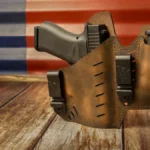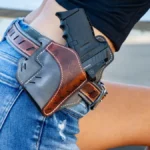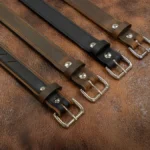
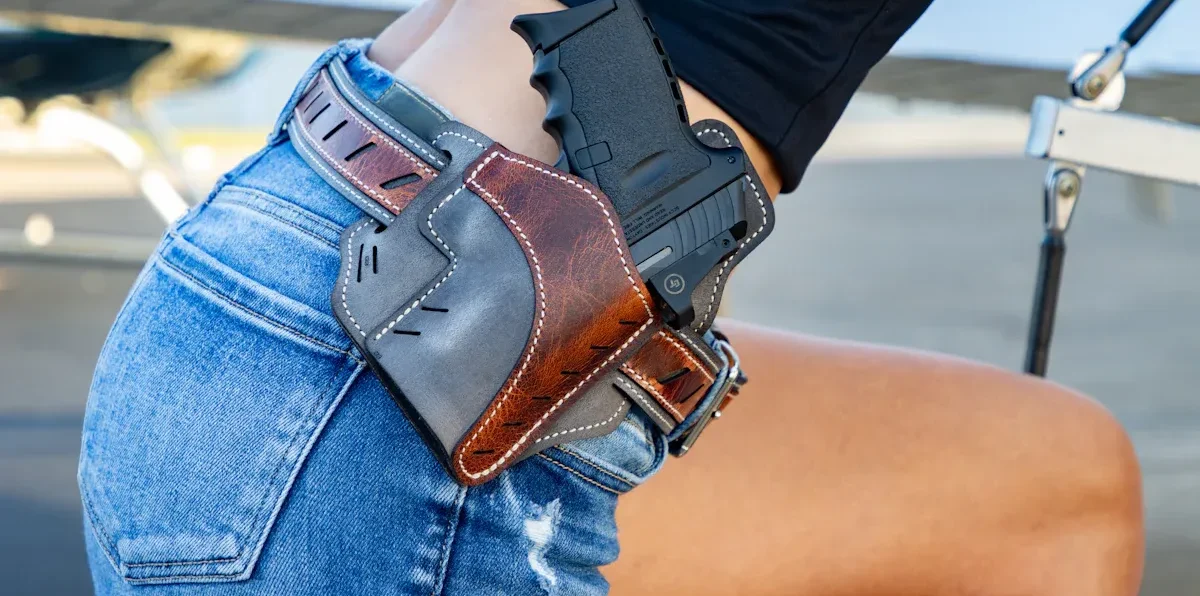
When you choose a leather holster, fit stands out as the key factor. A good leather holster feels like it was made for you. People love leather holsters for their classic look and smooth feel. You want your leather holster to sit snug, stay comfortable, and keep your firearm secure. Always check the retention and the quality of the leather holster. Make sure your belt fits the leather holster. Avoid mistakes that can cost you comfort or safety. A leather holster does more than hold your gun holster—it becomes part of your daily routine.
Key Takeaways
- Fit and comfort matter a lot when picking a leather holster. Make sure it holds your firearm tightly and feels nice on your body.
- Choose strong leather, like full-grain or top-grain, for lasting use and a better fit. This helps the holster last longer.
- Think about how you want to carry your firearm. Inside the Waistband (IWB) holsters hide your firearm better. Outside the Waistband (OWB) holsters make it easier to reach your firearm.
- Look at retention features. A safe holster keeps your firearm secure and lets you draw it easily when you need to.
- Clean and condition your leather holster often to keep it looking good. Simple care makes your holster last much longer.
Key Factor: Fit & Comfort
Secure Firearm Fit
Your leather holster should hold your firearm tightly. If your gun moves or makes noise, it is not safe. You need a holster that keeps your firearm steady and ready. Here are the main things to look for in a secure fit:
| Factor | Description |
|---|---|
| Retention and Security | Adjustable retention parts like screws or straps let you change the fit. They stop your firearm from moving. |
| Fit and Compatibility | Pick a holster made for your firearm model. This keeps your gun snug and stops it from shifting. |
| Material Quality | Choose full-grain or top-grain leather. These types last longer and keep their shape. |
| Comfort and Wearability | Soft, bendable leather feels better for long wear. It also helps with moisture. |
| Concealment Effectiveness | A tight fit hides your firearm well. Good placement makes it easy to reach but keeps it hidden. |
Always check if the holster fits your firearm’s make and model. A custom fit keeps your gun in place, even if you move quickly or bend. Retention screws or straps let you adjust how tight the holster holds your firearm. Full-grain or top-grain leather keeps its shape and holds your gun steady. If the leather is too stiff or too loose, you may have trouble drawing or putting your gun back.
Tip: Try the holster by putting your unloaded firearm inside. Turn it upside down. If the gun stays, the fit is secure.
Comfort for Daily Carry
You will wear your holster for many hours. Comfort matters as much as safety. The shape of your leather holster affects how it feels on your body. Some holsters have rounded edges so they do not poke your skin. Others have sweat guards to keep moisture away from your firearm and body.
Different carry styles change how the holster feels. Inside the Waistband (IWB) holsters go inside your pants. They hide your firearm better but must be soft and flexible. Outside the Waistband (OWB) holsters sit outside your belt. They often feel more comfortable for longer wear.
Here are some features that make daily carry more comfortable:
- Rounded edges that do not scratch
- Sweat guard height that protects your skin and firearm
- Wide backing that spreads out pressure
- Adjustable ride height to set how high or low the holster sits
- Cant angle adjustment for easy drawing
You want a holster that feels good all day. Soft, smooth leather feels nice on your skin and moves with you. A good leather holster stays quiet when you move. This helps you avoid unwanted attention. With the right fit and comfort, your holster becomes part of your daily routine.
Leather Holster Benefits
Durability & Longevity
When you pick a leather holster, you get a piece of gear that stands the test of time. Leather does not just look good—it works hard for you every day. If you take care of your holster, it can last for many years. You do not have to worry about it falling apart after a few months. Leather holds up to daily use and does not break down easily. You can trust it to keep its shape and strength, even if you use it often.
- Quality leather holsters can last for years with the right care.
- They resist wear and tear from daily use.
- Leather develops a unique patina over time, making your holster look even better.
Tip: Wipe your holster with a soft cloth and use leather conditioner now and then. This simple habit keeps your holster strong and looking sharp.
You might notice that leather feels better the more you use it. It molds to your firearm and your body, giving you a custom fit. Synthetic holsters often crack or lose their shape, but leather just gets better with age.
Aesthetic & Feel
Leather holsters do more than carry your firearm—they add style to your daily routine. Many people love the timeless, classic look of leather. The rich texture and quality craftsmanship stand out right away. When you hold a leather holster, you feel the difference. It feels smooth and sturdy in your hand.
- Leather offers a classic style that never goes out of fashion.
- The rich texture adds a touch of elegance to your gear.
- Skilled craftsmanship gives each holster a unique look.
You might want your holster to match your personal style. Leather makes that easy. It looks great with jeans, suits, or uniforms. The natural finish and deep color give your holster a sophisticated edge. Every time you carry, you show off a bit of tradition and class.
A leather holster does not just hold your firearm—it becomes part of your story.
Carry Style Choices
OWB vs IWB Leather Holster
There are many holster types you can pick from. The most common are OWB and IWB holsters. OWB holsters sit on your belt. They are easy to reach and feel comfortable. These work well if you wear a jacket or long shirt. IWB holsters go inside your pants. This style hides your firearm under your clothes. You can wear a loose T-shirt and keep your gun hidden. If you want your firearm to stay out of sight, IWB is a good choice.
- IWB holsters hide your firearm better and stop printing.
- OWB holsters feel more comfortable and are faster to use.
- Shoulder holsters look nice and work with suits or jackets.
Concealed Carry Holster Options
Picking a concealed carry holster means thinking about comfort and style. You want a holster that feels good and keeps your firearm safe. Choose strong leather and good retention parts. Many people like IWB for daily use because it stays hidden. Some pick OWB for days when they wear a cover shirt. Shoulder holsters are good for fancy events or if you move a lot. Your style matters too. Pick a holster that fits your needs and feels right.
- Comfort and function are most important in holster design.
- Good leather makes your holster last longer.
- Retention keeps your firearm safe every day.
Open vs Concealed Carry
You may wonder if open carry or concealed carry is better. Open carry holsters let people see your firearm. This gives you fast access but can get attention. Concealed carry keeps your gun hidden and helps you avoid problems. Look at the table below to see the main differences:
| Aspect | Open Carry | Concealed Carry |
|---|---|---|
| Safety | Fast access but may get attention | Keeps you private and avoids problems |
| Legal Requirements | Sometimes does not need a permit | Usually needs a permit and training |
| Situational Use | Good where open carry is allowed | Best where open carry is not allowed |
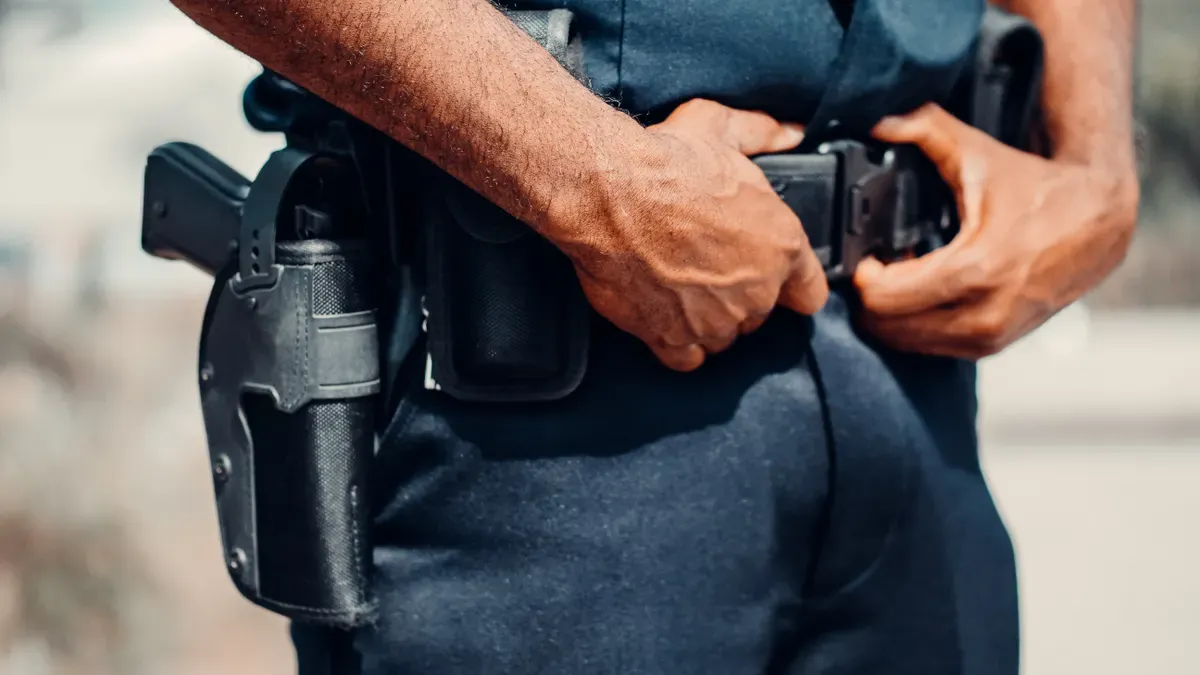
Open carry holsters are good if you do not need to hide your firearm. Concealed carry holsters are better if you want privacy. Duty holsters are used for open carry by police. You can use duty holsters for quick access too. Always check your local laws before you pick open carry.
Tip: Choose the carry style that fits your life and keeps you safe.
Firearm Compatibility
Barrel Length Match
You want your holster to fit your firearm just right. Barrel length plays a big role here. If you pick a holster that matches your barrel length, you get a better gun fit. The holster holds your firearm securely and lets you draw it smoothly. When the barrel is too long or too short for the holster, you might struggle with retention or comfort. You could even have trouble putting your firearm back in the holster.
Tip: Always check the barrel length before you buy a leather holster. A proper match means your firearm stays safe and easy to reach.
A good leather holster supports your firearm-specific fit. Even small differences in barrel length can change how well your firearm sits in the holster. You want to avoid a loose fit or a holster that covers too much of your firearm.
Concealed Carry Holsters Fit
Concealed carry holsters need to fit your firearm like a glove. You want your holster to keep your firearm safe and hidden. Here are some things to look for when you choose concealed carry holsters:
- Make sure the holster covers the trigger guard for safety.
- Look for adjustable retention features. These let you change the tightness for your comfort.
- Choose holsters with strong belt clips or loops. This keeps your holster in place.
- Pick a holster that matches your dominant hand for a smooth draw.
- Adjustable ride height and cant angle help you find the best spot for comfort and concealment.
- Focus on material quality. Soft, sturdy leather feels good and lasts longer.
- Always check that the holster fits your firearm model. Even if two guns look alike, they may not fit the same holster.
You want concealed carry holsters that stay secure and do not move around. The design and molding of the holster matter a lot. Leather can shape itself to your firearm over time, giving you a custom fit. The right holster will make daily carry easier and safer.
Note: Try your holster with your unloaded firearm before you wear it out. This helps you check the fit and make sure everything works well.
A table can help you see what affects holster compatibility:
| Factor | Why It Matters |
|---|---|
| Holster design and molding | Shapes to your firearm for better fit |
| Firearm dimensions and shape | Ensures the holster holds your gun well |
| Retention methods | Keeps your firearm secure |
| Leather flexibility | Molds to your firearm over time |
When you focus on these details, you get concealed carry holsters that work for you every day.
Retention Features
Passive & Active Retention
Leather holsters use two ways to keep your firearm safe. These are passive retention and active retention. Each one works in its own way. You should pick the one that fits your needs.
Here is a simple table to show the difference:
| Retention Type | Description |
|---|---|
| Passive Retention | Built into the holster’s shape and material. It holds the firearm by being tight and snug. |
| Active Retention | Needs you to use straps or buttons. You must unlock these before taking out your firearm. |
Passive retention uses the leather’s shape and grip. You do not have to do anything extra. The holster hugs your firearm tightly. Active retention has a strap or snap you must open first. This makes your firearm even safer. It is good if you move a lot or are in crowded places.
Tip: If you want to draw your firearm quickly, passive retention is best. If you want more safety, choose a holster with active retention.
Reinforced Mouth Opening
A reinforced mouth opening is very helpful for your holster. It keeps the top open after you draw your firearm. You can put your gun back easily and safely. The holster does not fold or close up. You do not need both hands or have to look down. This helps stop accidents and keeps things easy.
A strong mouth opening also helps hold your firearm tight. The holster keeps its shape every time you use it. This small feature makes your daily carry safer and more comfortable.
Leather Quality
When you shop for a holster, you want to pay close attention to leather quality. The type of leather makes a big difference in how your holster feels, lasts, and protects your firearm. Not all leather is the same. Some types work better for holsters than others.
Full-Grain vs Top-Grain
You will see two main types of leather in holsters: full-grain and top-grain. Both offer good strength, but they have some differences.
| Leather Type | Features | Best For |
|---|---|---|
| Full-Grain | Keeps the natural grain. Strongest and most durable. Develops a rich patina over time. | Long-lasting holsters, daily carry |
| Top-Grain | Sanded and smoothed surface. Still strong, but a bit softer and more flexible. | Comfortable carry, lighter use |
Full-grain leather gives you the best protection and will last for years. It holds its shape and stands up to daily wear. Top-grain leather feels a bit softer and may look more polished. You can pick either, but full-grain is the top choice if you want a holster that ages well and stays tough.
Tip: If you want a holster that looks better with age, go for full-grain leather.
Avoid Suede Leather
You might see some holsters made from suede leather. These can feel soft, but they do not work well for holster construction. Suede is less durable and tends to trap dirt. Dirt can scratch and damage your firearm over time. Suede’s soft texture does not give your gun the same level of protection or retention as full-grain or top-grain leather. You want your holster to keep your firearm safe and secure, so it is best to skip suede options.
Remember: A good holster should protect your firearm, not put it at risk.
Belt Compatibility
Belt Width Selection
Choosing the right belt for your leather holster makes a huge difference. You might think any belt will do, but that is not true. The width of your belt plays a big role in how well your holster works. If you pick a belt that is too narrow, your holster can slide around or even tilt. This makes drawing your firearm harder and less safe.
Here are some things to keep in mind when picking a belt width:
- A wider belt gives your holster more support and keeps it steady.
- Wide belts help carry the weight of your firearm, so it does not sag or lean away from your body.
- If your belt is too narrow, your holster may rock back and forth. This can mess up the angle of your firearm.
- A sturdy, wide belt makes drawing your firearm faster and easier.
- Always match the width of your belt to the loops on your holster. This stops the holster from shifting or moving.
- If your firearm sits high above your belt, you need an even wider belt for extra stability.
Tip: Try using a belt that is at least 1.5 inches wide for most leather holsters. This size works well for both comfort and support.
Holster Stability
You want your holster to stay in the same spot all day. If it moves or tilts, you might feel uncomfortable or even unsafe. Holster stability depends on how well your belt and holster work together. A rigid belt keeps your holster from flexing or shifting. When your belt fits right, you avoid pressure points and keep your holster in place.
Common issues with holster stability include:
- A belt that is too soft or flimsy lets your holster move around.
- If your belt does not fit your holster, you may feel pressure points or discomfort.
- Holsters can shift during daily activities if the belt is not sturdy.
- A weak belt can let your firearm lean away from your body, making it harder to conceal.
- Adjustable belts help you keep your holster in the right spot, no matter what you do.
Note: A good belt and holster combo feels secure and comfortable. You should not have to adjust your holster all day. Pick a strong, wide belt for the best results.
Comfort Details
Holster Shape & Padding
You want your holster to feel good every time you wear it. The shape and padding of your holster make a big difference in comfort, especially if you carry all day. A well-shaped holster fits your body and moves with you. Padding adds a soft layer between your skin and the holster. This helps you avoid sore spots and keeps you comfortable, even after hours of wear.
Here’s how holster shape and padding help you:
- Better Airflow: Some holsters use multi-layer backings that let air flow through. This keeps sweat from building up and helps you stay cool.
- Cushioning: Padding gives you a soft barrier. It stops the holster from digging into your side and reduces pressure.
- Moisture Wicking: Special materials pull sweat away from your skin. You stay dry, even on hot days.
- Pressure Distribution: Padding spreads out the weight of your firearm. You won’t feel one spot getting sore.
- Skin Protection: Sweat shields and soft fabrics keep your skin safe from rubbing or chafing.
- Stability: Some holsters have angled foam wedges. These keep your holster in place and stop it from shifting.
Tip: If you plan to carry for long hours, look for a holster with good padding and a shape that matches your body.
Break-In Period
When you get a new leather holster, it might feel stiff at first. Don’t worry—this is normal. Leather needs time to mold to your firearm and your body. This process is called the break-in period. As you use your holster, the leather softens and shapes itself for a custom fit.
Here’s what you can expect during the break-in:
- The holster may feel tight at first. This keeps your firearm secure.
- After a few days of wearing and drawing your firearm, the leather loosens up.
- The holster starts to fit your body better, making it more comfortable.
- You might notice the edges get softer and less likely to rub your skin.
Be patient. A good leather holster gets more comfortable with time. Soon, it will feel like it was made just for you.
Leather Holster Care
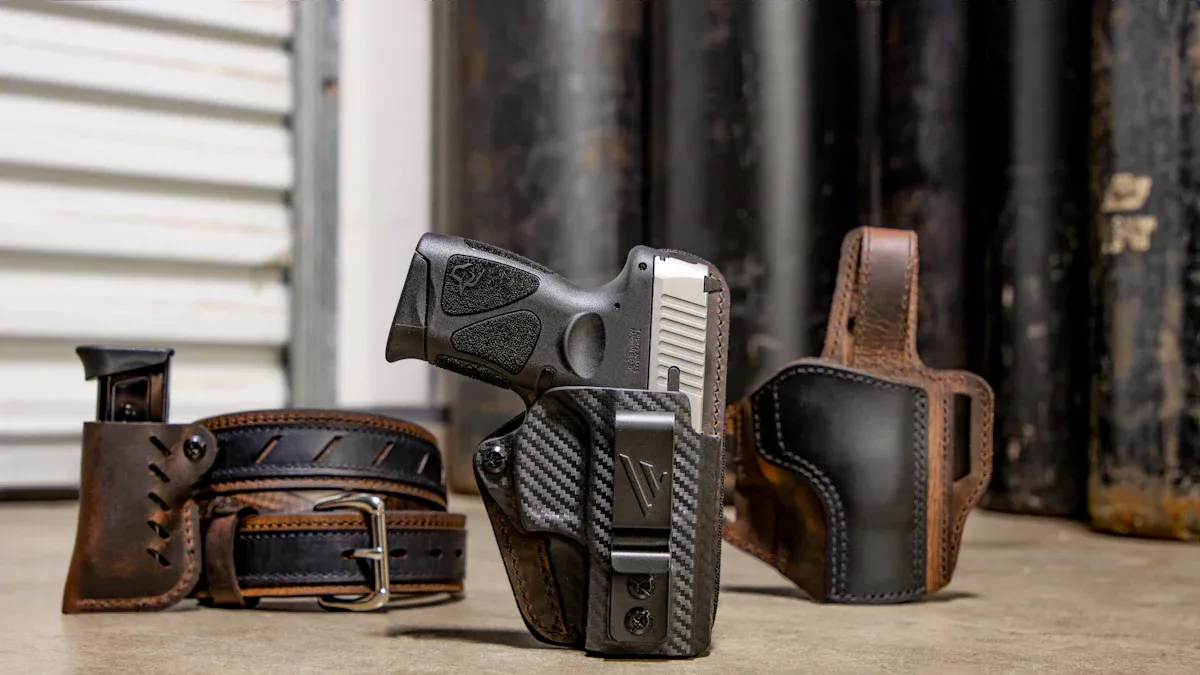
Taking care of your leather holster keeps it looking sharp and working well for years. You do not need fancy tools or special skills. Just a few simple habits will help your holster stay in top shape.
Cleaning & Conditioning
Leather can pick up sweat, dirt, and dust from daily use. If you clean and condition your holster on a regular schedule, you protect the leather and keep it flexible. Here’s an easy guide to follow:
| Frequency | Action |
|---|---|
| After each use | Wipe down with a dry cloth to remove sweat and dirt. |
| Monthly | Clean with a damp cloth and mild leather cleaner (if needed). |
| Every 3-6 months | Condition the leather with a high-quality leather conditioner. |
| As needed | Address issues like water damage, mold, or stiffness right away. |
Tip: Never soak your holster in water or use harsh chemicals. These can dry out the leather or cause it to crack.
When you condition your holster, use a small amount of leather conditioner. Rub it in with a soft cloth. Let the holster dry in the open air. This keeps the leather soft and helps it last longer.
Storage Tips
Storing your holster the right way matters just as much as cleaning it. You want to keep it safe from moisture, heat, and sunlight. Here are some simple storage tips:
- Store your holster in a dry, cool place with good airflow.
- Keep it away from direct sunlight to prevent fading and drying.
- Avoid sealing your holster in plastic bags. Leather needs to breathe.
- Use silica gel packs to control humidity in storage areas.
- Place your holster in a breathable fabric bag or pillowcase for dust protection.
- Maintain the holster’s shape with a foam or paper form inside.
- Make sure your gun safe has airflow to prevent moisture buildup.
🛡️ Note: Good storage keeps your holster looking new and ready for action. A little care goes a long way!
Comparison: Leather vs Kydex
Choosing between leather and Kydex holsters can feel tricky. Each material has its own strengths and weaknesses. Let’s break down the main differences so you can pick what works best for you.
Here’s a quick comparison table to help you see how leather and Kydex stack up:
| Feature | Leather Holsters | Kydex Holsters |
|---|---|---|
| Comfort | Molds to your body, soft against the skin | Can feel hard and uncomfortable for long wear |
| Rigidity | Flexible, may be bulkier | Very rigid, keeps its shape |
| Concealment | Bulkier, less discreet | Slim and lightweight, easier to hide |
| Maintenance | Needs regular cleaning and conditioning | Almost maintenance-free, easy to clean |
| Moisture | Can absorb sweat and moisture | Resists moisture and weather |
| Durability | Lasts long with care, can wear out | Extremely durable, resists damage |
Comfort & Rigidity
You want your holster to feel good all day. Leather holsters shine here. They mold to your body and get softer over time. You’ll notice the leather feels gentle against your skin, even after hours of wear. Kydex holsters, on the other hand, stay stiff. They don’t flex or change shape. This makes them great for keeping your firearm in place, but they can dig into your side and feel uncomfortable, especially if you wear them for a long time.
- Leather holsters give you comfort and a custom fit.
- Kydex holsters offer a slim profile and strong hold, but can feel hard.
If you want something that feels like it was made just for you, leather is a solid choice. If you need a holster that stays the same shape and is easy to hide, Kydex might be better.
Maintenance Needs
Leather holsters need more care. You have to clean and condition them often to keep them from cracking or getting moldy. Sweat and water can damage leather if you don’t look after it. Kydex holsters are much easier. You can rinse them off with water and wipe them dry. They don’t soak up sweat or moisture, so they last a long time with almost no effort.
- Leather needs regular cleaning and special products.
- Kydex is low-maintenance and tough in any weather.
If you want a holster that’s easy to care for, Kydex wins. If you enjoy taking care of your gear and want something that ages with you, leather is a great pick.
Common Mistakes
When you shop for a leather holster, it’s easy to make mistakes that can affect your comfort and safety. Let’s look at the most common problems and how you can avoid them.
Wrong Fit or Belt Size
You need a holster that fits your firearm and your belt. If you pick the wrong size, your holster might slide around or feel loose. This can make concealed carry uncomfortable and unsafe. Many people forget to check their belt size when buying a holster. You want your belt to support the holster and keep it steady all day.
Here’s a quick guide to help you get the right fit:
| Sizing Advice | Description |
|---|---|
| Add 2 inches | Add 2 inches to your normal belt size. |
| Size up 2 inches | Go 2 inches above your pant size. |
| Order 4 inches larger | Some people order 4 inches above waist size. |
Tip: Always try your holster with your belt before you use it for concealed carry. This helps you spot any problems early.
Overlooking Retention
Retention keeps your firearm secure in the holster. If you ignore this feature, your gun could fall out or be hard to draw. You want a holster with good retention for both open and concealed carry. Look for adjustable screws or straps. Test the holster by turning it upside down with your unloaded firearm inside. If it stays put, you have good retention.
Remember, holster safety starts with proper retention. Never skip this step.
Choosing Low-Quality Materials
Some holsters look nice but use cheap leather. Low-quality materials wear out fast and can put your firearm at risk. Always choose full-grain or top-grain leather for your concealed carry holster. These materials last longer and protect your gun better. Avoid suede or thin leather, as they don’t offer enough support.
Here’s a quick list of mistakes to avoid:
- Picking the wrong holster type for your needs.
- Ignoring the fit for your specific firearm.
- Forgetting about comfort for daily concealed carry.
- Skipping accessories that help with concealed carry.
- Overlooking retention and holster safety.
If you focus on fit, retention, and quality, you’ll enjoy a safer and more comfortable concealed carry experience.
You want a leather holster that feels right and keeps you safe. Start by checking these steps:
- Make sure the trigger guard stays covered.
- Pick a holster that lets you grab your firearm easily.
- Look for strong retention to hold your handgun in place.
- Choose a proper cant for a smooth draw.
- Avoid muzzling yourself when you draw.
Stay focused on fit, comfort, and safety. Keep your holster clean and check it often. Avoid common mistakes, and your holster will serve you well every day.
FAQ
How do you break in a new leather holster?
You can break in your holster by placing your unloaded firearm inside and leaving it overnight. Draw and reholster a few times each day. The leather will soften and shape to your gun. Patience pays off!
Can you use leather holsters in hot weather?
Yes, you can. Leather breathes and feels comfortable against your skin. Just wipe off sweat and let your holster air dry. Avoid leaving it in direct sunlight for long periods.
How often should you clean your leather holster?
You should wipe your holster after each use. Clean it with a damp cloth once a month. Use leather conditioner every few months. This keeps your holster strong and looking good.
Will a leather holster scratch my firearm?
A quality leather holster will not scratch your gun if you keep it clean. Dirt and grit can cause scratches. Check your holster often and remove any debris right away.