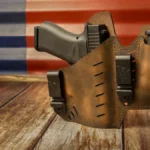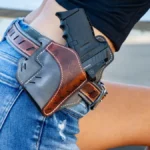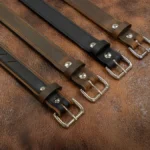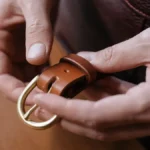
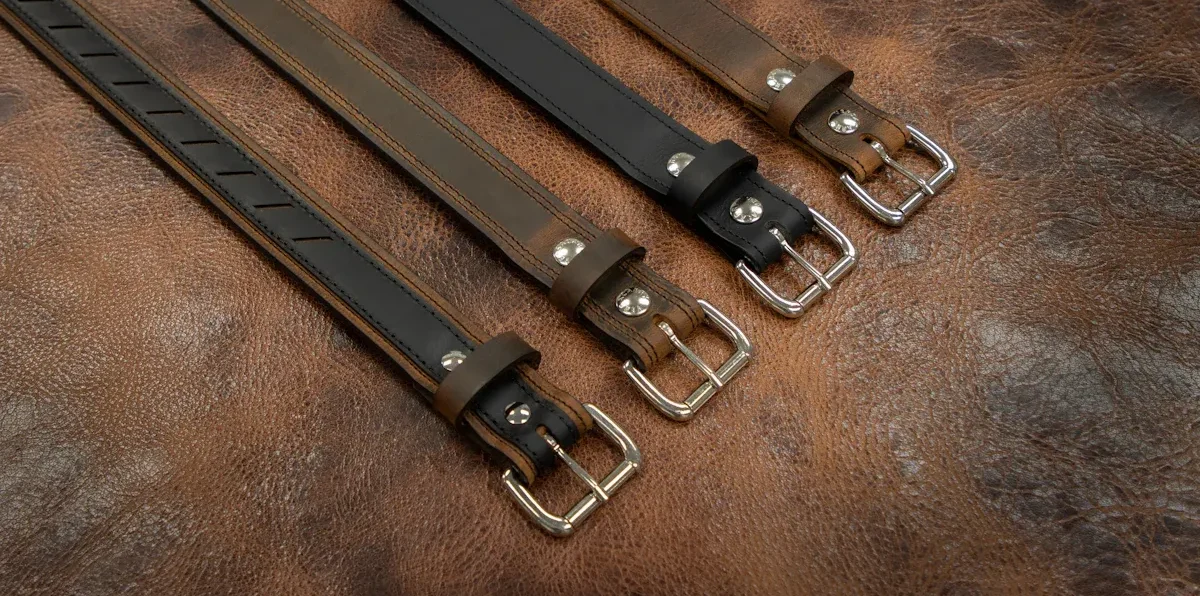
When you choose a belt, you should look at three main things: leather thickness, edge finishing, and stitching. Each one changes how your belt feels, lasts, and looks. Thick leather helps prevent warping and gives strong support. Smooth edges feel good against your skin and make the belt look polished. Careful stitching holds the leather together and adds style. If you want a belt that stays comfortable and looks sharp, pay attention to these details. You can spot real quality by checking the leather, the edges, and the way the stitching lines up.
Key Takeaways
- Choose thicker leather belts for better strength and durability. Full-grain leather is the best option for long-lasting use.
- Look for smooth, well-finished edges on belts. This not only enhances appearance but also prevents damage and fraying.
- Check the stitching quality. Strong, even stitches ensure the belt holds together and lasts longer under stress.
- Select the right thickness based on the belt’s purpose. Dress belts should be 2.5-3.0 mm thick, while casual belts should be 3.5-4.0 mm thick.
- A well-made belt can last 10 to 20 years, saving you money in the long run. Invest in quality for better value.
Leather Thickness and Belt Durability
Impact on Strength and Longevity
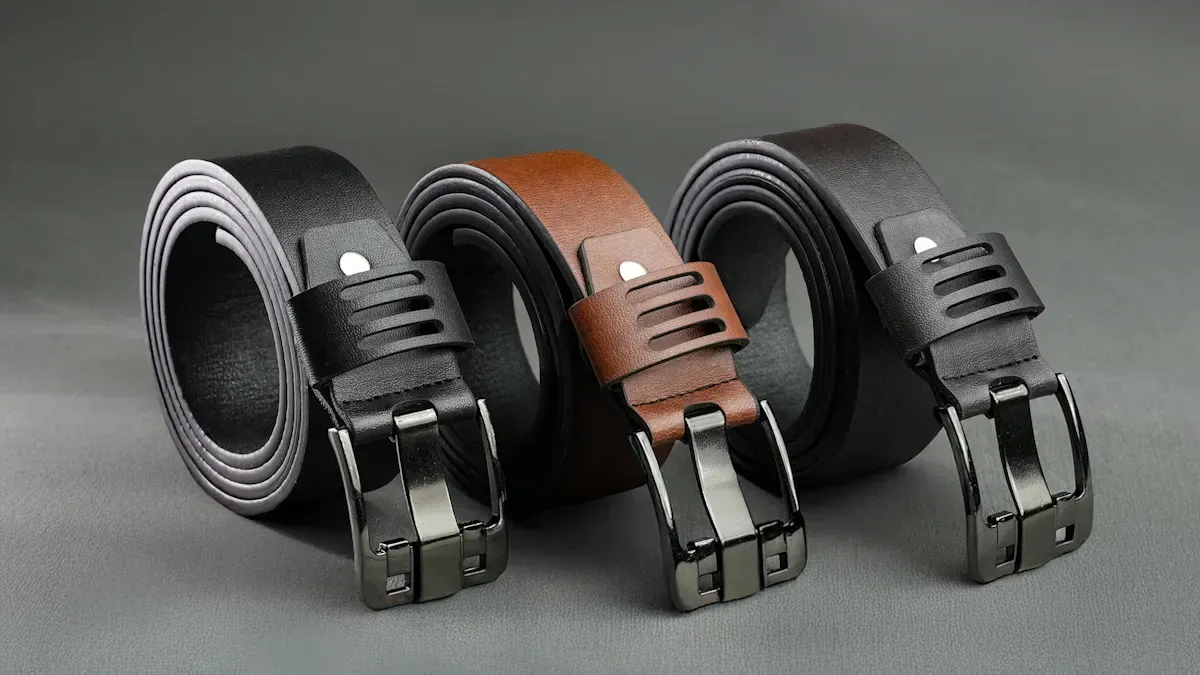
When you choose a belt, you should pay close attention to leather thickness. This feature plays a big role in leather belt durability. Thicker leather belts stand up to daily wear and stress. You get more strength and a longer lifespan from a thick leather belt. Full-grain leather is the best choice for strength and durability. You will find full-grain leather in most everyday belts because it handles friction and stress well. If you want extra durable leather belts, look for ones made with full-grain leather and proper thickness.
- Thicker leather belts resist stretching and cracking.
- Full-grain leather belts last longer under normal use.
- Extra durable leather belts use thick, high-grade leather for maximum strength.
Flexibility and Comfort Factors
You want your belt to feel good when you wear it. The right thickness gives you both comfort and support. If the belt is too thick, it can feel stiff and hard to bend. If it is too thin, it may stretch or lose its shape. Full-grain leather belts offer a good balance of flexibility and support. You can see how different thicknesses affect comfort in the table below:
| Leather Thickness (mm) | Intended Use | Comfort Implications |
|---|---|---|
| 2.5 – 3.0 | Formal Dress Belt | Sleek profile, comfortable for formal wear. |
| 3.5 – 4.0 | Everyday Casual Belt | Good strength and comfort, prevents sagging, all-day wear. |
| 4.5 – 6.0 | Heavy-duty Work or Gun Belts | Very durable but can feel stiff and bulky, needs break-in time. |
| < 2.5 | Too Thin | Stretches and loses shape, not comfortable for regular use. |
| > 5.0 | Too Thick | Rigid and uncomfortable, hard to fit through loops. |
You should pick a belt with the right thickness for your needs. For example, a casual belt with 3.5 to 4.0 mm thickness gives you both comfort and durability. Extra durable leather belts for work or heavy use may be thicker, but they can feel stiff at first.
Ideal Thickness for Dress and Casual Belts
The ideal thickness depends on how you plan to use your belt. For dress belts, you want a slim look and easy fit through belt loops. Fashion experts recommend a thickness of 8.5 ounces or lighter for dress belts. This usually means about 2.5 to 3.0 mm. For casual belts, you need more support and structure. The best thickness for casual belts is between 3.5 mm and 4.0 mm. This range gives you enough strength to prevent sagging and enough flexibility for comfort. If you want extra durable leather belts, choose full-grain leather in this thickness range.
- Dress belts: 2.5 to 3.0 mm thickness, full-grain leather for quality construction.
- Casual belts: 3.5 to 4.0 mm thickness, full-grain leather for extra durable leather belts.
- Work or heavy-duty belts: 4.5 mm or more, but these can be stiff.
If you see a belt that feels flimsy or stretches easily, it is probably too thin. If it feels very stiff and does not fit through your loops, it is likely too thick.
Lining and Structure Considerations
Lining adds another layer to your belt. It helps with structure and comfort. High-end brands use full-grain leather linings to make extra durable leather belts. These linings give you a smooth feel against your clothes and skin. Some brands use thin, non-stretch materials inside the belt. This keeps the belt from stretching and helps it keep its shape. You may also find belts with synthetic linings for more rigidity. A good lining means better leather belt durability and a more comfortable fit.
- Lining and internal reinforcement improve stability and feel.
- Full-grain leather linings add to the quality construction of extra durable leather belts.
- Some brands use special materials inside the belt to prevent stretching and keep the right thickness.
- A smooth lining gives you comfort and helps the belt drape well.
When you check a belt, look for even thickness and a smooth, strong lining. This shows quality construction and good leather belt construction.
Tip: Always check the edges and lining of a belt. A well-made belt will have even thickness, a smooth lining, and full-grain leather for extra durability.
Signs of Poor or Excessive Thickness
You can spot problems with thickness if you know what to look for. A belt that is too thin will stretch, lose shape, and may break under stress. A belt that is too thick will feel stiff, may not fit through loops, and can be uncomfortable. Use the table below to help you judge the right thickness for different types of belts:
| Belt Type | Leather Thickness (mm) | Durability Characteristics |
|---|---|---|
| Dress Belts | 2 to 3 | Slim profile, less durable under stress. |
| Casual/Work Belts | 3.5 to 5 | Thicker for resistance to daily wear and mechanical stress. |
| Extra Durable | Calibrated to demand | Optimized thickness for specific uses, best durability. |
If you want extra durable leather belts, always check for full-grain leather, proper thickness, and quality construction. These features give you the best leather belt durability and comfort.
Note: A high-quality belt will have the right thickness for its use, full-grain leather, and careful construction. This means better ratchet belt durability, longer life, and a better look.
Edge Finishing and Belt Quality
Appearance and Wear Resistance
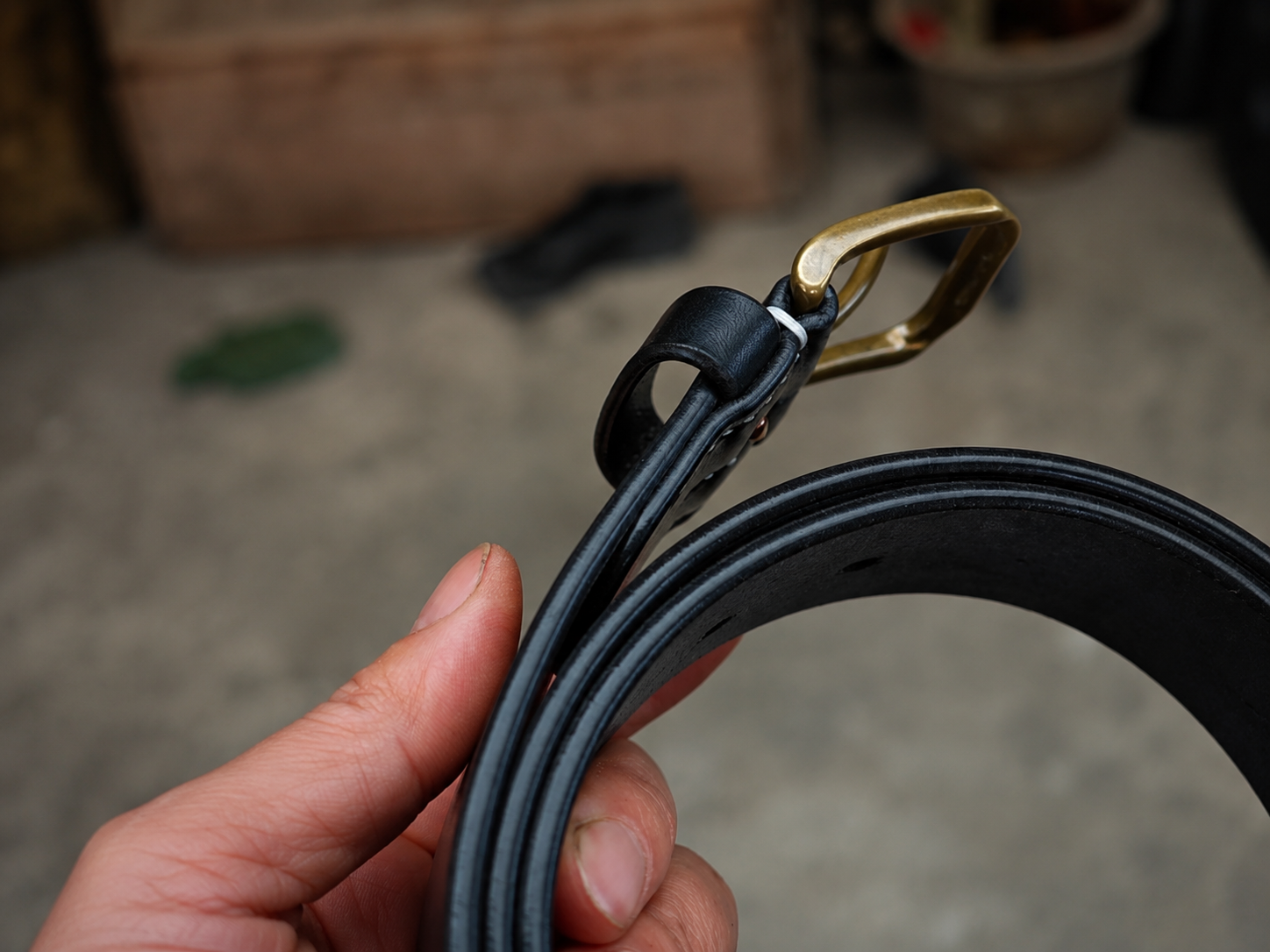
Edge finishing is important for how a belt looks and lasts. When a belt has smooth edges, it looks strong and nice right away. Good edge finishing does more than just make the belt look good. It also keeps the leather from getting damaged or fraying. If you want your belt to stay strong and look good for a long time, check the edges. Good finishing shows the maker is skilled and makes the belt last longer.
- Good stitching and neat edges help your belt last many years.
- A nice finish shows the craftsperson cares about details.
Edge Finishing Techniques (Burnishing, Dyeing, Painting)
There are different ways to finish the edges of leather belts. Each way helps the belt look better and last longer in its own way. Here is a table that shows the most used techniques:
| Technique | Description | Common Use Cases |
|---|---|---|
| Burnishing | Smoothing edges with heat and rubbing, making them shiny and dark. | Premium belts, wallets, luxury accessories |
| Edge Painting | Putting layers of paint on edges for a smooth, strong finish. | Luxury handbags, fashion accessories |
| Waxing | Heating edges, adding melted wax, and shining them for water protection. | Belts, saddles, rugged goods |
| Beveling | Rounding the edges to make them look and feel better. | All leather goods |
Good edge sealing, like edge painting and burnishing, stops the edges from fraying and helps the belt last longer. Edge painting makes a smooth, strong cover that protects the raw leather. Burnishing presses the leather fibers together, making a natural seal that keeps out water and stops fraying.
Identifying Quality Edge Finishing
You can tell if a belt is well-made by looking at the edges. Here are some things to look for:
- The edge is smooth and even, not bumpy or rough.
- The color is the same all along the edge.
- There are no cracks or lines when you bend the belt.
- The edge and the leather meet in a clean way.
- The paint or finish stays on even after using the belt for months.
A good belt will have edges that are smooth, sealed, and sometimes waxed. These things help keep the leather safe and make the belt look nice. When you pick a belt, always check the edges for these signs. This easy step helps you get a belt that stays strong and looks good for a long time.
Leather Stitching Quality and Belt Longevity
Stitching Strength and Structure
You should always check the stitching on a belt before you buy it. Precise stitching holds the belt together and keeps it strong for years. When you see strong, even stitches, you know the belt will not fall apart easily. Stitching secures the layers of the belt and stops the edges from coming apart. It locks the edge finish in place, which helps the belt keep its shape. Stitching spreads out stress, so the leather does not crack or fray at weak spots. For single-layer belts, stitching adds support and stops buckling. In layered belts, stitching acts as the main bond and helps the belt handle side-to-side stress.
- Stitching secures belt layers and prevents delamination.
- It locks the edge finish and maintains the belt’s shape.
- Stitching spreads stress and reduces fraying or cracking.
- It reinforces single-layer belts and bonds layered belts.
The density of the stitches also matters. You can see how stitch density affects strength in the table below:
| Stitch Density (SPI) | Thread Strength (lbs) | Calculated Seam Strength (lbs) |
|---|---|---|
| 7 | 23 | 241 |
| 9 | 14 | 189 |
| 12 | 10.8 | 198 |
Machine vs. Hand Stitching
You will find both machine and hand stitching in leather belts. Hand-sewn saddle-stitch construction gives the best durability. The threads interlock at each hole, so if one stitch breaks, the rest stay in place. Machine lock-stitching uses a continuous loop. If one stitch breaks, the whole line can unravel. Saddle-stitch construction also makes repairs easier. You only need to fix the damaged part, not the whole belt. Hand-stitched belts last longer and give you better value over time. Machine stitching works well for everyday belts and gives a neat, even look. Many people see hand stitching as a sign of high quality and craftsmanship. Machine stitching is fast and consistent, which some buyers prefer for style and price.
What to Look for in Quality Stitching
You can spot high-quality leather stitching by looking for strong, even stitches with no loose threads. Each stitch should be tight and secure. Good belts often use reinforced techniques like double stitching or saddle-stitch construction for extra strength. Check for neat, even patterns and smooth, finished edges. Avoid belts with gaps, uneven stitches, or threads sticking out. You should also know the difference between functional and decorative stitching. Functional stitching gives strength and utility, while decorative stitching adds style.
| Feature | Functional Stitching | Decorative Stitching |
|---|---|---|
| Priority | Strength and utility | Customization and looks |
| Application | Seams, straps, repairs | Design, embroidery, embellish |
| Durability | High | Moderate |
Tip: Always run your fingers along the stitching. If it feels smooth and tight, you have found a belt with good leather stitching quality. Improving leather stitching means better durability and a longer-lasting belt.
When you look for a belt, focus on leather thickness, edge finishing, and stitching quality. These features work together to give you strength, comfort, and durability.
- Thicker leather keeps the belt strong and helps it keep its shape.
- Smooth, sealed edges protect the belt and make it look great.
- Quality stitching holds the belt together under stress.
Tips for choosing a good belt:
- Check the leather for smoothness and no blemishes.
- Try the belt on for comfort and flexibility.
- Read reviews to learn about the brand’s quality.
A well-made belt lasts longer and saves you money over time. Full grain leather belts can last 10 to 20 years, while cheaper belts wear out fast.
| Belt Type | Lifespan (Years) |
|---|---|
| Full Grain Leather | 10 to 20+ |
| Top Grain Leather | 8 to 15 |
| Genuine Leather | 2 to 4 |
Choose a quality belt for better value and satisfaction.
FAQ
What is the best leather thickness for a belt?
You should choose 2.5–3.0 mm for dress belts and 3.5–4.0 mm for casual belts. This thickness gives you strength and comfort. Heavy-duty belts need more thickness.
How can you spot high-quality edge finishing?
Look for smooth, even edges with no cracks or rough spots. The color should match the rest of the belt. Quality edge finishing protects the leather and keeps it looking new.
Does stitching affect belt durability?
Yes. Strong, even stitching holds the belt together. It prevents fraying and keeps the belt from falling apart. You should check for tight stitches with no loose threads.
Should you choose hand-stitched or machine-stitched belts?
Hand-stitched belts last longer and show craftsmanship. Machine-stitched belts look neat and cost less. You can pick either, but hand stitching often means better durability.
Why does lining matter in a leather belt?
Lining adds comfort and helps the belt keep its shape. It prevents stretching and makes the belt feel smooth against your skin. You should check for a strong, even lining.