When you compare vegetable tanned leather vs chrome tanned leather, you notice significant differences. Vegetable tanning utilizes materials derived from plants, while chrome tanning relies on chemicals. These methods not only affect the appearance and texture of the leather but also influence its aging process. Understanding these distinctions is crucial for selecting the best leather for your needs. The majority of leather, approximately 80-90%, is chrome tanned, whereas only 10-20% is vegetable tanned. Your choice impacts its durability, aesthetics, environmental effects, water resistance, maintenance requirements, and overall cost.
Key Takeaways
- Vegetable tanned leather uses things from plants. Chrome tanned leather uses chemicals. Pick one if you care about the environment or want something strong.
- Vegetable tanned leather gets a special look as it ages. Each piece becomes different over time. If you like things that change and look nice as they get older, pick this one.
- Chrome tanned leather does not get damaged by water easily. It is also simple to clean. Choose this if your leather will get wet a lot.
- Price matters too. Vegetable tanned leather costs more because it takes longer to make. Chrome tanned leather costs less and is easy to find.
- Think about what you want. Pick vegetable tanned leather if you want something strong and full of character. Pick chrome tanned leather if you want something soft and useful for many things.
Vegetable Tanned Leather vs Chrome: Key Differences
Overview Table
This table shows how vegetable tanned leather and chrome tanned leather are different. It helps you see the main features of each type.
| Feature | Vegetable Tanned Leather | Chrome Tanned Leather |
|---|---|---|
| Tanning Process | Uses natural materials like oak and bark | Uses chemicals, mainly chromium salts |
| Appearance | Natural hues, varies by batch | Consistent colors, wide range of options |
| Durability | Lasts 20-50 years with care | Lasts 10-20 years, good durability |
| Flexibility | Thick but pliable | Soft and flexible |
| Environmental Impact | Eco-friendly, biodegradable | Harsh chemicals, pollutes soil and water |
| Water Resistance | Low, prone to stains | High, ideal for wet conditions |
| Maintenance | Needs regular care, develops patina | Easy to maintain, keeps original look |
| Cost | Usually more expensive | Usually less expensive |
Main Distinctions
When you compare vegetable tanned leather vs chrome, you find many differences. These differences change how you use and care for leather.
- Tanning Process
Vegetable tanned leather uses tannins from plants. Chrome tanned leather uses chemicals called chromium salts. Chrome tanning is faster and costs less. - Appearance and Aging
Vegetable tanned leather changes as it gets older. It forms a patina that makes it unique. Chrome tanned leather keeps its color and look for a long time. If you want your leather to show age, choose vegetable tanned leather. - Durability and Lifespan
Vegetable tanned leather lasts a long time. It can last 20-50 years if you take care of it. Chrome tanned leather lasts 10-20 years. Both are strong, but vegetable tanned leather is tougher if you care for it. - Flexibility and Feel
Vegetable tanned leather feels thick but bends easily. Chrome tanned leather feels soft and flexible right away. Chrome tanned leather is comfy for jackets and gloves. - Environmental Impact
Vegetable tanning uses natural things that break down in nature. Chrome tanning uses chemicals that can be harmful. These chemicals can get into soil and water if not handled right.
Chrome tanneries make wastewater with lots of chromium. This can hurt fish and lower oxygen in water. Vegetable tanning makes organic waste that can be reused. This makes it better for the environment.
- Water Resistance
Chrome tanned leather does not soak up water easily. You can use it in wet places. Vegetable tanned leather absorbs water and stains fast. It is not good for things that get wet. - Maintenance and Care
Vegetable tanned leather needs regular cleaning and conditioning. It forms a patina that many people like. Chrome tanned leather is simple to care for. It stays looking new with little work. - Cost
Vegetable tanned leather costs more money. The process takes longer and uses natural materials. Chrome tanned leather is cheaper because it is made faster with chemicals. - Hypoallergenic Properties
Vegetable tanned leather is better for sensitive skin. Chrome tanned leather can cause skin problems because of chemicals. - Breathability
Vegetable tanned leather lets air pass through better. Chrome tanned leather does not breathe as well.
When you compare vegetable tanned leather vs chrome, you see each has good and bad points. Pick the one that fits your needs, budget, and what matters to you.
Vegetable Tanned Leather
Tanning Process
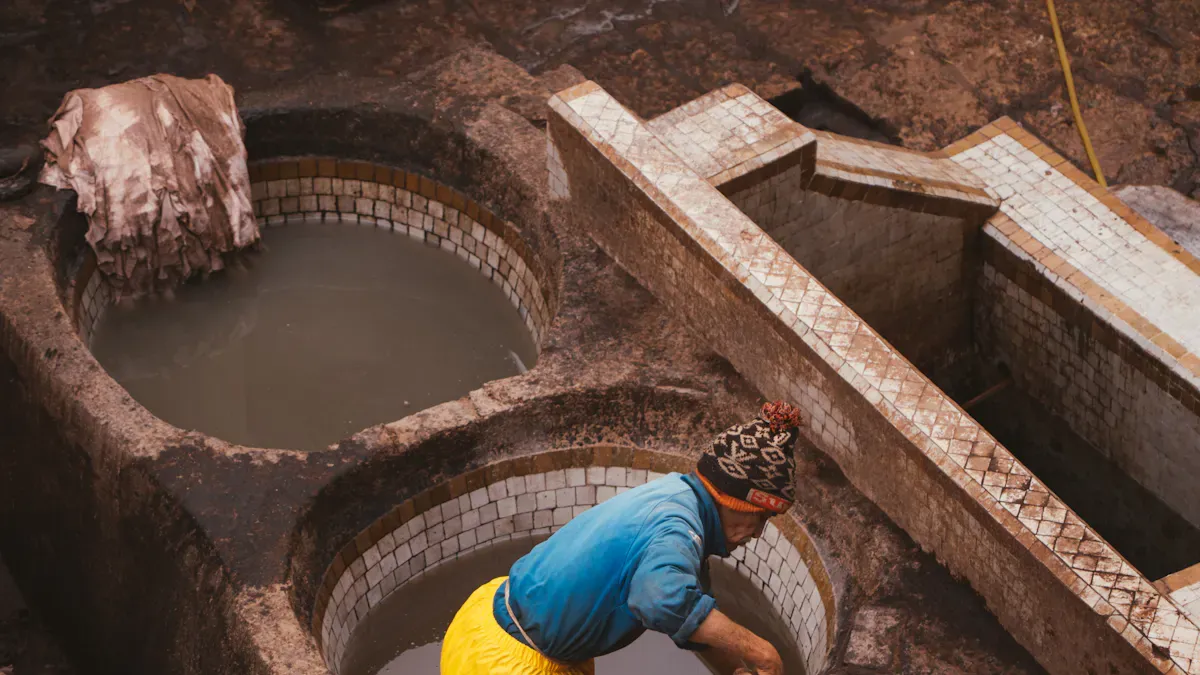
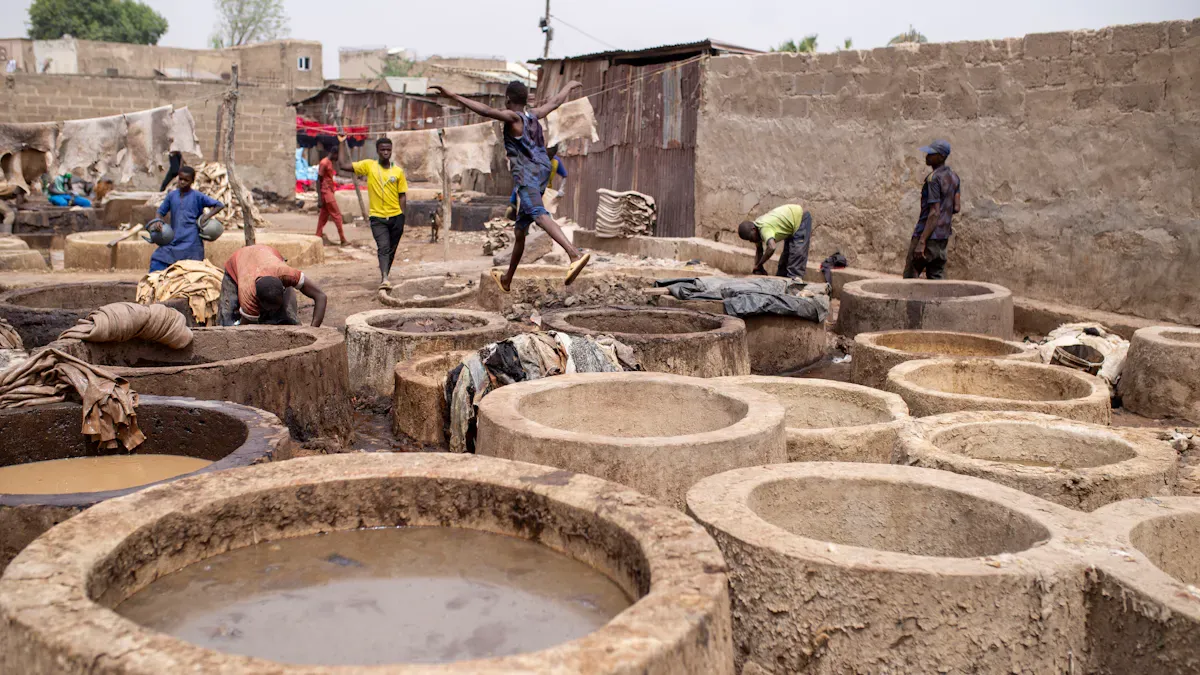
Vegetable tanned leather is made using things from plants. These include oak bark, chestnut wood, and mimosa bark. Tanners use several steps to change raw hides into leather. First, they salt the hides to stop bacteria. Next, they soak the hides in lime to get rid of hair and fat. Then, they treat the hides to lower the pH. After that, the hides go into drums with plant tanning solutions for 30-60 days. The hides dry for a few days. Last, the leather is oiled, stretched, trimmed, and measured.
Tip: The tanning step takes the most time. It can last for weeks. This slow step gives the leather special features.
Properties
Vegetable tanned leather looks and feels natural. It has a rich color that goes from beige to dark brown. The leather smells sweet and nice. It is very strong and can last many years if you care for it. The surface lets air pass through and soaks up moisture and oils. Over time, it forms a patina. This means the leather changes color and gets more character as you use it. Each piece becomes special and shows its quality.
- Durability: Very strong and great for things that last.
- Aroma: Has a sweet leather smell.
- Color: Comes in natural, earthy shades.
- Breathability: Soaks up moisture and forms a patina.
Common Uses
Vegetable tanned leather is used in many strong and stylish products. Its strength makes it good for things you use every day. Some common items are:
- Belts
- Wallets
- Watch straps
- Saddles
- Shoes
- Bags
Many people pick this leather because it is eco-friendly and ages well. When you compare vegetable tanned leather vs chrome, vegetable tanned leather is better for things that need to last and look nicer as they get older.
Chrome Tanned Leather
Tanning Process
Chrome tanning uses chemicals, not plant stuff. This way is much faster than vegetable tanning. Tanneries use chromium salts, like chromium(III) sulfate, to treat hides. These chemicals stick to the collagen in the hide. This makes the leather strong and bendy. Here are the main steps in chrome tanning:
- Clean the hide to remove dirt, flesh, and hair.
- Soak the hide in salt and acid to get it ready.
- Tan the hide with chromium salts. This turns the leather blue-green.
- Make the leather less acidic to balance its pH.
- Add dye and fatliquor for color and softness.
- Dry the leather to take out water.
- Finish by polishing and adding a protective layer.
This process takes only one or two days. When you compare vegetable tanned leather vs chrome, chrome tanning is much faster.
Note: About three out of four pieces of leather today use chrome tanning. This is because it works fast and makes soft, bendy leather.
Properties
Chrome tanned leather is tough and flexible. It does not get damaged by water, heat, or wear easily. The leather feels soft and smooth. It is nice to touch. It keeps its color and does not fade fast. The quick process helps the leather look and feel the same every time.
- Tough and lasts a long time
- Great at resisting water and heat
- Soft and bendy texture
- Keeps its color and does not fade
Common Uses
Chrome tanned leather is used in many things you see every day. Its softness, many colors, and water resistance make it good for fashion and useful items. The table below shows what it is used for and why it works well:
| Common Products Made from Chrome Tanned Leather | Characteristics Supporting Suitability |
|---|---|
| Jackets | Soft and bendy, so they feel comfy |
| Backpacks | Strong for daily use |
| Handbags | Looks nice and keeps its color |
| Upholstered furniture | Stays nice even with water and lots of use |
| Car seats | Comfy and lasts long in busy places |
| Gloves | Easy to move your hands and fits well |
People pick chrome tanned leather for things that need to look nice, feel soft, and last a long time.
Vegetable Tanned Leather vs Chrome: Comparison
Durability & Aging
Both types of leather last many years. Vegetable tanned leather can last for decades if you take care of it. Chrome tanned leather lasts a long time, but not as long as vegetable tanned leather. As leather gets older, the patina changes a lot.
| Time Period | Vegetable Tanned Leather | Chrome Tanned Leather |
|---|---|---|
| 1-3 months | Starts to darken and change | Looks almost the same |
| 6-12 months | Color gets deeper and richer | Gets a little softer and shinier |
| 2-5 years | Patina becomes deep and strong | Shows gentle changes |
| 10+ years | Has a special, unique look | Patina is mild and steady |
Appearance & Patina
Vegetable tanned leather gets a rich patina over time. The color gets darker and the surface looks more interesting. Chrome tanned leather keeps its original look for a long time. Its patina is light and not easy to see.
- Vegetable tanned leather: gets a bold patina and unique look.
- Chrome tanned leather: color stays steady, patina is soft.
Flexibility & Feel
| Attribute | Vegetable-Tanned Leather | Chrome-Tanned Leather |
|---|---|---|
| Flexibility | Not very flexible at first, softens later | Soft and bendy right away |
| Texture & Aroma | Feels firm, smells earthy | Feels smooth, may smell like chemicals |
Vegetable tanned leather feels firmer when you touch it. Chrome tanned leather feels soft and flexible from the start.
Environmental Impact
- Chrome tanning makes lots of chromium waste. Tanneries can waste almost half of the chromium, making tons of solid waste every day.
- Vegetable tanning uses plants. It makes waste that breaks down easily.
If you want to help the environment, vegetable tanned leather is a better pick.
Water Resistance
| Leather Type | Water Resistance Level |
|---|---|
| Vegetable-Tanned Leather | Lower |
| Chrome-Tanned Leather | Higher |
Vegetable tanned leather soaks up water unless treated. Chrome tanned leather keeps water out much better.
Maintenance & Care
- Vegetable tanned leather needs cleaning and conditioning often. You should dust, clean, and condition it every month.
- Chrome tanned leather is easier to care for. It does not need much maintenance.
Cost & Availability
| Leather Type | Price per Square Foot | Tanning Time | Market Share (%) |
|---|---|---|---|
| Vegetable Tanned | $4–$8 | Weeks | 21.4 |
| Chrome Tanned | $2–$5 | 24 hours | 56.8 |
Vegetable tanned leather costs more money. Chrome tanned leather is cheaper and easier to buy.
When you compare vegetable tanned leather vs chrome, you see big differences in patina, flexibility, water resistance, and care. Pick the leather that fits what you want most.
Pros and Cons: Vegetable Tanned Leather
Advantages
Vegetable tanned leather has many good points. The way it is made gives it a nice smell and deep colors. Each piece looks special because of these natural shades. You can smell the earthy scent right away, which makes it more interesting.
- It looks natural and feels special. Over time, it gets a patina that makes it unique.
- It gets softer as it ages and does not crack easily.
- It is better for the environment because it uses plant materials.
Tip: Vegetable tanned leather changes as you use it. The patina gets deeper, so your item looks even better and feels more personal.
- Vegetable tanned leather can last for many years. People use it for things they want to keep for a long time.
- It is very strong and tough, so it works well for many things.
You often see vegetable tanned leather in belts, wallets, and saddles. Many people like it because it is strong and lasts a long time. Choosing this leather helps the environment because it is made from plants. As it gets older, it becomes softer and nicer to use. It does not crack, so your leather stays nice for years.
Disadvantages
Vegetable tanned leather also has some bad sides you should know.
- It does not resist water as well as other leathers made with chemicals.
- Making it uses a lot of water, which can hurt the environment in some places.
- It feels stiff at first, so it is not comfy until it softens.
- It can stain easily if you do not condition and seal it.
- It is stiffer than chrome tanned leather, so people do not use it much for couches or clothes.
- It is heavier, which makes it harder to work with.
You might notice that vegetable tanned leather feels hard when new. It takes time to get soft and comfy. If you use it in wet places, it can get stained or damaged by water. You need to care for it by conditioning and sealing it. The heavy weight makes it tough to use for big projects. It is not the best for jackets or sofas, where you want soft and bendy leather.
Pros and Cons: Chrome Tanned Leather
Advantages
Chrome tanned leather has many good points. It feels soft and bends easily right away. You can use it for jackets, bags, and shoes that need to feel nice. This leather does not soak up water or stains. You do not have to worry about spills or rain. It keeps its shape and color, even in hot weather. Cleaning is simple and does not take much time.
Chrome tanned leather is cheap and easy to find. You can pick from lots of colors and finishes. This makes it great for fashion and design.
Here is a table that lists the main good points:
| Advantage | Description |
|---|---|
| Durability and strength | Handles lots of use and stretching without ripping. |
| Water resistance | Keeps out water, so it works well in wet places. |
| Softness and comfort | Feels gentle and bends, good for things you wear. |
| Versatility in design | Takes dyes and finishes, so you get many styles and colors. |
| Availability and affordability | Easy to buy and costs less than vegetable tanned leather. |
| Consistency and uniformity | Looks and feels the same every time you buy it. |
These good points make chrome tanned leather a smart pick for things you use every day.
Disadvantages
Chrome tanned leather also has some bad sides. You should know these before you choose.
- The tanning process uses chemicals that can hurt nature if not handled right.
- Chrome tanned leather does not last as long as vegetable tanned leather. It may not look as good after some years.
- You cannot tool or stamp chrome tanned leather after it is made, so you cannot change it much.
- This leather does not get a deep patina. It does not age as nicely as vegetable tanned leather.
- Chrome tanned leather can fade if you leave it in the sun for a long time.
- It does not let air pass through well, so some things may not feel comfy.
- Some people can get skin problems from chrome tanned leather.
- Wastewater from chrome tanning can pollute rivers and lakes if not cleaned.
If you care about nature or want leather that changes with age, think about these bad sides.
Choosing the Right Leather
Best Uses
You should pick leather that matches what you need. Each kind of leather works best for certain things. The table below shows which leather is good for each use:
| Leather Type | Best Uses |
|---|---|
| Vegetable-Tanned Leather | Wallets, belts, watch straps, bags, saddles, and items where aging beauty matters. |
| Chrome-Tanned Leather | Garments, upholstery, shoes, bags requiring softness, and high-volume production items. |
Think about it like this: Vegetable-tanned leather is great for handmade goods, wallets, and belts. It is good for things that should last and look better as they get older. Chrome-tanned leather is best for jackets, sofas, and shoes. It is good for things that need to feel soft and look the same for a long time.
Tip: Pick vegetable-tanned if you want your leather to change and show its story. Choose chrome-tanned if you want something soft and easy to care for.
How to Decide
Picking the right leather depends on what is most important to you. Look at the table below to see the main things to compare:
| Factor | Vegetable Tanned Leather | Chrome Tanned Leather |
|---|---|---|
| Intended Use | Best for items requiring a natural finish | Suitable for versatile applications |
| Aesthetic | Develops a unique patina, earthy tones | Offers consistent color options |
| Durability | May require more care, less water-resistant | Known for high durability and water resistance |
| Environmental Impact | More eco-friendly, traditional craftsmanship | Involves chemicals, raising environmental concerns |
| Personal Preferences | Appeals to those valuing sustainability | Preferred for softness and availability |
Ask yourself these questions: Do you want your leather to change and look special as it gets older? Will your item get wet or be used a lot? Is it important for you to help the environment? Do you like leather that feels soft or one that feels strong and firm?
Use your answers and check the table above. This will help you choose the leather that matches your needs and what you care about. 👜👞
How to Identify Each Type
Visual Clues
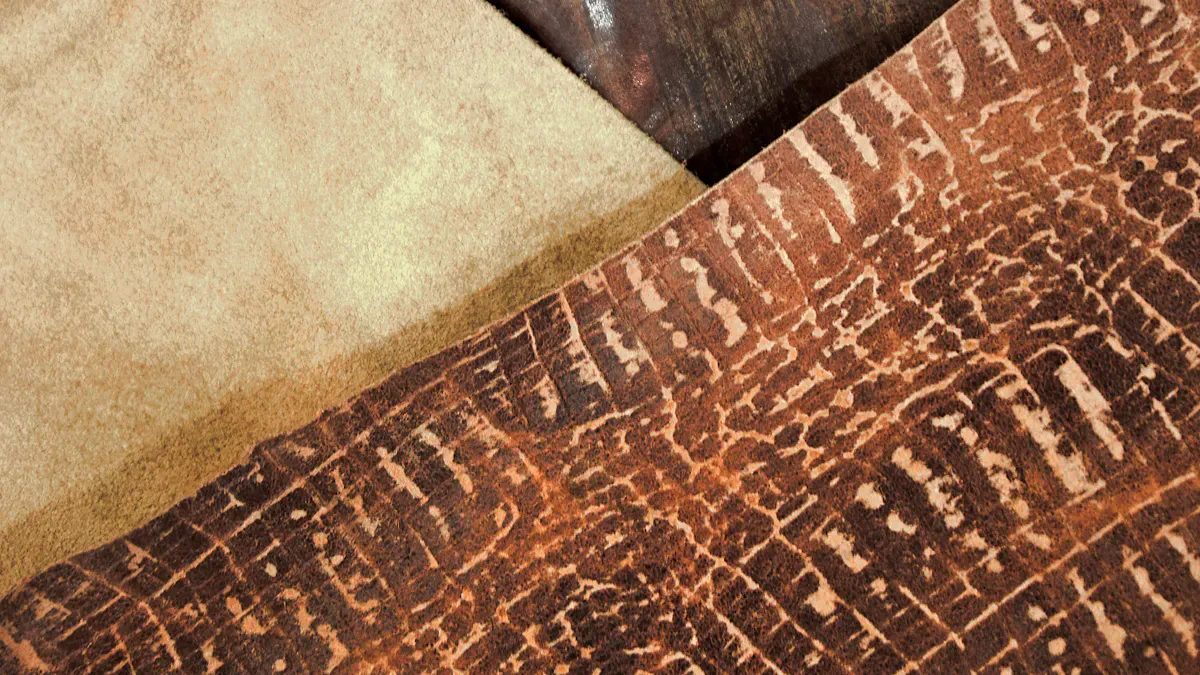
You can spot the difference between vegetable tanned leather and chrome tanned leather by looking closely. Each type shows unique signs. Use your eyes and hands to check these features.
| Characteristic | Vegetable-Tanned Leather | Chrome-Tanned Leather |
|---|---|---|
| Color | Natural tan or brown | Wide range of colors |
| Texture | Firm with visible grain | Soft and uniform |
| Cut Edge Color | Tan or brown all the way through | Blue-gray tint in the center |
| Surface Finish | Slightly uneven, natural look | Very smooth, factory-like finish |
| Pores and Grain | Visible pores and grain patterns | Dyed, vibrant, less visible grain |
You will notice vegetable tanned leather has a natural color. The grain stands out and the surface feels firm. When you look at the cut edge, you see the same tan or brown shade throughout. Chrome tanned leather often shows a blue-gray center at the cut edge. The surface looks smooth and feels soft. You see many colors because chrome tanning allows more dye options.
Tip: Hold the leather and bend it. Vegetable tanned leather feels firmer and may creak. Chrome tanned leather bends easily and feels softer.
Tips for Buyers
You can make smart choices when you buy leather. Use these tips to help you:
- Ask the seller about the tanning process. Sellers should know if the leather is vegetable or chrome tanned.
- Check the cut edge. If you see a blue-gray tint, you likely have chrome tanned leather.
- Smell the leather. Vegetable tanned leather smells earthy and sweet. Chrome tanned leather may smell chemical or neutral.
- Look for natural marks. Vegetable tanned leather shows scars and grain. Chrome tanned leather looks more perfect and uniform.
- Think about your needs. If you want leather that ages well, pick vegetable tanned. If you want soft, colorful leather, choose chrome tanned.
Remember: You can use your senses to spot the right leather. Ask questions and inspect the item before you buy. 🕵️♂️
You now understand the main ways vegetable tanned leather and chrome tanned leather are different. Look at this table to see the most important features:
| Feature | Vegetable-Tanned Leather | Chrome-Tanned Leather |
|---|---|---|
| Quality & Durability | Strong, firm, lets air through | Soft, stays the same, less airy |
| Aging & Patina | Gets a special patina over time | Keeps its original look |
| Environmental Impact | Uses more water, makes natural waste | Made faster, can release toxins |
- Pick vegetable-tanned leather if you want strong leather and a rich patina.
- Choose chrome-tanned leather if you want soft leather and good water resistance.
- Think about what is most important to you: how long it lasts, how it looks, if it is good for the planet, or if it is easy to care for.
You can make the best choice by matching what you need with these features.
FAQ
What is the main difference between vegetable tanned and chrome tanned leather?
Vegetable tanned leather uses tannins from plants. Chrome tanned leather uses chemicals called chromium salts. Vegetable tanned leather changes color as it gets older. Chrome tanned leather stays soft and keeps its color for a long time.
Can you get vegetable tanned leather wet?
Try not to get vegetable tanned leather wet. Water can stain it or make it bend. If it does get wet, dry it slowly. After drying, use conditioner on it. Chrome tanned leather is better with water.
Does vegetable tanned leather smell different from chrome tanned leather?
Yes, they smell different. Vegetable tanned leather smells earthy and natural. Chrome tanned leather smells more like chemicals or nothing at all. You can use your nose to tell them apart.
Which leather is better for the environment?
Vegetable tanned leather is kinder to the planet. It uses natural things and makes less pollution. Chrome tanned leather can hurt water and soil if waste is not handled right.