You want your wallet or card holder to last and look great. For full grain vegetable tanned leather, burnished edge vs edge paint shows a clear winner. You get the best results with a burnished edge. This method brings out the natural beauty of the leather, adds durability, and costs less than edge paint. You can trust burnishing to protect your wallet for years.
Key Takeaways
- Burnished edges make full grain leather look nice and shiny. This makes wallets look neat and fancy. Edge finishing helps protect leather from getting damaged. It helps your wallet last longer and look clean. Burnishing is best for strong vegetable tanned leather. Edge paint gives bright colors for chrome tanned leather. You need to be careful when you finish the edges. Both burnishing and painting need careful steps to work well. Pick burnishing if you want a classic look and long life. Pick edge paint if you want a modern style and fast making.
Why Edge Finishing Is Important for Leather Wallets
Durability and Protection
You want your wallet to last a long time. Edge finishing helps protect the leather edges from damage. If you treat the edges, they will not fray or split. Sanding and sealing makes the edge smooth and strong. This keeps water from getting into the leather. Using leather edge treatment adds extra protection. Over time, this helps your wallet stay nice.
Hand-craftsmanship is very important for finishing work. Some people rush edge finishing and just coat the edges. Others do it right by sanding, burnishing, and sealing with natural finishes. These finishes get harder and smoother as time passes. Good edge finishing stops fraying and keeps the wallet looking good for many years.
You can see a big difference between wallets with finished edges and those without. A wallet with finished edges stays neat and strong. You will not see cracks or peeling. This protects your wallet and lets you use it for a long time.
Aesthetic Impact
Edge finishing also changes how your wallet looks. You will notice the clean lines and smooth feel. Finished edges make the wallet look shiny and neat. You can pick a natural burnished edge or a painted edge for style. Both ways make the wallet look professional.
A good leather edge treatment shows off the quality of full grain leather. You can see the nice color and texture. The wallet stands out and feels good to hold. People often look at the edges to judge leather quality. If you want your wallet to look great, pay attention to the edge treatment.
- Finished edges make the wallet look fancy.
- Smooth edges feel nice and look pretty.
- Good edge finishing shows skill and care.
Burnishing Leather Edges: Process and Benefits
How to Burnish Leather Edges
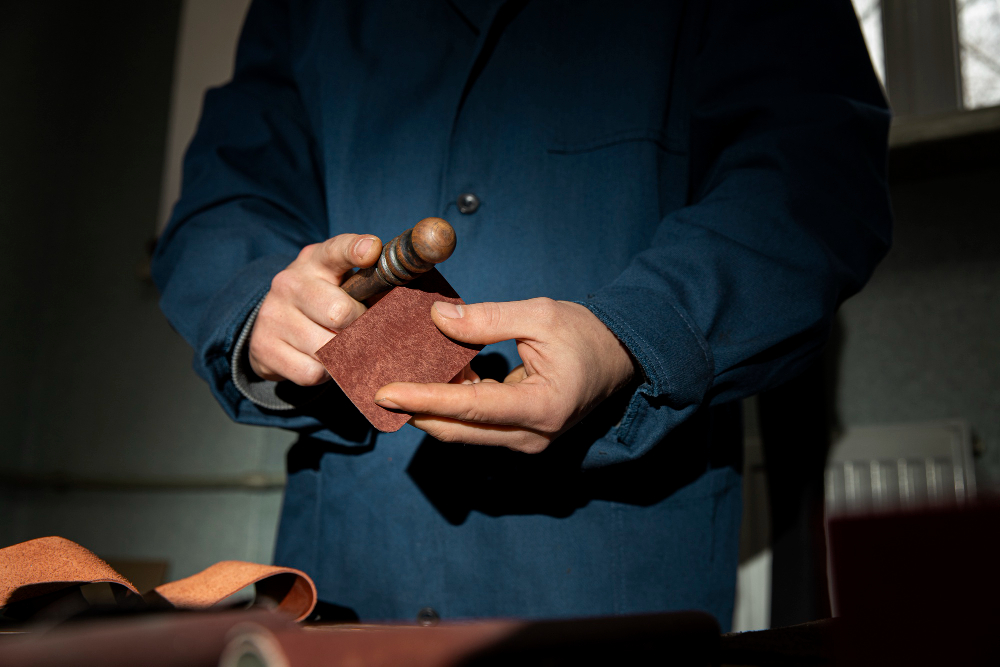
You can make your wallet look and feel better by burnishing leather edges. This process gives you a smooth and shiny edge that lasts. Here is how you can do it:
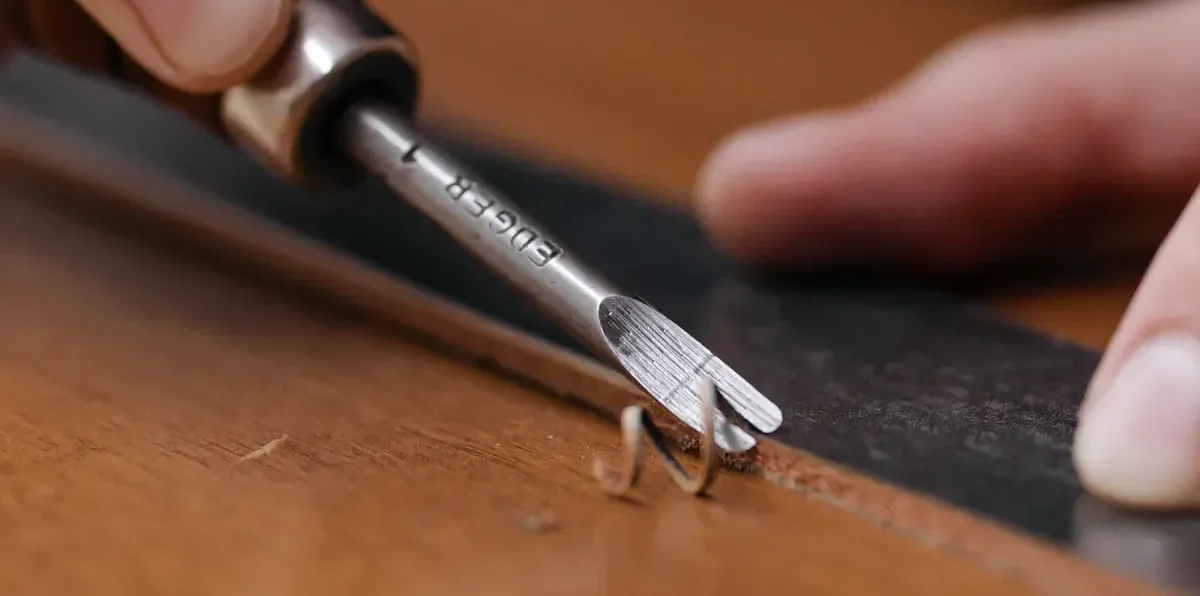
- Prepare the leather. Trim any extra fibers and use an edge beveler to round the corners. This step helps you get a neat edge.
- Sand the edges. Start with medium-grit sandpaper and finish with fine-grit. Sanding makes the edge smooth and ready for the next steps.
- Dampen the edge. Use a cloth with water or a burnishing agent like gum tragacanth. This helps the fibers stick together.
- Use tools for burnishing leather. Rub the edge with a wooden or plastic tool. Move the tool back and forth with steady pressure. The friction makes the edge smooth and shiny.
- Polish the edge. Take a canvas cloth and rub the edge again. This final step gives you a burnished edge that looks professional.
Tip: You can add beeswax or Tokonole for extra shine and protection. These products help seal the edge and keep it smooth.
Results of Burnishing on Vegetable Tanned Leather
When you use burnishing on vegetable tanned leather, you get the best results. The natural fibers in this leather respond well to heat and friction. You will see the edge become smooth, hard, and glossy. The color of the edge gets richer and matches the rest of the wallet.
Burnishing leather edges also makes your wallet stronger. The sealed edge keeps out water and dirt. You will not see fraying or splitting. The wallet stays neat and lasts longer. Many leatherworkers choose leather burnishing for full grain wallets because it shows off the natural beauty of the leather.
You can feel the difference when you touch a burnished edge. It feels smooth and strong. The look is classic and clean. If you want your wallet to look great and last, edge burnishing is the best choice for vegetable tanned leather.
Edge Paint for Leather: Method and Results
How to Apply Edge Paint
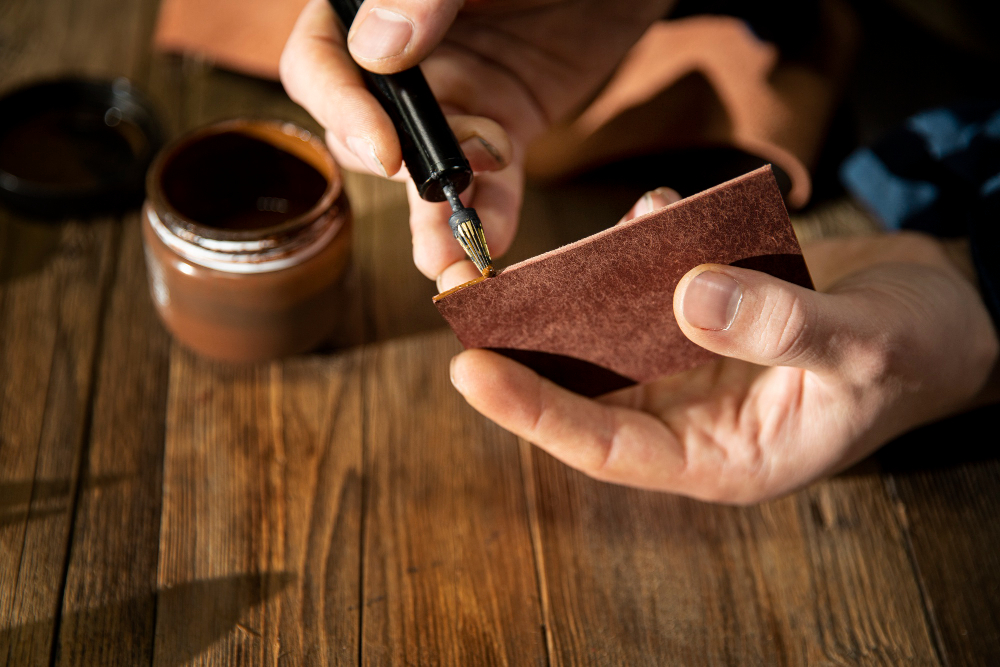
You can use edge paint to finish the edges of your leather wallet. This method gives you a colorful and smooth look. Here is a step-by-step guide to help you get the best results:
- Sand the edges of your leather. Make sure they are smooth and even.
- Apply a thick first coat of edge paint. This layer creates a strong base for the next coats.
- Let the paint dry completely. Do not rush this step.
- Sand the edge again. This makes the surface even smoother.
- Add another layer of edge paint. Repeat the drying and sanding steps for each coat.
- Finish by polishing the edge. Use a soft cloth to make it shine.
Tip: Sanding between each coat helps you get a smooth and professional finish. Drying time is important. If you wait long enough, the paint will stick better.
Edge Paint Results and Suitability
Edge paint gives your wallet a modern and colorful style. You can choose many colors to match your taste. The paint covers the edges and hides the fibers. You get a clean and neat look.
Edge paint works best on chrome tanned leather. This type of leather does not burnish well. The paint seals the edges and keeps them from fraying. Over time, you may see the paint crack or peel, especially if you use your wallet often. Full grain vegetable tanned leather can be burnished for a strong and sealed edge. Chrome tanned leather needs edge paint because it has fibrous edges that do not seal with burnishing.
If you want a wallet with bright edges, edge paint is a good choice. You must be careful with maintenance. Painted edges need touch-ups if they chip or peel. You can use edge paint for style, but burnishing gives you better durability on vegetable tanned leather.
Burnished Edge vs Edge Paint: Key Differences
Durability Comparison
You want your wallet to last a long time. The way you finish the edges matters. Burnished edges are strong and do not chip. Painted edges can crack or peel if bent a lot. Look at the table below to see the differences:
| Feature | Burnished Edges | Painted Edges |
|---|---|---|
| Durability | Age well, do not chip | May crack or peel with flexing |
| Preparation Time | Requires more time and skill | Faster to produce |
| Surface Feel | Smooth and slightly rounded | Smooth but often with sharper corners |
| Flex Resistance | Stay intact under flexing | May show small cracks if poorly applied |
| Thickness of Coating | N/A | Thick layers may indicate poor prep work |
Burnished edges work best on vegetable tanned leather. They make the edge strong and tough. Painted edges are good for chrome tanned leather. They need careful work to look nice. If you want your wallet to last, burnishing is the best choice.
Aesthetic and Style Differences
You care about how your wallet looks and feels. Burnished edges and painted edges look different. Burnished edges show the leather’s natural color and texture. They look shiny and fancy. Painted edges give a modern style. You can pick bright colors and smooth finishes.
- Burnished edges look classic and rich.
- Painted edges look sleek and colorful.
- Burnished edges highlight the quality of leather.
- Painted edges hide the fibers and give a smooth look.
If you want your wallet to show skill, pick burnished edges. Painted edges are good for bold styles or chrome tanned leather.
Maintenance and Longevity
You want your wallet to stay nice. Burnished edges are easy to care for. You can rub them with a tool or use water for shine. Painted edges need more work. You must paint many layers and sand between coats. If the paint cracks, you need to fix it.
Here is a table that shows the maintenance routines:
| Edge Type | Maintenance Routine | Key Characteristics |
|---|---|---|
| Burnished Edges | – Dry Burnishing: Rubbing the edge with a slicker tool intensely. | – Darker, glossier, and more elegant finish. |
| – Wet Burnishing: Applying water or a solution before slicking for a better finish. | – Best suited for vegetable tanned leather as fibers bond beautifully. | |
| Edge Painted Edges | – Applying several layers of special paint to the edges. | – Thick, smooth surface with a flawless finish, popular in luxury handbags. |
| – Sanding between layers to ensure durability. | – Requires careful application to avoid thick, sloppy layers that may crack. |
Burnished edges last longer and need less care. Painted edges need regular touch-ups to stay smooth. If you want easy care and long life, burnishing is best for full grain vegetable tanned leather.
Cost and Time Factors
You want to know how much time and money you will spend. Burnishing by hand takes more time and skill. It costs more for small jobs. Machine painting is faster and cheaper for big jobs.
Here is a table that compares cost factors:
| Method | Cost Factor | Production Context |
|---|---|---|
| Hand-Burnishing | 2-5x higher labor costs | Small-scale production |
| Machine Painting | Lower labor costs, faster throughput | Mass production |
Burnished edges give the best quality for vegetable tanned leather. But you spend more time and money if you make wallets by hand. Painted edges are faster and cheaper with machines. Pick the method that fits your needs and budget.
Tip: If you want quality and natural beauty, burnished edges are worth the work. If you need speed and color, edge paint is better for chrome tanned leather.
Burnished edge vs edge paint gives different results for durability, style, care, and cost. Burnishing is best for full grain vegetable tanned leather. Edge paint is good for chrome tanned leather and fast production. Choose the method that matches your leather and style.
How to Finish Leather Edges for Wallets
Choosing the Right Method for Full Grain Vegetable Tanned Leather
You want your wallet to look professional and last a long time. You should start with full grain vegetable tanned leather. This type of leather gives you the best results for edge finishing. You can achieve a glass-like edge that feels smooth and looks beautiful. The right leather has a medium temper. This means it is not too stiff or too soft. You get a wallet that holds its shape but still feels nice in your hand.
To get a professional finish, follow these best practices:
- Pick full grain vegetable tanned leather for strength and a smooth finish.
- Make sure the leather has a medium temper for the best balance.
- Use proper edge finishing techniques like burnishing to make your wallet stand out.
Burnishing works well for this leather. You use friction and sometimes a little water or wax. The edge becomes shiny and hard. You protect the wallet from wear and water. If you want to know how to finish leather edges, burnishing is the top method for full grain vegetable tanned leather.
Tip: Take your time with each step. Careful work gives you a wallet that looks and feels special.
When to Use Edge Paint Instead
You may find some situations where edge paint works better than burnishing. Thin and very soft leathers do not respond well to burnishing. These leathers include chrome-tanned or exotic types. Edge paint helps you get a smooth finish on uneven edges. You do not need to bevel the edge first. You can layer the paint to fill gaps and make the edge look even. This method is great if you want a glossy and polished look for your wallet.
Edge paint also lets you add color to your wallet. You can match the paint to your style. If you want a modern design or need to cover rough edges, edge paint is a smart choice.
How We Choose Edge Finishing in OEM Leather Production
Handmade vs Mass Production
Handmade wallets use burnished edges for full grain vegetable tanned leather. This makes the wallet strong and helps it last longer. There is no paint to peel off. Burnished edges are best for thick leather, like belts and tough wallets. They look classic and feel natural.
Factories use edge paint for mass production. Edge paint is faster and lets factories match colors exactly. Many wallets look the same because of edge paint. Edge paint can cover up lower-quality materials. But sometimes, the paint cracks after a while. The choice depends on how many wallets are made and what look is wanted.
- Burnished edges are strong and good for thick leather.
- Edge paint is quick, gives even color, and hides flaws.
- Edge paint can crack over time.
Note: Pick burnishing for high-quality leather wallets if you want them to last and look natural. Edge paint is better for making lots of wallets and modern styles.
Brand Style Considerations
Brand style rules are important for edge finishing. Top brands like full grain leather for wallets because it lasts and looks nice. The finishing steps help make the wallet better and fit the brand’s style.
- Edge bevelling makes sharp corners smooth.
- Edge sanding uses sandpaper to smooth the edge.
- Edge dyeing adds color to match or stand out.
- Edge burnishing polishes the edge to make it shiny.
Brands want wallets to show skill and care. Each step makes the wallet look and feel better. Burnished edges show the leather’s natural beauty and make the wallet special. Edge paint looks smooth, but burnishing fits brands that value tradition and skill.
Tip: If you follow brand rules, use burnishing for full grain vegetable tanned leather wallets. This shows the leather’s quality and helps the brand look good.
Common Mistakes in Burnishing Leather Edges and Edge Painting
Burnishing Errors
You want your leather wallet to look smooth and last a long time. Burnishing can help, but you might make mistakes if you rush or skip steps. One common error is not sanding the leather edge enough. If you leave rough spots, the edge will not get shiny or even. You should always trim loose fibers before you start. If you use too much water, the leather can swell and lose its shape. Too little water will not help the fibers stick together.
Another mistake is using the wrong tool or pressing too hard. You can damage the leather or make the edge look uneven. If you skip using beeswax or a burnishing agent, the edge may not seal well. You want to use a canvas cloth or a slicker to finish the job. This gives the edge a nice shine and helps protect it.
Tip: Take your time with each step. A slow and careful process gives you the best results for your leather wallet.
Edge Paint Pitfalls
Painting the edge of your leather wallet can look great, but you need to follow the right steps. Many people forget to start with a trimmed, clean surface. If you skip this, the paint will not stick well. You should use a special agent like fenice to help the paint stay on and harden the edge.
Here are some common mistakes to avoid:
- Not applying thin coats of paint. Thick layers can crack or peel.
- Rushing the drying time. You need to let each coat dry before adding the next.
- Forgetting to sand between coats. This step makes the edge smooth and even.
- Overheating the wax with a heated iron. Too much heat can cause bubbling or burning.
- Not burnishing with canvas or denim after the wax hardens. This can leave the edge sticky.
If you follow these steps, your leather wallet will have a strong and smooth edge. You will avoid cracks, peeling, and sticky spots.
You now know which edge finishing is best for these wallets. Burnishing makes the edge strong and gives a classic look. It gets better as the wallet gets older. Edge paint is good for modern styles or softer leather. Use this table to help you pick:
| Criteria | Choose Burnishing (Natural Finish) | Choose Edge Painting (Modern Look) |
|---|---|---|
| Ideal Leather Type | Firm, vegetable-tanned | Supple, chrome-tanned |
| Final Aesthetic | Natural, polished | Smooth, colorful |
| Best For | Casual, rugged styles | Dress, fashion styles |
| Key Advantage | Ages with product | Full color control |
If you want more tips, go to LeatherSchool for extra help.
FAQ
What is the main benefit of burnishing edges on a wallet?
You get a smooth, shiny edge that feels nice and lasts longer. Burnishing seals the fibers and helps protect your wallet from wear. This method works best for full grain vegetable tanned leather.
Can you use edge paint on all types of wallets?
You can use edge paint on many wallets. It works best on chrome tanned or soft leathers. Edge paint gives you color options and a modern look. You may need to touch up painted edges over time.
How do you fix a cracked painted edge?
You can sand the cracked area gently. Then, apply a thin layer of edge paint. Let it dry before using your wallet again. Repeat if needed for a smooth finish.
Do burnished edges need special care?
You do not need much care for burnished edges. If the edge looks dull, you can rub it with a slicker or a cloth. This keeps the edge shiny and smooth.