You see more leather brands switching to vegetable-tanned leather for their heritage lines. This material is special because it is strong, lasts long, and is good for the planet. Vegetable tanning uses natural things and organic tannins. This way, waste stays safe and breaks down easily. Each piece gets its own look as it ages, making it more beautiful and valuable. Brands are changing because they want to make smart choices and create products that last.
Key Takeaways
- Vegetable-tanned leather is good for the planet and uses natural things. This makes it a smart pick for people who care about the Earth. This leather changes as it gets older and looks better with time. It gets a special look that shows your own story. Picking vegetable-tanned leather helps fair ways of making things and keeps nature safe. Brands that use this leather care about what buyers want. They focus on making good things that do not hurt the planet. Buying vegetable-tanned leather means you get strong items. These items last a long time and are easy to fix.
Why Leather Brands Are Switching
Meeting Modern Demands
People care more about the planet now. They also care about what they buy. Many shoppers want products that fit their values. This change makes brands pick vegetable-tanned leather. More brands use this method because it fits new market needs.
- People want products that are good for the earth.
- Shoppers choose slow fashion and want quality.
- Many avoid bad chemicals in clothes and accessories.
Vegetable-tanned leather uses plant tannins. This process skips harsh chemicals. It is safer for you and the planet. Brands know you want items that last longer. You also want things that look better as they age. Brands see you care about how things are made.
“Vegetable tanning makes leather strong and last long. It lets leather breathe, so it feels nice on your skin.”
The market for vegetable-tanned leather is growing fast. In 2024, it was worth $8.7 billion. Experts think it will reach $13.7 billion by 2033. This growth comes from people who want high-quality, eco-friendly goods. Europe leads, but Asia Pacific is catching up. More city people want better products.
Aligning with Consumer Values
You want to know where your things come from. You also want to know how they are made. Brands switching to vegetable-tanned leather help meet these needs. Brands now focus on:
- Using materials that are good for the earth
- Making supply chains clear and open
- Following rules for ethical production
Brands show their eco-friendly values. They also show their skilled workers. They use vegetable-tanned leather to tell a story. This story is about quality and care. It helps explain why their products cost more.
Here is how shoppers compare chrome-tanned and vegetable-tanned leather:
| Consumer Attitude | Chrome Tanned | Vegetable Tanned | Trend |
|---|---|---|---|
| Environmental Concern | 47% avoid | 78% prefer | ↑ concern |
| Quality Perception | Mixed | Premium | ↑ recognition |
| Willingness to Pay Premium | +$0 | +$50-80 | Stable |
| Purchase Influence | Minor factor | Major factor | ↑ importance |
You care about products that last and are made right. You want things that can be fixed. Vegetable-tanned leather fits these needs. It is natural and good for the planet. Tanneries follow strict rules to make it. This method supports slow fashion. It helps you make smart choices.
- You value:
- Products that last longer
- Quality over having many things
- Ethical ways to get materials
When you pick vegetable-tanned leather, you help brands that care. These brands care about the planet and people. That is why more brands switch to this method for heritage lines.
What Is Vegetable Tanned Leather
Tanning Process Overview
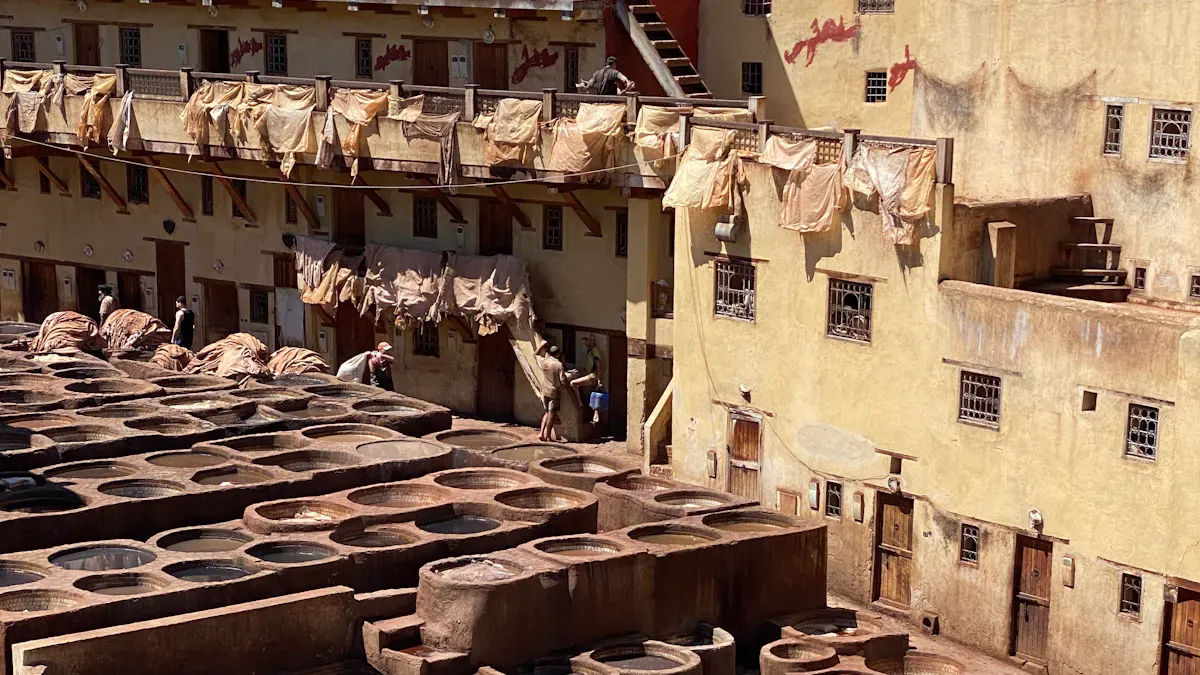
You might wonder how vegetable-tanned leather is made. The process uses tannins from plants like tree bark, leaves, and fruits. Tannins are compounds that change animal hides into strong leather. There are different kinds of tannins, like hydrolysable and condensed tannins. Hydrolysable tannins break down into acids. These acids help make leather tough and last longer.
Vegetable tanning is the oldest way to tan leather. This method takes a long time. It can take weeks or even months. The hides soak in baths with plant extracts. The slow process lets leather breathe and get a special look. Over time, your leather item forms a patina. This means it gets prettier as it ages.
Tip: If you want a bag or wallet that shows your story, pick vegetable-tanned leather. Each piece changes with you and shows your journey.
Comparison with Chrome Tanning
You may see two main types of leather: vegetable-tanned and chrome-tanned. The big difference is the chemicals used and how they affect the planet.
Here is a quick look at how they compare:
| Feature | Vegetable-Tanned Leather | Chrome-Tanned Leather |
|---|---|---|
| Tanning Agent | Natural plant tannins | Chromium (III) sulfate salts |
| Environmental Impact | Low (biodegradable waste) | High (toxic waste) |
| Biodegradability | Slow, non-toxic | Very low, toxic |
| Tanning Time | Weeks to months | One day |
| Leather Qualities | Firm, ages with patina | Soft, stays the same |
You help the planet when you pick vegetable-tanned leather. Studies show chrome tanning makes dangerous wastewater. This waste can hurt rivers and animals. Vegetable tanning makes organic waste. Farmers can use this waste as fertilizer.
- Vegetable tanning uses:
- Tree bark
- Leaves
- Fruits
- Chrome tanning uses:
- Chromium salts
When you choose vegetable-tanned leather, you help keep the planet clean. You also get a product that gets prettier as it ages.
Environmental Benefits
Reduced Chemical Use
When you pick vegetable-tanned leather, you help nature. This method uses tannins from plants like oak and chestnut. These tannins take the place of strong chemicals. Other tanning uses things like chromium salts. Those can pollute water and hurt animals. Vegetable tanning makes waste that breaks down in the ground. Farmers can use this waste to help crops grow. By choosing this leather, you help keep air and water clean.
Note: Vegetable-tanned leather does not give off bad fumes or leave harmful stuff behind. You can use these products every day and feel safe.
Lots of people worry about chemicals in what they wear. You can trust vegetable-tanned leather because it skips the bad stuff. This keeps your skin safe and helps the earth stay healthy.
Ethical and Sustainable Production
You want to buy things that match what you believe. More people now look for items made with care for people and the planet. Leather brands switch to vegetable-tanned leather because they listen to you. They want to give you goods that are made the right way.
The market now cares about eco-friendly materials. More brands show how they make their products. They talk about fair work and using resources wisely. You care about these things, and your choices matter. When you pick vegetable-tanned leather, you help workers and nature.
People like you want products that last and work well. You look for quality and things that do not harm the earth. Brands see this and change how they make leather goods. You help make a better future by picking items that respect people and the planet.
Tip: Ask brands about how they make their products. You can help support good practices with every buy.
Durability
Supple and Comfortable Over Time
You want leather that feels good and lasts a long time. Vegetable-tanned leather gives you both. When you use it, the leather becomes softer and more comfortable. The tanning process makes the leather strong and flexible. Over time, it molds to your shape and habits. You will notice the leather changes color, turning from light tan to rich amber or brown. This change is called a patina. It makes your item look unique and tells your story.
- The leather develops darker tones and a glossy sheen.
- You will see special marks from handling and daily use.
- The fibers compress and bond, making the leather stronger.
Many people love how vegetable-tanned leather ages. It becomes more appealing and personal. Experts say it gets more durable and supple as you use it. You will enjoy your bag, wallet, or belt even more as it gets older.
Tip: If you want a product that gets better with age, choose vegetable-tanned leather. It will feel nicer and look more beautiful every year.
Studies show that the structure of vegetable-tanned leather stays strong over time. The collagen inside the leather remains stable, which helps it last for decades. With care, your leather item can even last for generations.
Moisture Resistance and Repairability
You may wonder how vegetable-tanned leather handles water. This leather does not resist moisture as much as chrome-tanned leather. Studies show that vegetable-tanned leather has a lower shrinkage temperature. This means it can react to heat and water more than other types. You should keep your leather away from too much water.
- Vegetable-tanned leather can handle small spills if you dry it quickly.
- It is easy to repair if it gets scratched or stained.
- You can use leather creams and oils to keep it soft and strong.
If your leather gets wet, let it dry slowly in the air. Do not use heat. You can fix most marks or cracks with simple care. This makes vegetable-tanned leather a smart choice for people who want products that last and can be repaired.
Note: With regular care, your vegetable-tanned leather will stay beautiful and useful for many years.
Heritage Values
Authenticity and Craftsmanship
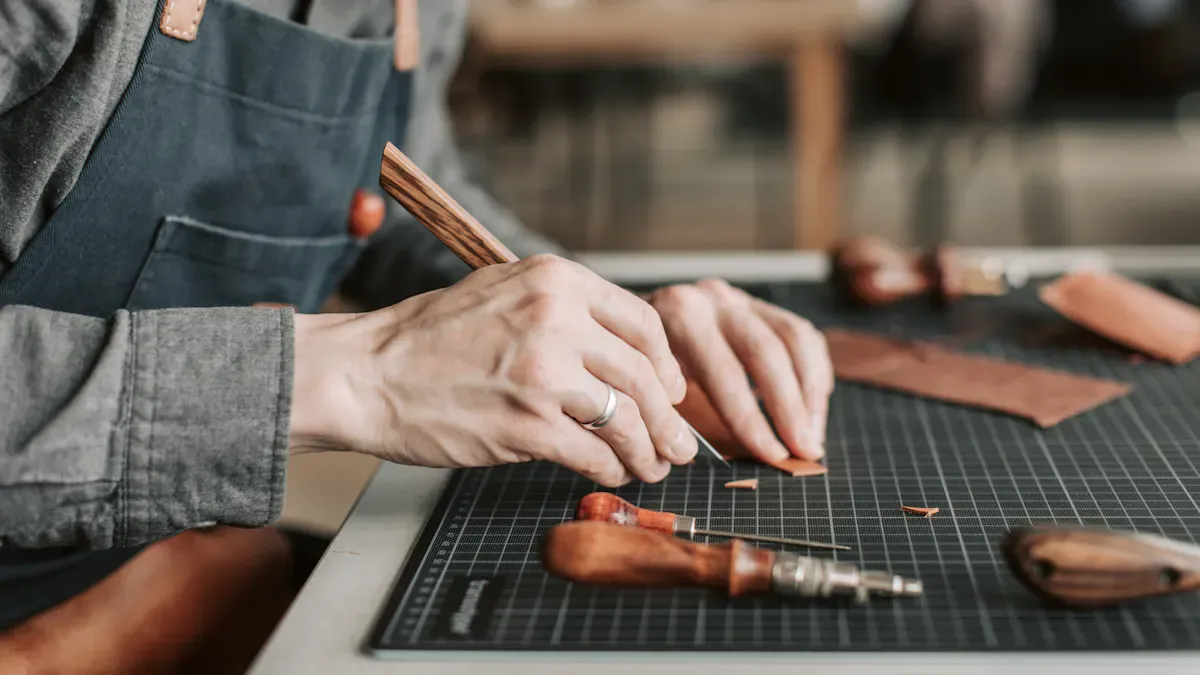
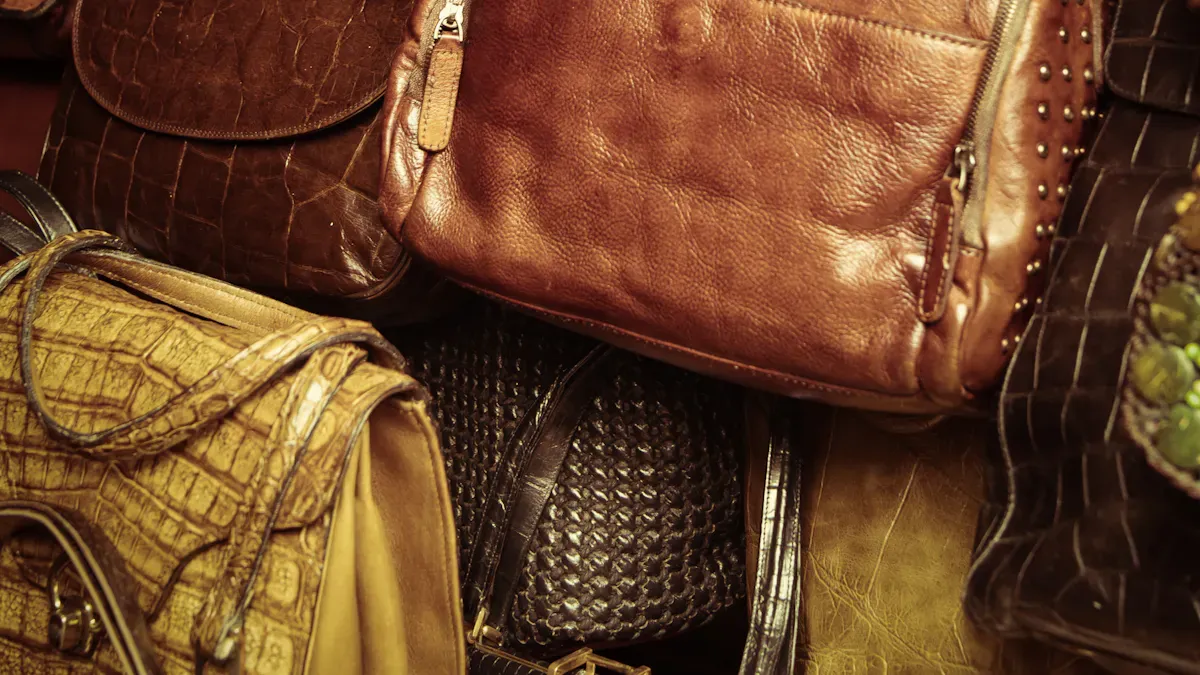
Vegetable-tanned leather stands for real skill. Craftspeople use old methods that have been around for hundreds of years. They soak animal hides in baths with tannins from oak bark and other plants. This process can take many months or even a whole year. Each step needs patience and careful work. The hides move from one bath to another, and each bath has more tannins. There are no heavy metals, so the process is clean and safe. In Italy, people work together to keep these old ways alive.
- Vegetable tanning uses plant tannins and slow steps.
- Craftspeople get tannins by stripping, drying, and working with oak bark.
- The leather gets a special patina as it gets older.
- This way of making leather shows care for quality and history.
Many people call vegetable-tanned leather “real leather.” It is the oldest way to tan leather in Europe. This leather can last for many years and changes color and feel over time. You can see the hard work and patience in every piece.
| Aspect | Description |
|---|---|
| Traditional Production | The method is handed down from parents to children, keeping culture alive. |
| Craftsmanship | Making this leather takes skill, patience, and practice. |
| Unique Aging Characteristics | The leather gets a patina as it ages, showing its story, not like factory leather. |
Storytelling and Brand Identity
You like brands that tell you about their products. Vegetable-tanned leather helps brands share stories and show who they are. The slow tanning gives each item warm colors and a rich patina. You can see the pride and culture from places like Italy, India, Morocco, and Japan in the leather. Craftspeople use plant tannins to show their history.
- Brands show they are real by talking about old methods.
- They talk about being good for the planet.
- They share stories and teach about how things are made.
- Workshops and lessons help you learn more about the process.
You trust brands that show how they care for the earth. Learning about vegetable tanning helps you see why it is special. You like products that last and have a story. Brands that use vegetable-tanned leather show they care about history and quality. You feel close to these brands because they are open and honest.
Tip: Ask where your leather comes from and how to care for it. You will learn the story and skill behind your item.
You see more brands picking vegetable-tanned leather. This leather is better for the planet and lasts longer. It also shows real skill from workers. Now, more than 30% of new leather items use safe tanning agents. Eco-certifications have gone up by 25%. This means more people want products made the right way.
| Certification Type | Description |
|---|---|
| LWG Gold/Silver Rating | Meets high ethical and environmental standards |
| ISO 14001 | Follows strict environmental management |
| REACH Compliance | Uses safe chemicals |
When you buy these products, you help skilled workers. You also help keep the earth safe.
FAQ
What makes vegetable-tanned leather different from other types?
You get leather made with plant-based tannins, not harsh chemicals. This process gives each piece a unique look and helps it age beautifully. You also support safer and more eco-friendly production.
How do you care for vegetable-tanned leather?
You should keep your leather dry and clean. Use a soft cloth to wipe away dirt. Apply natural leather cream or oil to keep it soft. Avoid soaking it in water.
Does vegetable-tanned leather cost more?
You may pay a higher price for vegetable-tanned leather. The process takes longer and uses skilled workers. You get a product that lasts longer and looks better with age.
Is vegetable-tanned leather safe for sensitive skin?
You can trust vegetable-tanned leather for sensitive skin. The process skips toxic chemicals. You avoid harsh residues that may cause irritation.
Can you repair vegetable-tanned leather if it gets scratched?
You can fix small scratches with leather cream or oil. Rub gently with a soft cloth. The leather will blend marks over time, making them part of its story.