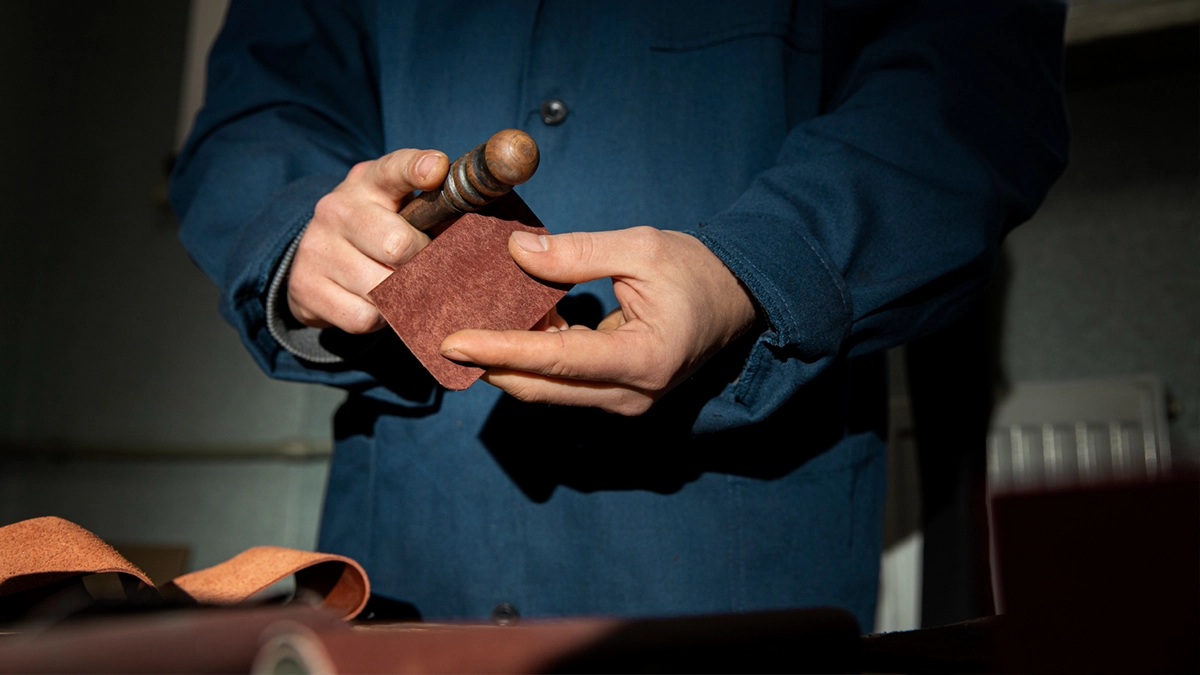
If you want your vegetable-tanned leather to develop a rich leather patina, you need to use it often and handle it with care. Sunlight, air, and even the oils from your hands help the leather darken and change. Water and sunlight can shift the color, making each piece unique. Don’t shy away from letting your leather see the world. Embrace the changes and watch your leather grow more beautiful every day.
Key Takeaways
- Use your vegetable-tanned leather a lot. Touching it often helps it look nicer and gives it more character.
- Let your leather get some sunlight. A few hours each week can make the color deeper but will not hurt it.
- Stick to an easy care routine. Clean it every day and use conditioner once a month. This keeps your leather healthy and looking good.
- Do not use strong chemicals or too much water. These things can damage the leather and mess up the patina.
- Enjoy how your leather changes over time. Every mark and color change shows its story and makes it more beautiful.
Understanding Leather Patina
What Is Leather Patina
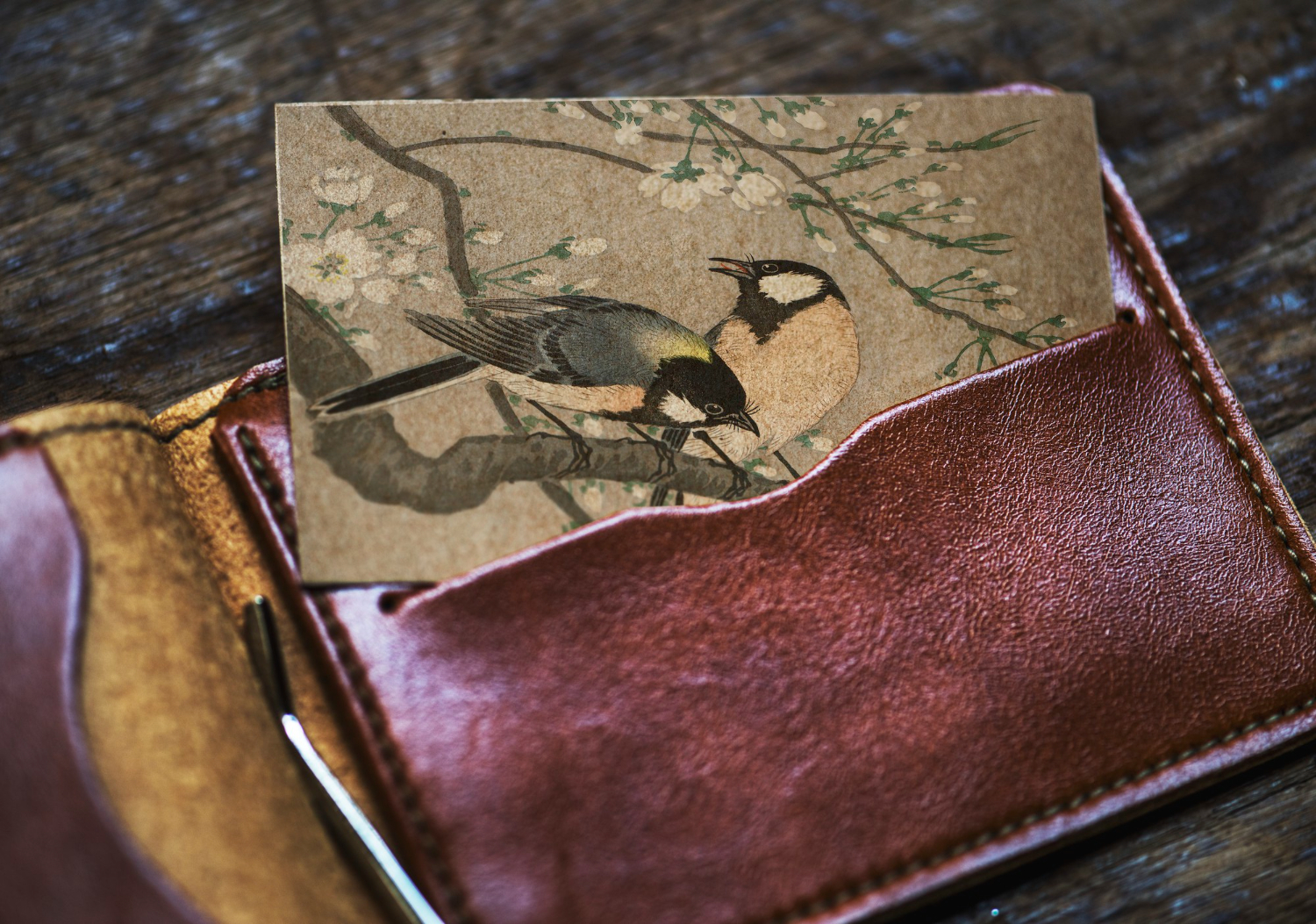
When you use vegetable-tanned leather, it changes as time passes. This change is called leather patina. Patina is a soft shine and deep color that appears as leather gets older. The leather changes because it reacts with things around you.
Here’s how patina forms:
- The tannins in the leather mix with oxygen and sunlight. This is called oxidation. It makes the leather look darker and richer.
- Sunlight and UV rays help change the color. This gives your leather a warm, old look.
- Moisture and oils from your hands get into the leather. These oils make the leather softer and shinier.
- The leather fibers meet things in the environment. This creates special marks and colors.
Leather patina is like a story. Every scratch, touch, and bit of sunlight adds something new. No two pieces will ever look exactly the same.
Why Patina Is Unique to Vegetable-Tanned Leather
Not all leather changes in the same way. Vegetable-tanned leather is special because it uses plant tannins. These tannins react with light, air, and water. This helps the leather patina become deeper and prettier.
Let’s see how different leathers change:
| Type of Leather | Patina Development |
|---|---|
| Vegetable-Tanned Leather | Gets a rich, deep patina over time and looks better. |
| Chrome-Tanned Leather | Stays the same and does not get a patina. |
When you pick vegetable-tanned leather, you get more than just an item. You get something that gets stronger and bends better as it gets older. The patina looks nice and also makes your leather last longer. Many people think leather patina shows good quality and character. It means your leather has been used and tells your own story.
Factors Affecting Patina
Sunlight and UV Exposure
Sunlight is important for how your leather changes. When your vegetable-tanned leather gets sun, it turns darker and richer. UV rays make the patina form faster. This makes your leather look older and special. But too much sun can fade or hurt the leather. Try to give your leather a few hours of soft sunlight each week. This helps the color get deeper without drying or hurting the leather.
Tip: Put your leather near a window with gentle light. Do not leave it outside or in strong sun for a long time.
- UV rays from sunlight help patina grow and darken leather.
- Soft, gentle sunlight is good for making patina.
- Too much strong sunlight can harm the leather.
Oils and Handling
Touching your leather helps the patina grow. The oils from your skin go into the leather. This makes it softer and darker. If you use your wallet or bag a lot, you will see darker spots. These spots are where your hands touch most. Handling your leather often gives it more character.
- A wallet used a lot gets darker from skin oils.
- Spots on a bag get darker where you touch them.
- Oils from your hands make the patina darker.
Moisture and Environment
Humidity and temperature also change how your leather ages. If your leather stays in a place with steady humidity, oils move better. This helps the patina grow well. Too much or too little humidity can change how fast leather ages. Changes in temperature also change how fast patina forms. Sun, wind, and rain all make your patina special.
- Humidity changes how oils move and patina forms.
- Too much or too little humidity changes aging speed.
- Temperature changes how fast patina grows.
- Sun and air make the patina look and feel better.
If you watch these things, your leather patina will become more beautiful and special over time.
Care Routine for Leather Patina
Taking care of your vegetable-tanned leather is not hard, but it does need a little attention. If you want your leather to age well and show off a beautiful patina, you need to follow a simple routine. Let’s break it down into daily, weekly, and seasonal steps.
Daily Care Steps
Think of daily care as a quick check-in with your leather. You don’t need to spend much time, but these small habits make a big difference.
- Wipe your leather gently with a clean, soft cloth to remove dust and dirt.
- Check the edges and seams. They should feel smooth, not sticky or dry.
- Let your leather breathe. Don’t keep it locked away in a drawer all the time.
- If you notice any spots, use a slightly damp cloth (just water, no soap or alcohol) to clean them.
- Handle your leather often. The oils from your hands help the leather patina develop a rich color and soft texture.
- Use your leather every day. Regular use and gentle friction polish the surface and add character.
Tip: Treat daily care like a small ritual. These moments help you slow down and appreciate your leather.
Weekly and Monthly Maintenance
Once a week or once a month, give your leather a little extra love. This helps keep it healthy and looking its best.
- Clean your leather with a soft, dry cloth. Make sure it’s free of dust before you condition it.
- Once a month, apply a small amount of chemical-free conditioner (like Oakwood leather conditioner) using a soft cloth. Use circular motions and cover the whole surface, including hidden folds.
- Use a horsehair brush to work the conditioner into the leather. Move in small circles for even coverage.
- Let the leather sit for about 20 minutes so it can absorb the conditioner.
- Buff the surface lightly with a dry cloth to bring out the natural shine.
- Watch for signs of dryness, cracking, or discoloration. If you see these, condition your leather right away.
You only need a minute for weekly cleaning, but monthly conditioning keeps your leather soft and flexible. This routine helps your leather patina grow deeper and richer over time.
Note: Always use a conditioner that is free from harsh chemicals. Natural conditioners protect and preserve your leather.
Seasonal Deep Conditioning
Every few months, your leather needs a deeper treatment. This keeps it from drying out or cracking, especially when the weather changes.
| Season | Care Method |
|---|---|
| Winter | Wipe away salt stains within 24 hours using a damp cloth. Re-condition to fight dry heat. |
| Summer | Use a dry cloth to wipe down contact points after use in high temperatures. |
- Condition your leather every three to six months. Use a soft cloth to apply the conditioner and let it absorb overnight.
- For deep conditioning, use a conditioner with at least 50% distilled animal oil. This keeps the leather strong and flexible.
- Let your leather dry in a cool, shaded place for 24 hours after conditioning.
Regular deep conditioning helps your leather stay soft and prevents cracks. It also makes the leather patina look even better as the years go by.
Reminder: Don’t over-condition. Too much product can make the leather sticky or dull.
By following these steps, you help your leather age gracefully. Daily use, gentle care, and regular conditioning all work together to create a one-of-a-kind patina. Your leather will tell your story and look better with every passing season.
Protecting Patina and Avoiding Mistakes
What to Avoid
You want your leather to age well, not wear out too soon. Some mistakes can ruin the patina or even damage the leather for good. Here are the top things you should avoid:
- Using Too Much Water: Water can leave stains, cause swelling, or even lead to mold. Always use as little water as possible and let your leather dry naturally.
- Over-Conditioning: Too much conditioner clogs the pores and makes the leather sticky. Stick to a light application every few months.
- Exposing Leather to Direct Sunlight or Heat: Sun and heat dry out the natural oils. This leads to cracks and fading. Keep your leather away from heaters, hair dryers, and direct sunlight.
- Storing in Plastic Bags: Leather needs to breathe. Plastic traps moisture, which can cause odor and mildew. Use a cotton dust bag or pillowcase instead.
- Using Harsh Cleaners: Household cleaners, alcohol, or baby wipes strip away the natural finish. Always use products made for leather.
Tip: If you want to keep your patina looking great, less is more. Gentle care always wins.
Troubleshooting Common Issues
Even with the best care, problems can pop up. Here’s how you can handle the most common ones:
- Mold: Wipe mold spots with a cotton cloth dampened with 75% medical alcohol. Let the leather dry, then apply a little conditioner. If the mold is severe, you may need professional help.
- Hardening: If your leather feels stiff, rub in small amounts of oil a few times. Wrap it in plastic overnight to help soften it.
- Dye Stains: Use a leather deglazer for spot treatment. Be careful—this can change the look of your patina.
- Water Stains: Light water marks usually fade as the leather dries. For bigger stains, gently blend the edges with a damp cloth. If the stain is old, accept it as part of your leather’s story.
- Oil Stains: Sprinkle cornstarch or talcum powder on the spot. Let it sit for a few hours, then brush it off.
A healthy patina glows and feels alive. If your leather looks dull or thirsty, it may need a little more care. Remember, every mark adds character, but you can fix most issues with patience and the right touch.
Tools and Products for Patina Care
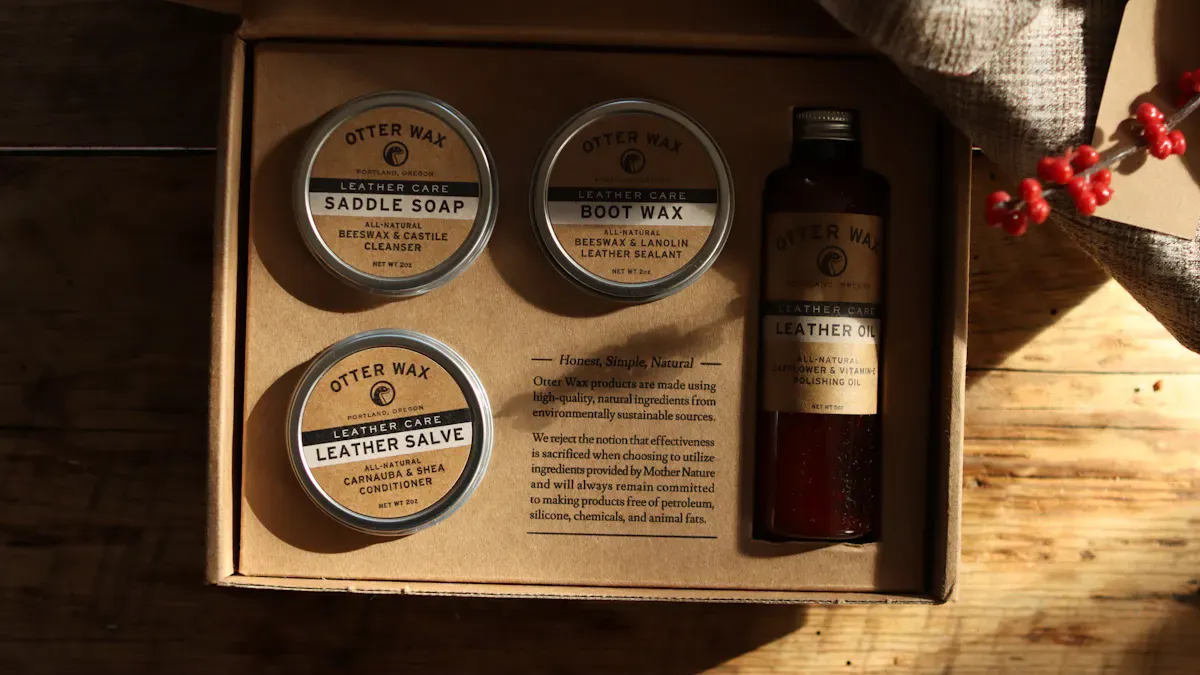
Cleaning Essentials
You want your leather to look its best, so you need the right cleaning tools. Start with a soft microfiber cloth. This cloth works well for wiping away dust and dirt every day. If your leather gets a little dirty, dampen the cloth with de-ionized water. This gentle method keeps the leather clean without harming the patina.
Sometimes, you might see a stubborn spot. In that case, use a tiny bit of pH-balanced saddle soap. Always test it on a hidden area first. You do not want to risk changing the color or texture. Avoid hard brushes because they can scratch the surface and make your leather look worn out. Let your leather air dry after cleaning, but keep it away from direct sunlight.
Tip: Stick to a regular cleaning schedule. This habit helps prevent damage and keeps your leather’s natural patina looking great.
Stay away from harsh cleaners, synthetic sprays, or waxes. These products can strip away the oils your leather needs. If you use them, your leather might dry out, crack, or lose its beautiful patina.
Conditioning Products
Conditioning is just as important as cleaning. You want your leather to stay soft and flexible, so pick the right products. Natural conditioners work best for vegetable-tanned leather. They help the leather breathe and absorb moisture, which is key for a rich patina.
Here are some top choices:
- Pure Neatsfoot Oil: Great for dry leather. It hydrates deeply and darkens the color by a few shades.
- Leather Creams: These creams nourish the leather and keep it soft. They do not change the color much, so they are good for regular care.
- Beeswax-Based Finishes: These finishes add a water-resistant layer. They work well for items you use a lot.
Note: Do not over-condition. Too much product can clog the pores and flatten the texture.
Natural conditioners help your leather age beautifully. They boost the color and texture, making the patina stand out. Regular care with the right products keeps your leather strong and full of character.
You can help your vegetable-tanned leather develop a beautiful patina by using it often, storing it in a cool, dry place, and handling it with care. Over time, you’ll see the leather darken and shine, which shows its quality. Remember, patina is not damage—it’s a sign of good aging. Use a light, natural conditioner and let your leather enjoy a bit of sunlight. Start your care routine today and watch your leather tell its own story.
FAQ
How often should you condition vegetable-tanned leather?
You should condition your leather every three to six months. If your leather feels dry or stiff, add a little conditioner sooner. Regular conditioning keeps your leather soft and helps the patina look rich.
Can you speed up the patina process?
You can speed up patina by using your leather often and letting it see gentle sunlight. Oils from your hands and daily handling help the color deepen. Avoid harsh chemicals or strong sunlight, which can damage the leather.
What should you do if your leather gets wet?
Blot the water with a soft cloth. Let your leather air dry in a cool place. Do not use heat or direct sunlight. Once dry, check for dryness and condition if needed.
Is it okay to use household cleaners on vegetable-tanned leather?
You should not use household cleaners. They can strip away natural oils and damage the finish. Stick to products made for leather care. Use a soft cloth and gentle, pH-balanced soap if needed.
Will scratches ruin the patina?
Scratches add character to your leather. Most marks blend into the patina over time. If you want to soften a scratch, rub it gently with your finger. The oils help the leather heal and look better.