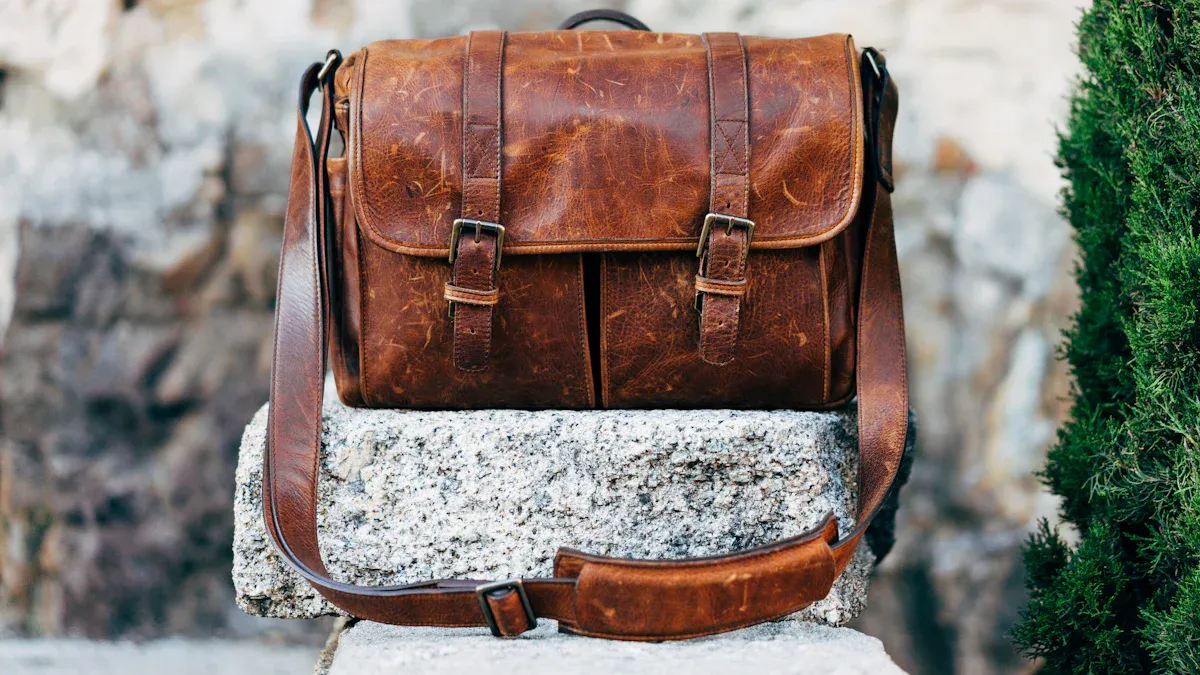
When you choose leather for belts, wallets, or bags, you make a decision that shapes the final product. Each area of full grain leather has unique fiber density and flexibility. You cannot expect the same results from every part of the hide. If you want consistent quality, you must learn how leather structure changes across the hide. Professional makers study each hide to match the right leather cut to the right use. This careful approach helps you create leather goods that last.
Key Takeaways
- Pick leather from the bend or butt for belts. These parts are strong and last a long time.
- Choose shoulder leather for wallets. It is flexible and strong, so wallets last longer.
- Use belly leather for decorations or linings. Belly leather is soft and stretches more. It is not good for things that need to be strong.
- Always check the grain and feel before you buy leather. This helps you get real, high-quality leather.
- Match the leather cut to what you want to make. This keeps your leather items strong and in good shape.
Full Grain Leather Hide Structure
Main Hide Areas: Bend, Shoulder, Belly, Butt
When you look at a full grain leather hide, you see four main areas: bend, shoulder, belly, and butt. Each area has its own structure and use in leather goods. The bend is the thickest and firmest part. You find it near the backbone. This area is 2-4 ounces thicker than other parts. It gives you the best durability for products that need to last. The shoulder sits next to the bend. It offers a balance of strength and flexibility. The belly is softer and has looser fibers. Many people think of the belly as waste, but you can use it for items that do not need high strength. The butt is also thick and strong, making it a good choice for products that must handle stress.
Here is a table to help you compare these areas:
| Area | Characteristics |
|---|---|
| Bend | Thickest and firmest part of hide, 2-4 ounces thicker than the rest, best for durability. |
| Shoulder | Balanced density and flexibility, good for many types of leather goods. |
| Belly | Softer and looser fibers, often considered waste but useful for various purposes. |
| Butt | Thick and strong, supports high-stress applications. |
Fiber Density and Grain Patterns
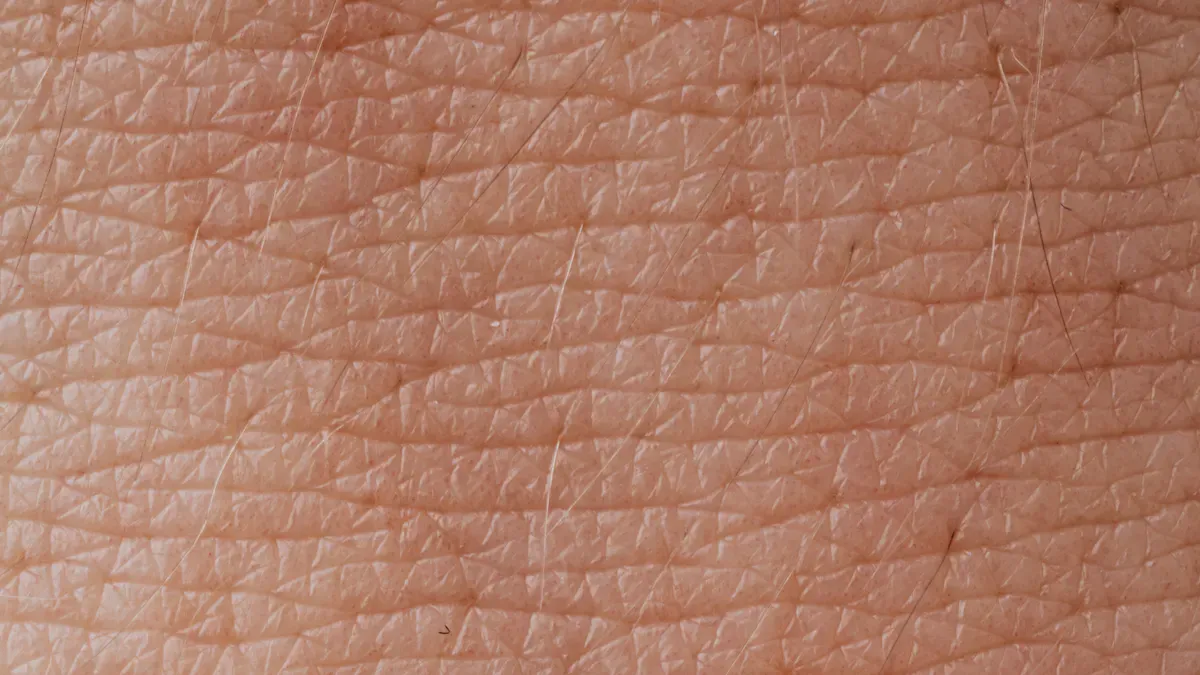
You can see and feel the difference in fiber density and grain patterns across a full grain leather hide. The outermost layer keeps the natural grain, which is the strongest part. Each piece of leather is unique. You may notice scars, wrinkles, or marks from the animal’s life. These natural features add character and show the quality of the leather. The environment and treatment of the animal also change the look and feel of the hide. Free-roaming cattle and colder climates often produce better hides.
- Full grain leather keeps the natural grain from the outer layer.
- Every hide has unique markings like scars and wrinkles.
- The animal’s environment and treatment affect grain patterns.
Tip: When you choose leather, look for clear grain and tight fibers. These signs point to higher quality and better durability.
The age and breed of the animal, as well as the tanning process, also affect the density and quality of each area. Suppliers must track chemical exposure to keep the leather safe and strong. You get the best results when you match the right part of the hide to the right product.
Density and Durability by Hide Area
Knowing how leather is made helps you pick the right kind for your project. Each part of the hide has special features. These features change how strong, bendy, or tough the leather is. You can see these changes in full grain leather. This type keeps its natural grain and fiber structure. When you learn about making leather, you find out how each area’s density changes the final product.
Bend and Butt: High Density, Maximum Durability
The bend and butt are the densest parts of the hide. These areas are close to the animal’s backbone and rear. Here, the collagen fibers are packed tightly together. This makes these parts very strong and tough. Items made from these areas stay flat and straight for a long time.
The bend and butt have tightly packed collagen fibers. This gives them the most strength and the least stretch. Belts made from these parts stay flat and do not warp. This is important for keeping things strong and in shape.
You should use the bend and butt for things that need to be strong, like belts and straps. Leather from these parts lasts longer and keeps its shape better. These areas are best for heavy-duty uses. You get the best results when you use these dense parts for strong products.
Shoulder: Balanced Density and Flexibility
The shoulder part of the hide is both strong and flexible. It sits next to the bend. The fibers here are solid but can still bend. This makes the shoulder good for things that need to be tough but also able to move.
The shoulder is firm but can bend and change shape. This means it is not as stiff as the bend or butt. It is also not as soft as the belly. The shoulder is known for being strong but still easy to work with.
Leather from the shoulder is firm but can bend. This is different from the belly, which is softer and stretches more. The shoulder does not have a set flexibility rating, but it is known for being solid and bendy.
- The shoulder is strong and thick.
- This makes it last longer and good for tough jobs.
You can use shoulder leather for wallets, bags, and other things that need to be both strong and flexible. The shoulder works for many uses. You get good results when you pick the shoulder for items that need both strength and movement.
Belly: Low Density, More Stretch
The belly is the softest and stretchiest part of the hide. The fibers here are loose and not packed tightly. This means belly leather can stretch and change shape more easily.
- Belly leather stretches more than other parts.
- It is good for things that do not need to be too strong.
- People say belly leather stretches more than leather from the back.
You should use belly leather for things that do not need to be very tough. It works well for decorations or parts that do not get used a lot. In making leather goods, belly leather is good for lining or small details. You get more stretch but less strength from this part. The belly is not the best for things that need to be strong.
When you know how each part of the hide works, you can make better choices. You can make stronger and longer-lasting products by picking the right part for each job. Full grain leather works best when you use each area for what it does best.
Impact on Leather Product Quality
Belts: Strength and Durability Needs
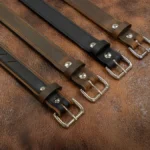
You want your belt to last. The area of the hide you choose makes a big difference. Full grain leather from the bend and butt gives you the highest fiber density. This dense structure lets the belt flex without cracking. It also resists stretching at stress points, like the buckle. Lower-grade leathers do not have this strength. They crack and stretch much faster. When you use full grain leather, you get a belt that keeps its shape and stays strong for years.
The durability of a belt depends on the hide area. The bend and butt have tightly packed fibers. These fibers help the belt resist wear and tear. You see fewer cracks and less stretching over time. High-quality leather belts made from these areas offer the best performance. You can trust them to handle daily use.
Tip: If you want a belt that lasts, look for full grain leather from the bend or butt. These areas give you the best durability and strength.
Wallets: Flexibility and Quality Balance
Wallets need to bend and fold many times each day. You want leather that feels soft but stays strong. The shoulder area of the hide gives you this balance. It has solid fibers but also allows for movement. Full grain leather from the shoulder works well for wallets. It offers durability and develops a rich patina as you use it.
Wallets require a medium temper. This means the leather is not too stiff or too soft. The right thickness for a wallet is about 1.4–1.6 mm. This thickness keeps the wallet in shape and protects your cards and cash. It also lets the wallet fold easily. You get a wallet that feels comfortable and lasts longer.
Full grain leather wallets made from the shoulder area show fewer signs of wear. They keep their structure and look good over time. You see the quality in the way the leather ages. The patina adds character and shows the wallet’s durability.
- Choose full grain leather from the shoulder for wallets.
- Look for a thickness of 1.4–1.6 mm.
- Medium temper gives you the best balance of flexibility and durability.
Bags: Mixed Use and Wear Resistance
Bags need to handle many tasks. You carry them every day. They must resist abrasion and keep their shape. The butt and shoulder areas of the hide are best for bags. The butt gives stability. The shoulder adds elasticity. These qualities help the bag adapt to movement and stay strong.
High-quality leather bags use these hide areas for a reason. The butt area keeps the bag firm. The shoulder lets the bag move without losing shape. You see luxury and durability in these bags. They look good and last a long time.
Different types of leather also affect abrasion resistance. Here is a table to show how various hides perform:
| Type of Leather | Characteristics | Abrasion Resistance | Use Cases |
|---|---|---|---|
| Cow Hide | Soft, thick | Good | Heavy duty wear, bags |
| Buffalo Hide | Stiffer, deeper patterns | Very durable | Vests, jackets, bags |
| Deer Skin | Soft, spongy | High tensile strength | Handbags, wallets |
| Goat Skin | Smooth, fine grain | Tougher than cow | Clothes, bags |
You want your bag to resist scratches and wear. The right hide area and leather type help you achieve this. Bags made from full grain leather show fewer signs of abrasion. They keep their quality and durability even after years of use.
Note: When you select leather for a bag, check the hide area and grain. The butt and shoulder give you the best mix of durability and flexibility.
Selecting the Right Full-Grain Leather Cut
Identifying Hide Areas for Product Quality
You can spot the best parts of full grain leather by looking at the density and grain. Start by feeling the hide. The bend and butt feel firm and thick. These areas show tight grain patterns and fewer wrinkles. The shoulder feels a bit softer but still strong. The belly feels loose and stretches more. You can see the difference in the grain. The bend and butt have a fine, even grain. The belly shows more stretch marks and uneven patterns.
Professionals use special methods to check grain and density. They may use marker-based watershed algorithms to separate grain areas. This helps them see each grain boundary. They also look at thermodynamic and structural features to compare different parts of the hide. These steps help you find the best area for each application. You get better leather quality when you match the right area to the right use.
You should always check the grain and feel the hide before you choose. This helps you avoid mistakes. Some buyers only look at online images. You need to handle the leather in person. This lets you see the real quality and finishes. You can spot genuine leather by its natural grain and patina. Premium hides show fewer flaws and better finishes.
Tips for Buyers and Makers
You want your leather goods to last. Here are some tips for matching hide areas to applications:
- Use the bend and butt for belts and straps. These areas give you maximum durability and premium finishes.
- Pick the shoulder for wallets and small bags. The shoulder offers a balance of flexibility and strength. It develops a rich patina over time.
- Choose the belly for linings or decorative applications. The belly works for parts that do not need high durability.
- Always check for genuine leather labels. Look for details about the grade and finishes.
- Handle the hide to check for premium quality and luxury feel. Do not rely only on photos.
- Match the thickness and grain to your application. This helps you get the best patina and durability.
Tip: Avoid common mistakes. Do not ignore the long-term value of genuine full-grain leather. Always match the hide area to the application for the best results.
You can create luxury goods with the right full-grain cut. The right choice gives you premium finishes, strong patina, and lasting quality. You get the best applications of leather when you know how to select and use each part of the hide. This knowledge helps you deliver premium, luxury, and genuine leather goods for every application.
You can now understand how each part of the hide changes leather. The area affects how strong, bendy, and nice the leather looks. If you pick full grain leather with good density, it lasts longer. It also makes your leather goods better quality. Experts check hides carefully to keep products the same every time. They use special checks, rules, and tests to make sure of this. There are industry rules like ASTM D2209 and ISO 3376. These rules help people measure how strong the leather is and what the grain looks like. You can use this information to pick the best leather for belts, wallets, and bags.
| Practice | Description |
|---|---|
| Skilled Inspection | Makes leather products better and customers happier. |
| Standardized Procedures | Helps find problems and keeps every batch high quality. |
FAQ
What is the best part of the hide for making belts?
You get the best belts from the bend or butt. These areas have the highest fiber density. They give your belt strength, shape, and long-lasting durability.
How can you tell which part of the hide you have?
You can check the thickness and feel. The bend feels firm and thick. The belly feels soft and stretchy. The shoulder sits in between. Look for tight grain patterns in the bend and butt.
Why does fiber density matter for leather goods?
Fiber density affects strength, stretch, and wear resistance. High-density leather lasts longer and holds shape better. Low-density leather stretches more and wears out faster.
Tip: Always match the fiber density to your product’s needs for the best results.
Which hide area should you use for wallets?
You should use the shoulder. It gives you a balance of flexibility and strength. Wallets need to bend often but also keep their shape.
| Hide Area | Best Use |
|---|---|
| Bend/Butt | Belts, straps |
| Shoulder | Wallets, bags |
| Belly | Linings |