Ever found yourself standing in a store, unsure which is better for you when considering top grain leather vs full grain leather? You want something that lasts, looks great, and fits your budget. When you weigh top grain leather vs full grain leather, the answer depends on what matters most to you. If you value natural texture and long life, full grain leather stands out. If you prefer a smoother look and easier care, top grain leather may work better. Understanding the differences between top grain leather vs full grain leather helps you make a smart choice.
Key Takeaways
- Full grain leather is very strong and lasts a long time. It gets a special look as it ages, so it is good for things you want to keep for years.
- Top grain leather looks smooth and shiny. It is simple to clean, so it works well if you are busy.
- Think about how much money you want to spend. Full grain leather costs more but stays nice longer. Top grain leather is cheaper and still good quality.
- If you want leather furniture, think about how much care it needs. Full grain leather needs more care than top grain leather.
- You can tell leather types by how they feel. Full grain leather has natural marks. Top grain leather feels smooth and looks the same all over.
Top Grain Leather vs Full Grain Leather Overview
Key Differences
When you look at top grain leather and full grain leather, you can spot some big differences. Full grain leather keeps the whole grain layer from the hide. This makes it show natural marks and textures. Each piece looks a little different. Top grain leather gets sanded to take away flaws. This makes it look smooth and even.
Full grain leather is very strong and lasts a long time. It keeps its tough fibers, so it can last for decades. Top grain leather is still strong, but sanding makes it a bit weaker. It usually lasts 15 to 25 years, while full grain leather can last over 25 years.
Full grain leather lets air move through it better. It also keeps water out more because the grain is not changed. Top grain leather loses some of these things after sanding. It does not breathe as well and does not keep water out as much.
Full grain leather costs more money. You pay extra for its natural look and strength. Top grain leather is cheaper, so many people pick it.
Tip: Pick full grain leather if you want it to age nicely and get a cool patina. If you want something smooth and easy to care for, top grain leather is a good pick.
Comparison Table
Here is a table to help you see the main differences between top grain leather and full grain leather:
| Feature | Full Grain Leather | Top Grain Leather |
|---|---|---|
| Durability (Years) | 25-30+ (very high, resists wear) | 15-25 (good, but less than full grain) |
| Appearance | Natural texture, visible marks and imperfections | Smooth, uniform, fewer natural marks |
| Breathability | Superior, allows more airflow | Reduced, less breathable |
| Water Resistance | Higher, retains natural grain surface | Lower, surface is altered |
| Price Range | $200 to $500+ (bags, furniture) | $100 to $300 (bags, jackets, furniture) |
| Grain Visibility | Retains natural grain and markings | Sanded, less visible grain |
| Finish | Textured, organic look | Consistent, polished look |
You can use this table to help you choose the right leather. Full grain leather is best if you want it to last long and show character. Top grain leather is good if you want it smooth and for a lower price.
What is Full Grain Leather
Definition & Features
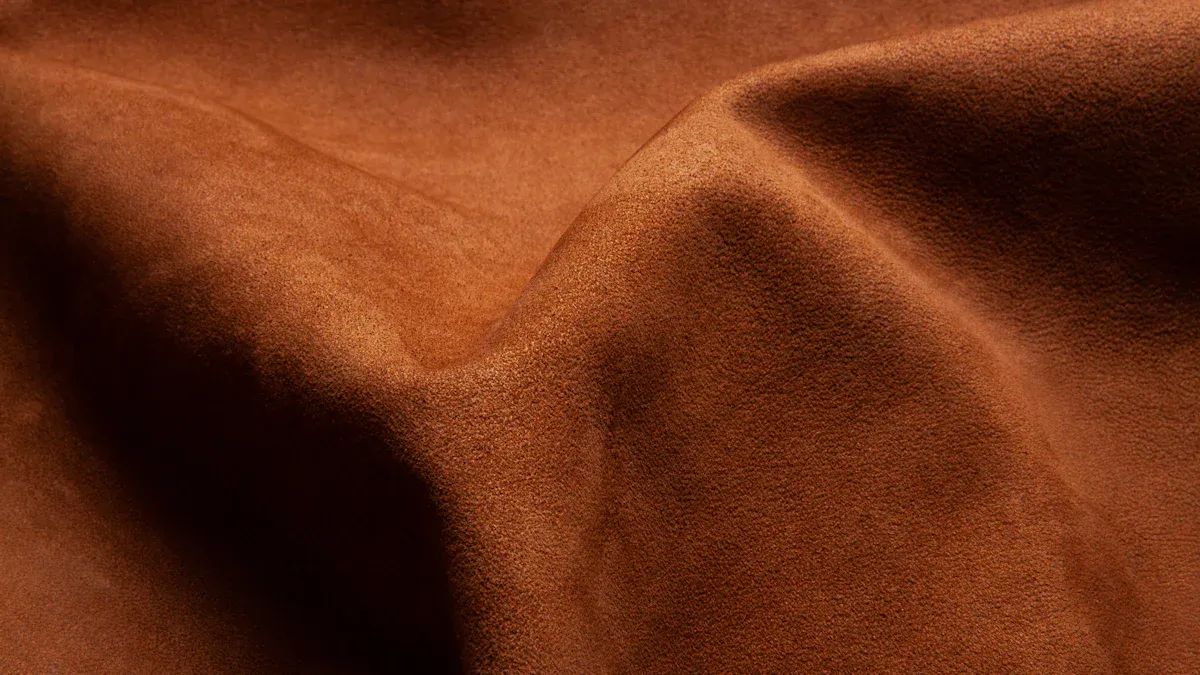
You might wonder what makes full grain leather so special. This type of leather comes from the very top layer of the animal hide. It keeps all the natural grain, which means it holds onto the strongest fibers. You get a material that feels tough and lasts for many years. Each piece of full grain leather looks unique because it shows natural scars and marks from the animal’s life. These features give your leather goods a one-of-a-kind look and help them age beautifully.
- Full grain leather keeps the full grain of the hide, including the strongest fibers.
- It stands out as stronger and more durable than other types of leather.
- Natural scars and blemishes add to its unique appearance and long life.
Note: When you compare top grain leather vs full grain leather, you will notice that full grain leather keeps more of the hide’s original strength and character.
How It’s Made
You can see the quality of full grain leather in the way it is made. The process uses careful steps to protect the natural grain and make sure the leather stays strong and beautiful.
- Skilled workers select the best hides. The quality of the hide shapes the final product.
- The hides go through soaking, washing, liming, bating, and pickling. These steps clean and prepare the hides for tanning.
- Tanning comes next. Many makers use vegetable tanning because it is eco-friendly and gives great results.
- After tanning, the leather gets retanned, dyed, and treated with oils. This keeps it soft, adds color, and helps it resist water.
- The leather dries in a controlled way. This step keeps it from getting stiff.
- Finally, workers finish the leather by adding dyes or coatings. This step boosts both the look and the durability.
You can trust that full grain leather, made with care, will last and look better as it ages.
What is Top Grain Leather
Definition & Features
You see top grain leather in many high-quality products. This leather comes from the outer layer of the hide, just below the very top. Makers sand and buff the surface to remove scars and marks. This process gives you a smooth and even look. You often find this leather in luxury bags, shoes, and furniture.
- Top grain leather feels soft and flexible.
- The surface looks uniform, with fewer natural imperfections.
- It takes dye well, so you see many color choices.
- The finish helps protect the leather from stains.
Tip: If you want leather that looks neat and is easy to clean, top grain leather is a smart choice.
Here is a table to help you compare top grain leather with full grain leather:
| Feature | Top Grain Leather | Full Grain Leather |
|---|---|---|
| Quality | Second-highest, used in luxury goods | Highest, keeps natural characteristics |
| Processing | Sanded and buffed for smoothness | No sanding, keeps original grain |
| Durability | Strong, but less than full grain | Very strong, lasts longer |
| Appearance | Uniform, can have textures applied | Natural, shows scars and marks |
| Patina | Does not develop much patina | Develops rich patina over time |
| Breathability | Less breathable due to finish | More breathable, ages naturally |
You notice that top grain leather vs full grain leather offers a choice between a polished look and natural beauty.
How It’s Made
You can follow a clear process to make top grain leather. The steps help create a product that is both attractive and strong.
- Workers select the outer layer of the hide.
- They sand and buff the surface to remove flaws.
- The hide goes through tanning. This step turns it into leather that will not rot.
- Samming removes extra water from the leather.
- Shaving makes the leather the right thickness.
- Retannage adds softness and helps the leather keep its color.
- A finish goes on the surface. This finish protects the leather and gives it a smooth feel.
Top grain leather stands out because it balances beauty and function. You get a leather that looks great and lasts for years.
Full Grain Leather Pros and Cons
Durability & Longevity
You get unmatched durability with full grain leather. The natural grain stays intact, so the fibers remain strong. This means your leather goods can last for decades. Many full grain leather belts last between 5 to 20 years or even longer. You do not have to worry about cracking or peeling, which often happens with other types of leather. Here is how full grain leather compares to others:
- Full grain leather belts: 5 to 20+ years of use
- Top grain leather belts: 3 to 10 years of use
- Full grain leather resists wear and tear better than any other leather type
Appearance & Patina
Full grain leather stands out for its natural look. You see unique marks and textures on every piece. Over time, your leather develops a patina, which gives it a rich and beautiful finish. This change happens as the leather absorbs oils from your hands, gets sunlight, and faces daily use. The patina makes your item look better as it ages. Here are some main factors that help create patina:
| Factor | Description |
|---|---|
| Absorption of moisture and lipids | Darkens the hide over time due to oils from human touch. |
| Exposure to UV sunlight | Oxidizes natural tannins within the leather fibers, affecting color and texture. |
| Mechanical friction | Burnishes the surface, creating a sheen that enhances the leather’s appearance. |
Maintenance
You need to care for full grain leather to keep it looking its best. Regular cleaning and conditioning help prevent cracks and dryness. Try these tips:
- Clean your leather monthly with a soft, dry cloth
- Use a leather-specific cleaner for tough stains
- Condition every 3 to 6 months to keep the leather soft and flexible
- Apply protective sprays or creams to guard against water and stains
- Store your leather away from heat and avoid folding it
With the right care, your full grain leather will stay strong and beautiful for many years.
Cost
Full grain leather costs more than most other types. You pay for its strength, natural look, and long life. While the price may seem high at first, you save money over time because you do not need to replace your items as often. When you compare top grain leather vs full grain leather, you see that full grain leather offers better value for those who want durability and character.
Top Grain Leather Pros and Cons
Durability & Wear
You can count on top grain leather for good durability. This leather comes from the upper layer of the hide, just beneath full grain leather. Makers sand the surface to remove flaws, which gives it a smooth finish. This process makes the leather flexible and easy to work with. Top grain leather holds up well in daily use, but it is not as tough as full grain leather. You may notice some wear over time, especially in high-use items like bags or shoes. Still, it resists cracking and peeling better than lower grades.
Appearance & Comfort
Top grain leather stands out for its smooth and even look. The sanding process removes most natural marks, so you get a clean and polished surface. This makes it a popular choice for modern furniture and stylish accessories. You will find that top grain leather feels soft and flexible. It offers comfort, but it does not breathe as well as full grain leather. Here is a quick comparison:
| Leather Type | Comfort Level | Notes |
|---|---|---|
| Full Grain Leather | Higher | Retains natural texture and breathability, providing a more luxurious feel. |
| Top Grain Leather | Slightly Lower | Processed for uniformity, which can reduce breathability but still offers durability and a luxurious feel. |
You still get a luxurious feel, but the breathability is a bit lower compared to full grain leather.
Maintenance
You will find top grain leather easy to care for. Regular cleaning helps keep it looking new. Use a soft cloth to wipe away dust or dirt. For stubborn stains, choose a leather cleaner made for this material. Avoid harsh chemicals like alcohol or ammonia, as these can damage the leather. Conditioning is important. Apply a quality leather conditioner every few months using a soft cloth in circular motions. Let it absorb, then buff gently. Store your leather in a cool, dry place and keep it out of direct sunlight to prevent cracking.
- Wipe with a soft, dry cloth regularly
- Use mild soap for tough stains and test first
- Condition every few months to keep leather supple
- Store in a cool, dry area and avoid heat
Cost
Top grain leather gives you a balance between quality and price. It usually costs less than full grain leather but more than lower grades. The price depends on the leather grade, processing methods, and where it is made. Here is a price comparison:
| Leather Type | Price Range (per sq ft) |
|---|---|
| Full-Grain Leather | $3–$8 |
| Top-Grain Leather | $2–$6 |
You get a good value for a product that looks great and lasts for years. When you compare top grain leather vs full grain leather, you see that top grain leather offers a more affordable option with many of the same benefits.
Identifying Leather Types
Visual & Tactile Clues
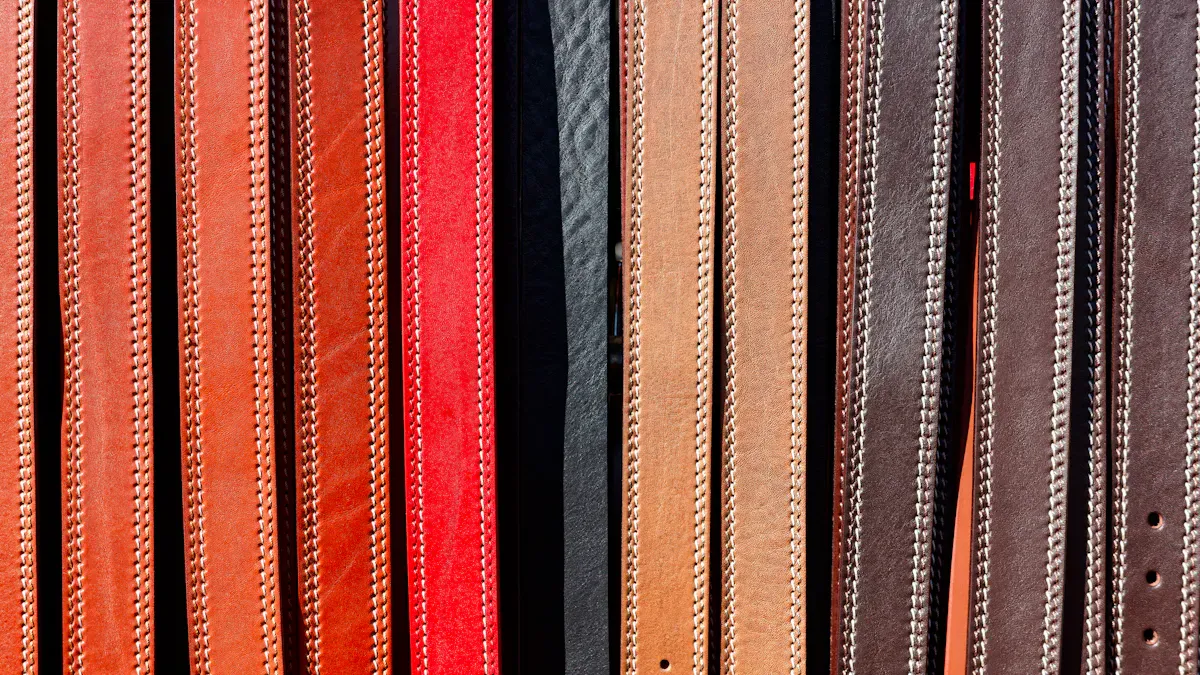
You can tell full grain leather from top grain leather by looking and touching. Full grain leather has natural grain patterns. These patterns are different on every piece. You might see scars, small holes, or color changes. These marks show the leather is real and not changed much. When you touch full grain leather, it feels strong but bends a little. The surface looks dull or just a bit shiny.
Top grain leather feels softer and bends more easily. Its surface looks smooth and even. You will not see many natural marks because workers sand and finish it. The grain patterns are hard to see or almost gone. Top grain leather usually looks shiny and neat.
Here is a table to help you compare:
| Characteristic | Full Grain Leather | Top Grain Leather |
|---|---|---|
| Natural grain patterns | Irregular, non-repeating surface textures | Smoother, more consistent surface |
| Visible natural markings | Scars, pore marks, slight color variations | Less pronounced natural markings |
| Firm yet supple feel | Significant thickness with natural flexibility | Softer, more pliable texture |
| Matte to lightly glossy surface | Avoids heavily processed, plastic-like appearances | Enhanced flexibility with a uniform thickness |
Tip: Rub your fingers on the leather. If you feel bumps and see tiny marks, it is likely full grain leather. If it feels smooth and looks the same all over, it is probably top grain.
Labels & Certifications
You can also look at labels and certifications to know the leather type. Good brands use clear labels. Some items say “Full Grain Leather” on the label. This means you get the best leather. Other items may say “Top Grain Leather,” which means it is still good but more changed.
Certifications help you trust where the leather comes from and how it was made. The Leather Working Group checks if the leather is made in a way that is safe for nature. ISO Standards make sure the leather is good quality everywhere. These certifications help you feel sure when you buy.
| Certification/Label | Purpose | Key Benefit |
|---|---|---|
| Leather Working Group | Environmental and quality audit | Ensures sustainable, high-quality production |
| ISO Standards | Standardized quality benchmarks | Consistency and global compliance |
| Full Grain Leather Label | Marks authenticity of the leather | Provides consumer assurance |
Note: Always check for these labels and certifications when you shop. They help you pick real, high-quality leather.
How to Choose the Right Leather
Furniture
When you pick leather for furniture, you want something that fits your lifestyle and looks good in your home. Full grain leather gives you the most natural look and the best durability. It keeps its texture and gets better with age, but it needs more care. You should clean and condition it every 3 to 6 months. If you spill something, you need to wipe it up right away. Sunlight can fade full grain leather, so keep your furniture out of direct sun. You may want to get it professionally cleaned once a year.
Top grain leather is a smart choice if you want furniture that is easier to care for. It has a smooth surface and resists stains better. You only need to clean and condition it every 6 to 12 months. It handles sunlight better than full grain leather, and you can wait two or three years between professional cleanings. This makes top grain leather a good fit for busy homes or families with kids and pets.
Here is a table to help you compare care needs:
| Factor | Full-Grain | Top-Grain |
|---|---|---|
| Maintenance Frequency | Every 3-6 months | Every 6-12 months |
| Spill Response Time | Immediate | Prompt |
| Sunlight Sensitivity | High | Moderate |
| Professional Cleaning | Annually | Every 2-3 years |
You should also think about how much use your furniture will get. Genuine leather, like full grain and top grain, stands up to daily life. Less than 20% of owners see wear and tear in the first three years. Faux leather wears out much faster. If you want your sofa or chair to last for many years and develop character, full grain leather is the best choice. If you want something that looks neat and is easy to care for, top grain leather works well.
Tip: For high-traffic areas, top grain leather offers a balance of durability and easy care. For a statement piece that ages beautifully, choose full grain leather.
Bags & Accessories
When you shop for bags and accessories, you want to balance style, weight, and how much care you want to give. Full grain leather bags stand out for their strength and unique look. They develop a rich patina over time, making each bag one of a kind. These bags cost more and feel heavier because of the dense fibers. You need to care for them to keep them looking their best.
Top grain leather bags and wallets have a smooth finish and weigh less. They resist stains and are easier to clean. You will find more color choices and a uniform look. These bags cost less than full grain leather and feel lighter on your shoulder. They may not last as long, and they do not develop the same patina, but they are a great value if you want something stylish and easy to use.
Here is a quick comparison:
| Feature | Full Grain Leather | Top Grain Leather |
|---|---|---|
| Benefits | Exceptional durability, develops patina, unique | Smoother finish, stain-resistant, less expensive |
| Drawbacks | Higher cost, needs more care, heavier | Less durable, less patina, more uniform look |
| Weight | 10% heavier, strong | Lighter, more flexible |
| Flexibility | Holds shape, less stretch | More prone to stretching |
- Full grain leather is best if you want a bag that lasts for years and tells a story.
- Top grain leather is best if you want something light, easy to clean, and affordable.
Note: Top grain leather bags are perfect for daily use and travel. Full grain leather bags work well for special occasions or if you want a bag that will last a lifetime.
Shoes & Apparel
Choosing leather for shoes and clothing means thinking about comfort, breathability, and how long you want your items to last. Full grain leather shoes and jackets breathe well and feel comfortable. They let moisture escape, so your feet and body stay dry. Full grain leather is strong and can last 10 to 20 years with good care. It resists wear and keeps its shape.
Top grain leather shoes and jackets feel soft and look smooth. They are easier to break in and come in many colors. The finish on top grain leather makes it less breathable, so it may feel warmer in hot weather. These items usually last 5 to 10 years, which is still a long time for most people.
Here is a table to show how long each type lasts:
| Leather Type | Durability and Longevity |
|---|---|
| Full Grain | 10-20 years or more with proper care |
| Top Grain | 5-10 years, more prone to wear over time |
- For shoes you wear every day, full grain leather gives you the best mix of comfort and long life.
- For fashion items or shoes you wear sometimes, top grain leather gives you style and a soft feel.
Tip: If you want the most breathable and comfortable shoes, look for open-pored or nubuck leather. For classic style and durability, full grain leather is the top pick.
Budget Considerations
Your budget plays a big role in your choice. Full grain leather costs more because it uses the best hides and lasts the longest. You might pay $200 to $500 or more for a full grain leather bag or piece of furniture. Top grain leather costs 20-30% less, with prices from $100 to $300 for similar items. This makes top grain leather a smart choice if you want quality without the highest price.
| Leather Type | Price Range | Category Examples |
|---|---|---|
| Full Grain Leather | $200 to $500+ | Bags, Furniture |
| Top Grain Leather | $100 to $300 | Bags, Jackets, Furniture |
You should think about how long you want your item to last. Full grain leather costs more at first, but it can save you money over time because you will not need to replace it as often. Top grain leather gives you a high-end look for less money. It is a good choice if you want to balance quality and cost.
- Full grain leather is best for people who want to invest in something that will last and age well.
- Top grain leather is best for people who want good quality at a lower price.
Note: When you compare top grain leather vs full grain leather, think about your needs, how much care you want to give, and your budget. Both types offer great value in different ways.
Top Grain Leather vs Full Grain Leather: Final Thoughts
When you choose between top grain leather and full grain leather, you make a decision that affects how your item looks, feels, and lasts. Each type offers unique benefits. Full grain leather stands out for its strength and long life. You get a material that resists wear and tear, even with heavy use. This makes it a smart choice for items like bags, shoes, and furniture that need to last for years.
Top grain leather gives you a smooth and polished look. You see fewer marks and a more uniform surface. This style fits well in modern homes or with fashion-forward accessories. You also find it easier to clean and maintain.
Here is a quick look at how each leather type appears:
| Leather Type | Appearance Description |
|---|---|
| Full Grain | More rugged, natural look with visible marks and imperfections. |
| Top Grain | More refined, with a smooth and uniform appearance. |
You should think about your lifestyle and budget before you decide. Full grain leather costs more, but it gives you unmatched durability. Top grain leather offers a balance between price and style. While full grain leather is often seen as higher quality, it may not fit every home or wallet. You might prefer top grain leather if you want something that looks neat and is easy to care for.
In the end, the best choice in the top grain leather vs full grain leather debate depends on what matters most to you. Consider how you will use the item, how much care you want to give, and how much you want to spend. Both types can serve you well if you match them to your needs.
You have learned how top grain leather and full grain leather are different. Look at this table to help you pick which one is best:
| Characteristic | Full Grain Leather | Top Grain Leather |
|---|---|---|
| Durability | Very strong, gets better with age | Strong, simple to clean |
| Appearance | Natural look, special patina | Smooth, shiny surface |
| Price | Costs more | Less expensive |
Full grain leather is great if you want something that lasts and has a lot of character. Top grain leather is good if you like a smooth look and want something easy to take care of. Think about what you need, then choose the leather that fits you best so you can enjoy it for a long time.
FAQ
What is the main difference between top grain and full grain leather?
Full grain leather keeps the natural surface and shows unique marks. Top grain leather gets sanded for a smooth, even look. You get more durability with full grain, while top grain offers easier care and a polished finish.
Does full grain leather scratch easily?
Yes, full grain leather can show scratches because it keeps the natural grain. You can often rub out light scratches with your finger or a soft cloth. Over time, these marks add to the leather’s character.
Is top grain leather real leather?
Yes, top grain leather is real leather. It comes from the upper layer of the hide. Makers sand and finish it to remove flaws. You get a strong, flexible material that looks smooth and feels soft.
How do I care for my leather item?
Clean your leather with a soft cloth. Use a leather conditioner every few months. Keep your item away from direct sunlight and heat. Store it in a cool, dry place. Avoid harsh chemicals to protect the leather’s surface.
Which leather is better for hot climates?
Full grain leather breathes better than top grain leather. You stay cooler and more comfortable in hot weather. Top grain leather has a finish that reduces airflow, so it may feel warmer.